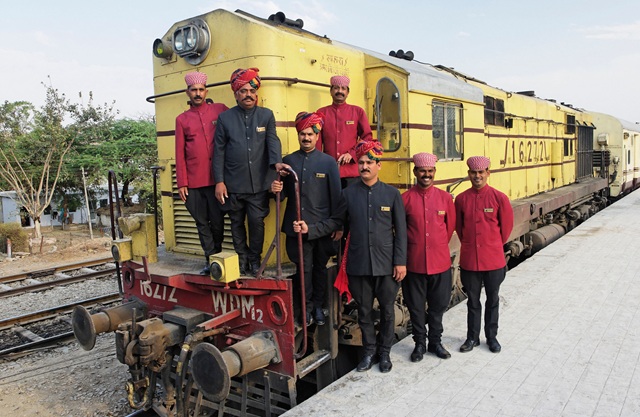
The Indian government has banned the bandhgala, a jacket introduced during British rule for senior railway staff, in a move that reflects Prime Minister Narendra Modi’s ongoing campaign to eliminate colonial influences from Indian society, Times UK reported. Railways Minister Ashwini Vaishnaw described the ban as part of a wider effort to “get rid of all colonial mindsets” in both working and dressing styles.
The bandhgala, also known as a “prince suit” due to its origin in the princely state of Jodhpur, Rajasthan, features a high Chinese-style collar and was originally adapted from Western formal wear by the British. Today, it is widely regarded as an Indian garment, frequently worn at weddings and formal occasions by royalty, the elite, and middle-class citizens alike.
The ban follows other initiatives by the Modi government to promote pre-colonial Indian traditions and foster Hindu pride. Last year, Home Minister Amit Shah suggested that English speakers in India might one day feel “ashamed” to use the language, describing its continued prominence as evidence of a “slavish mentality.” Modi has consistently argued that erasing colonial remnants is key to building a developed India grounded in local culture, unity, and civic duty.
The reaction among Indians has been mixed, with some expressing bemusement. One X user commented, “These fools in the government … the bandhgala is our own design.” The controversy echoes earlier government moves to Indianize the armed forces’ British-era customs, including uniforms, crests, military band instruments, and regiment names.
Similar efforts have been made in education and law. In 2024, black gowns and mortarboards were banned at some graduation ceremonies in state-run medical colleges in favor of attire based on local traditions. Debates have also continued over replacing colonial-era black gowns worn by lawyers, although no nationwide policy has been implemented.
Times UK noted that the ban on the bandhgala is the latest example of Modi’s long-term strategy to redefine public symbols of authority and culture in India, blending historical pride with contemporary nationalist messaging.