Three weeks after a devastating earthquake struck central Myanmar, the worst-affected areas remain without basic services such as clean water, healthcare, stable electricity, and safe shelter, according to humanitarian organizations. Ongoing aftershocks, limited resources, and a strained emergency response continue to hamper recovery efforts.
In its latest situation report released Friday, the UN Office for the Coordination of Humanitarian Affairs (OCHA) said that frequent aftershocks are disrupting aid efforts and intensifying fear and uncertainty among survivors. The powerful 7.7 magnitude quake that hit on March 28 caused significant destruction across six regions and states, including Mandalay and the capital, Naypyidaw.
“Three weeks after catastrophic twin earthquakes hit Myanmar on 28 March, the worst-affected communities are still without safe shelter, clean water and sanitation, stable electricity, healthcare and essential services,” OCHA reported.
The disaster has worsened an already dire humanitarian crisis in Myanmar, where more than three million people have been internally displaced due to ongoing civil conflict, and nearly 20 million are in need of humanitarian assistance, according to the UN.
The death toll from the quake has risen to 3,726, with over 5,100 injured and 129 still missing, state-run newspaper Myanma Alinn reported on Saturday. The report also said international teams from 25 countries had joined local rescuers, saving 653 people and recovering 753 bodies from under the rubble.
In addition to the human toll, the earthquake caused massive infrastructure damage. According to government figures, over 65,000 buildings, 2,500 schools, 4,300 monastic quarters, 6,000 pagodas and temples, 350 hospitals and clinics, and hundreds of bridges, dams, and highway sections were damaged.
Despite international support, local emergency responders continue to face enormous challenges. The Myanmar Fire Services Department said on Friday that teams were still removing debris and returning valuables found in the rubble to survivors. Two more bodies were recovered from collapsed buildings in Mandalay, the department said.
An official from the Myanmar Rescue Federation in Mandalay said that priorities have shifted to clearing debris and recovering remaining bodies, though the number of daily recoveries has dropped to just one or two. The official requested anonymity due to fear of arrest for speaking without authorization.
Another emergency worker in Mandalay confirmed that most international rescue teams had already left the country, leaving local responders to continue the work with fewer resources.
The United Nations Development Program earlier this month estimated that the earthquake generated about 2.5 million tons of debris—roughly 125,000 truckloads—based on satellite image analysis. UN-Habitat, in partnership with the Myanmar Engineering Society, is currently assessing the structural damage across affected regions.
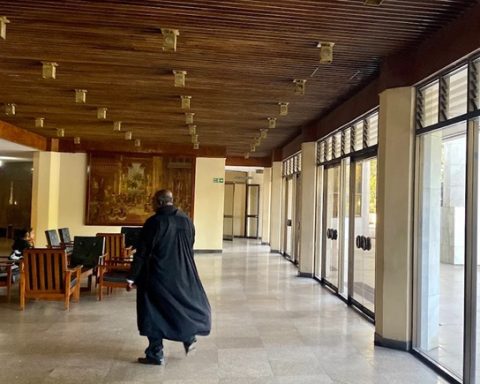
In the capital Naypyidaw, most official rescue efforts have ceased, and many government buildings damaged in the quake remain unrestored. Residents, speaking on condition of anonymity, said much of the debris in residential areas has been cleared by civilians without official assistance.
On Friday, Senior General Min Aung Hlaing, head of the military government, told cabinet members that the urban layout of Naypyidaw would be redesigned. Built in 2006 as a purpose-built capital, Naypyidaw is known for its oversized government complexes and sprawling roadways.