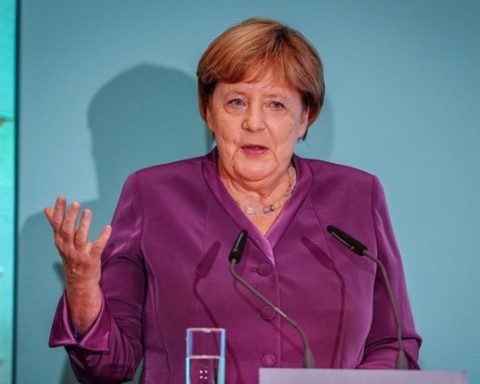
The world’s top maritime authority has issued a stark warning over the worsening crisis in the Strait of Hormuz, declaring that no safe passage currently exists for vessels navigating the vital waterway. Arsenio Dominguez, Secretary-General of the International Maritime Organization, urged urgent international action as thousands of seafarers remain stranded in increasingly dangerous conditions.
Speaking at an emergency briefing with Member States and industry representatives, Dominguez confirmed that multiple vessels have been seized or detained in recent days. He warned of escalating threats, including the possible presence of sea mines and the risk of further attacks, underscoring the severity of the situation. His appeal was direct, calling for the immediate release of detained crews and stressing that seafarers are not responsible for the conflict engulfing the region.
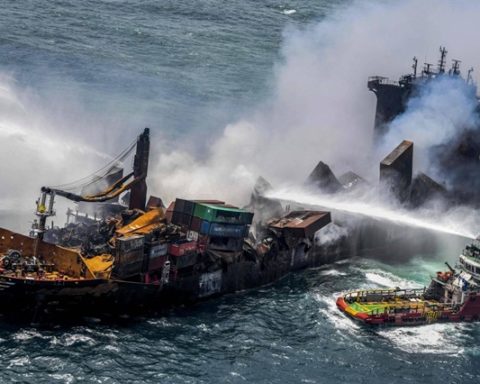
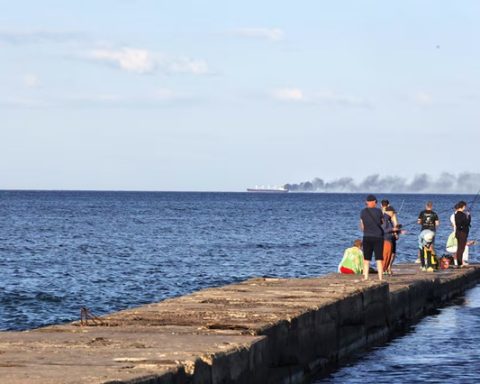
According to verified data from the IMO, at least 29 attacks on ships have occurred in the Persian Gulf and surrounding waters since the crisis began, resulting in the deaths of at least 10 seafarers and significant damage to vessels. Around 20,000 crew members aboard approximately 1,600 ships remain effectively trapped in the Gulf, unable to safely exit through the Strait of Hormuz.
The humanitarian situation onboard these vessels is rapidly deteriorating. With the conflict now entering its eighth week, supplies of food, water, and fuel are beginning to run low. Dominguez acknowledged the assistance provided by regional countries but warned that more coordinated international support is urgently needed. He also highlighted the mental and emotional toll on crews, recounting conversations with seafarers who described feeling abandoned and overlooked despite the risks they face daily.
Efforts are underway to prepare a large-scale maritime evacuation, with the IMO working alongside governments and industry partners to identify and prioritize vessels based on urgency. However, any evacuation would require agreement from all parties involved in the conflict to halt attacks on maritime assets during the operation, a condition that remains uncertain.
Dominguez emphasized that the internationally recognized Traffic Separation Scheme, established in 1968, would serve as the primary evacuation corridor if security guarantees can be secured. Coordination with regional actors, including Iran and Oman, is ongoing, while countries such as France and the United Kingdom have offered support for potential evacuation efforts.
The crisis is expected to be raised at the United Nations Security Council in an upcoming session, as concerns mount over the safety of global shipping routes and the welfare of thousands of seafarers caught in one of the world’s most strategically critical chokepoints.