More than 100 suspected chemical weapons sites remain scattered across Syria following the collapse of President Bashar al-Assad’s regime, according to an explosive report by The New York Times. The estimate—provided by the Organization for the Prohibition of Chemical Weapons (OPCW)—marks the first official tally of its kind and far exceeds what Assad’s government had previously admitted.
The suspected sites include research laboratories, manufacturing facilities, and storage depots—some in or near densely populated areas—posing a serious threat to both civilian safety and regional stability. The chemicals once housed in these locations are believed to include deadly agents like sarin, chlorine, and mustard gas, which Assad’s forces were accused of deploying multiple times during Syria’s brutal decade-long civil war.
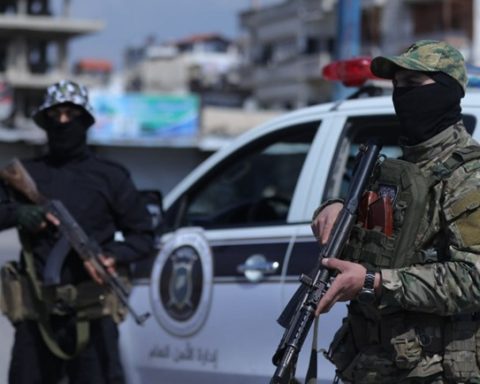
The current caretaker administration, led by Islamist faction Hayat Tahrir al-Sham (HTS) and its leader Abu Mohammad al-Julani, now faces the enormous challenge of securing and dismantling these sites. While HTS has officially renounced its former links to al-Qaida, it remains designated a terrorist organization by the United States—raising complications for international cooperation and aid.
“There are many locations that we don’t know about because the old regime was lying to the OPCW,” said Raed al-Saleh, head of the Syria Civil Defense—commonly known as the White Helmets. The group, which has played a leading role in civilian rescue and recovery operations, claims to be working with the new Syrian leadership to locate and neutralize chemical threats.
Nidal Shikhani, who directs the Chemical Violations Documentation Center of Syria, told The New York Times his organization has identified dozens of previously unknown sites through interviews with ex-regime scientists now living in exile across Europe. Shikhani emphasized the importance of these discoveries not just for safety, but for international efforts to investigate and prosecute past war crimes.
“There is still a chance to gather chemical and forensic evidence that could prove critical in holding former Assad officials accountable,” he said.
However, hopes for accountability are complicated by recent events. In the months following Assad’s fall, Israel carried out targeted airstrikes on several former regime facilities believed to house chemical stockpiles. While intended to neutralize potential threats, some experts worry the strikes may have also destroyed crucial evidence and led to environmental contamination.
Natasha Hall, a senior fellow at the Center for Strategic and International Studies, cautioned that “the Israeli attacks that happened right after the fall of Assad are probably likely to not have put a dent in some of this, and potentially also obscured efforts toward accountability.”
Syria’s chemical weapons program began in the 1970s, involving hundreds of scientists—many trained in Europe. The regime’s most infamous attack was the 2013 sarin gas assault on Ghouta, which killed more than a thousand people, including many children. Despite years of international pressure, Assad continued to deny the extent of his government’s chemical arsenal.
Syria’s new foreign minister told OPCW officials in March that the current government would fully cooperate with weapons inspectors and destroy all remnants of Assad’s chemical program. But given the legacy of deception, observers remain wary.
“The world has heard similar promises before,” noted one OPCW official, speaking on condition of anonymity. “This time, we need actions—not words.”
As the OPCW prepares to enter Syria, its mission faces both logistical and political hurdles. But with over 100 suspected chemical weapons sites still unaccounted for, the urgency to secure and investigate them has never been greater.