Paradromics, a Texas-based neurotechnology developer, has received FDA approval to begin the first long-term clinical trial of its brain–computer interface (BCI), targeting individuals who have lost the ability to speak due to neurological conditions. The trial, set to begin early next year, will involve implanting the device in two volunteers to test both its safety and its ability to restore real-time communication. The announcement was reported by Nature.
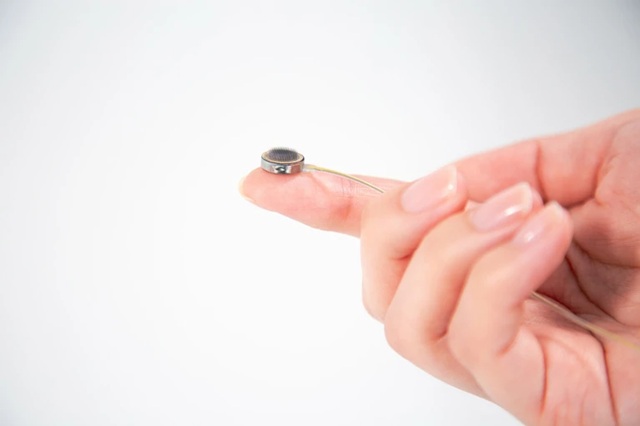
The device, roughly 20 x 20 millimeters in size, uses a grid of platinum-iridium electrodes that penetrate the cerebral cortex to record neural activity. Initially, the electrodes will be placed in the motor cortex areas controlling the lips, tongue, and larynx. Patterns of neural activity generated when participants imagine speaking will be converted into text on a screen or synthetic speech using recordings of the participant’s own voice.
Matt Angle, Paradromics’ CEO, emphasized the significance of communication in improving quality of life for patients: “Arguably, the greatest quality of life change you can deliver right now with BCI is communication.”
The trial will also explore whether imagined hand movements can control a computer cursor. Depending on initial outcomes, the trial could expand to ten volunteers, each potentially receiving two cortical implants to access additional brain regions.
Paradromics joins a growing field of BCI developers, including Neuralink, founded by Elon Musk, and New York-based Synchron, whose Stentrode device records neural activity from within a blood vessel. While Neuralink focuses on high-bandwidth signals from single neurons, Paradromics’ system aims for a balance of speed, stability, and safety.
Preclinical data in sheep suggests the device can transfer information 20 times faster than any other BCI and maintain signal quality for at least three years. “If we were to extrapolate, the device should last in excess of ten years,” Angle said.
Mariska Vansteensel, a BCI researcher at the University Medical Center Utrecht, told Nature that the trial represents an important step for clinical applications: “For the field to move forward towards clinical applications, a fully implantable system is the only way to go.”