


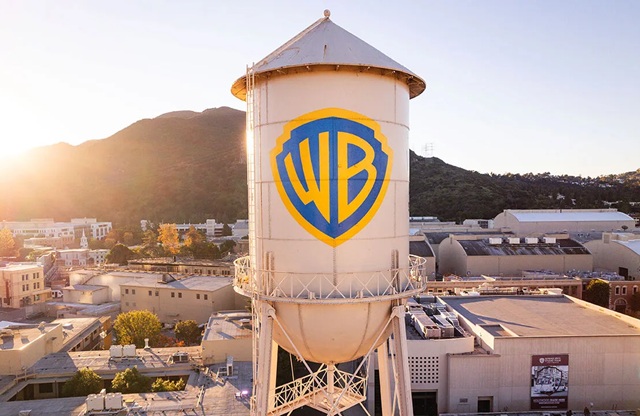
Paramount has suspended its proposed acquisition of Warner for nearly a year while legal challenges to the deal continue in the United States. The decision follows a temporary court order halting the merger amid antitrust concerns, despite the European Union having already granted conditional approval for the transaction.
Paramount has decided to pause its proposed $111 billion merger with Warner for almost a year, delaying one of the largest corporate transactions in Hollywood as legal proceedings over the deal continue in the United States. The entertainment company said it would wait until judicial decisions are reached before deciding whether to resume the merger process, potentially in 2027.
The decision marks a significant development in a takeover that would create one of the world’s largest media and entertainment companies. Paramount’s move follows a temporary court order issued earlier this week by Judge Araceli Martínez-Olguín of Oakland, California, who directed the companies to halt the merger process for two weeks while the court examined the status of the agreement and considered whether it should proceed or be blocked altogether.
According to legal documents obtained by The New York Times, Paramount has now opted to freeze the merger voluntarily while the courts deliberate. The company has chosen to suspend the process even though the European Union has already approved the transaction, subject to a series of conditions. At the same time, the merger continues to face legal opposition in the United States, where 12 Democratic-led states have filed a lawsuit seeking to prevent it from moving forward.
Judge Martínez-Olguín stated earlier this week that the proposed transaction appeared likely to create an excessively large market concentration. In her written ruling, she said the merger “probably violates antitrust laws”, citing concerns over its potential impact on competition.
The legal challenge by the states was initiated on 13 July by California Attorney General Rob Bonta and filed in San Francisco. Alongside California, the lawsuit is backed by New York, Arizona, Colorado, Connecticut, Massachusetts, Minnesota, Nevada, New Jersey, New Mexico, Oregon and Washington. California, where both Paramount and Warner are headquartered, argues that it would be particularly affected by the merger.
In the complaint, Bonta described the proposed transaction as “the largest in Hollywood history” and argued that it would eliminate competition between Paramount and Warner Bros. He said the merger would cause “substantial harm to cinemas, basic cable television distributors and, ultimately, the public across the country”.
While the legal battle continues in the United States, European regulators have already cleared the merger under specific conditions. The European Union approved the transaction earlier this week but required Paramount to end its partnership with United International Pictures during the coming year. The company must also refrain from cooperating with Universal in the distribution of films within the European Economic Area for the next 10 years. The restriction applies across the 27 European Union member states as well as Norway, Liechtenstein and Iceland.
The proposed acquisition of Warner has attracted considerable attention across the global entertainment industry. Paramount’s successful $111 billion offer surpassed a competing bid of $83 billion from Netflix, securing the support of Warner’s shareholders. However, the completion of the transaction now depends on the outcome of ongoing legal proceedings in the United States.
Warner owns HBO and is home to recent film successes including Barbie, Dune and Wuthering Heights, alongside classic titles such as Casablanca and Rebel Without a Cause. Although shareholders have approved the acquisition, they will now have to wait for the courts to determine whether the merger can proceed.
The delay has been welcomed by parts of the entertainment industry, which has been grappling with declining production activity in Los Angeles and a shortage of work. For now, Paramount’s decision to suspend the merger provides additional time for judicial scrutiny of what would be one of the most significant consolidations in the history of the US film and television industry.












