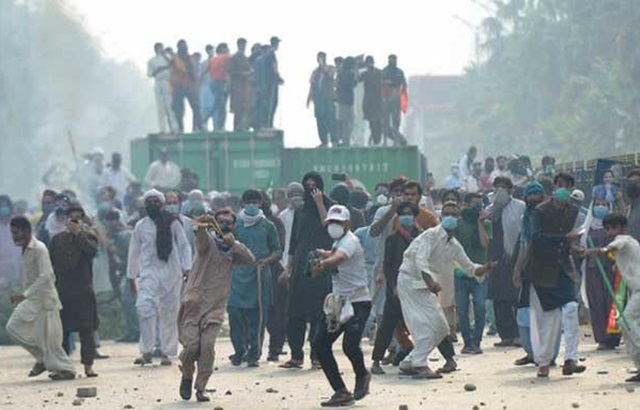
Pakistan’s political landscape has become a battleground of chaos in recent years, with the relentless march of street protests drowning out the quiet, yet essential, hum of institutional dialogue and democratic processes. On November 24, 2024, Pakistan Tehreek-e-Insaf (PTI) took to the streets once again, stoking the flames of discontent and turning the capital into a volatile powder keg. While the protests were thankfully called off before the situation could escalate further, the day’s events served as a powerful reminder of the perilous path that confrontational politics can carve through the fabric of a nation.
In the quest to uphold democratic freedoms, we must never lose sight of the cost of unresolved political grievances—grievances that, when left unchecked, have the potential to wreak havoc on a country already teetering on the brink of economic instability, social division, and security fragility. The violence and disorder that unfolded on that day were not just a fleeting spectacle—they were a mirror reflecting the deep, underlying wounds of a nation in turmoil.
The federal capital, Islamabad, came to a near standstill, with tens of thousands of security personnel on the streets and businesses shuttered. The protests disrupted daily life and led to a sharp drop in the Pakistan Stock Exchange (PSX), which experienced its worst-ever single-day decline, falling by 3,505.62 points. In a country already facing significant financial difficulties, the resulting turmoil sent a clear signal to both domestic and international markets: instability in Pakistan is a real and present danger. Further highlighting the severe economic repercussions, Finance Minister Muhammad Aurangzeb reported that the country is losing an alarming Rs. 190 billion per day due to the disruptions caused by road closures and shutdowns associated with opposition-led protests.
The primary concern raised by PTI’s continued reliance on street protests is the growing trend of confrontational politics that undermines the very democratic principles it claims to defend. At a time when the nation desperately needs political maturity and stability, PTI’s tactics have increasingly veered toward agitation and divisiveness rather than dialogue and reconciliation. Rather than working within the framework of democratic institutions to address its grievances, PTI has opted for public demonstrations and inflammatory rhetoric. This approach not only fuels political polarization but also deepens the divides between Pakistan’s ruling and opposition parties, jeopardizing the country’s long-term stability.
In a healthy democracy, political differences are resolved through dialogue, negotiation, and compromise. However, PTI’s actions reflect a troubling disregard for these democratic norms. Instead of engaging with the opposition to find common ground, the party has persistently portrayed the opposition as corrupt and illegitimate, thereby creating an environment where meaningful dialogue becomes impossible. The refusal to negotiate, coupled with a demand for the release of PTI’s leader Imran Khan, and the restoration of what it claims to be a stolen mandate, suggests an unwillingness to embrace the give-and-take that is essential for the functioning of any democratic system. By rejecting parliamentary debate and opting for street protests, PTI is exacerbating divisions rather than addressing the root causes of its grievances.
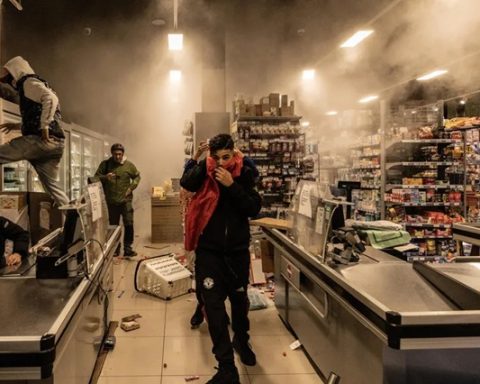
The reliance on street agitation has significant consequences beyond political discourse. The violence that ensued during the November 27 protests, resulting in the deaths of four Rangers and numerous injuries, transformed the capital city into a war zone. The heavy use of teargas by the government to disperse the crowds further illustrates the escalating violence, which only fuels further unrest. In such an environment, the rule of law is compromised, public trust is eroded, and the democratic fabric of the country is weakened. Rather than strengthening democracy, street protests disrupt governance and foster an atmosphere of fear and instability.
One of the most concerning aspects of PTI’s strategy is its increasingly violent nature, which is exacerbated by the involvement of Afghan nationals in some of the protests. The presence of foreign nationals in political unrest not only complicates an already delicate situation but also raises additional security concerns. Regions like Khyber Pakhtunkhwa (K-P), where long-standing conflict has left deep scars, could become further destabilized. Political unrest fueled by external actors adds another layer of vulnerability to an already fragile nation, making it even harder to resolve internal conflicts.
Moreover, PTI’s leadership is not exempt from scrutiny. Bushra Bibi, Imran Khan’s wife, recently made a video statement accusing Saudi Arabia of involvement in Imran Khan’s removal from power. This unsubstantiated claim has introduced a new layer of complexity to the situation, straining diplomatic relations and drawing attention away from Pakistan’s internal issues. PTI has long criticized others for involving their families in politics, yet it now finds itself embroiled in similar controversies, undermining its credibility and distracting from the core issues that need to be addressed. The party’s use of conspiracy theories rather than concrete evidence only deepens political polarization and fosters an environment of distrust among the public.
The international ramifications of PTI’s protest strategy are equally concerning. In recent weeks, the party’s actions have negatively impacted Pakistan’s global standing. The disruption of a visit by a Belarusian delegation, for example, highlighted the damaging effects of political instability on diplomatic relations. At a time when Pakistan is in desperate need of foreign investment and international partnerships, such protests send a message of instability and unpredictability, which could deter potential investors and tarnish the country’s image abroad. In an era of interconnected global economies, maintaining stable diplomatic relations and fostering international trust is crucial to Pakistan’s future prosperity.
In a functioning democracy, a responsible opposition is essential. It holds the government accountable and provides constructive alternatives. However, PTI’s current strategy of rejecting dialogue and opting for agitation undermines the very institutions it seeks to reform. Political maturity requires recognizing that differences can be resolved through debate and negotiation, not through street violence and inflammatory rhetoric. PTI must shift its focus from confrontation to cooperation, moving beyond personal grievances and embracing a more inclusive, collaborative approach to governance.
Equally important is the role of the government in addressing the political impasse. This does not mean yielding to unrealistic demands but engaging in discussions that acknowledge the concerns of all political parties and work toward inclusive, democratic solutions.
PTI also needs to refocus its attention on the broader institutional reforms it claims to support, rather than reducing the political discourse to Imran Khan’s personal legal battles. True democratic reform goes beyond protests and slogans; it involves strengthening the very institutions that underpin democratic governance. PTI must recognize that its actions either contribute to or undermine the integrity of these institutions. By resorting to street protests instead of engaging in meaningful dialogue, PTI weakens the foundations of parliamentary democracy and creates a vacuum that could be exploited by undemocratic forces, both internal and external.
Pakistan is at a critical juncture. The country faces a range of challenges, including economic instability, security threats, and social inequality. In such times, political unity and responsible leadership are essential. PTI has the potential to play a constructive role in addressing these challenges, but only if it moves away from confrontation and embraces a more democratic, collaborative approach. Pakistan’s future depends not on who can shout the loudest in the streets, but on who can build consensus and foster meaningful change within the halls of parliament.
It is time for Pakistan’s political leadership to prioritize dialogue and stability over street politics. Both the government and opposition must recognize that the future of Pakistan’s democracy lies in cooperative governance, institutional reforms, and the rule of law. Only through constructive debate and compromise can the country overcome its political and economic challenges and secure a brighter future for its citizens.