A recent historical discovery has reignited calls to test the remains of the Princes in the Tower, potentially resolving a centuries-old mystery surrounding their fate. Professor Tim Thornton’s find of a will linking the young royals to their alleged murderer has bolstered arguments for modern DNA analysis.
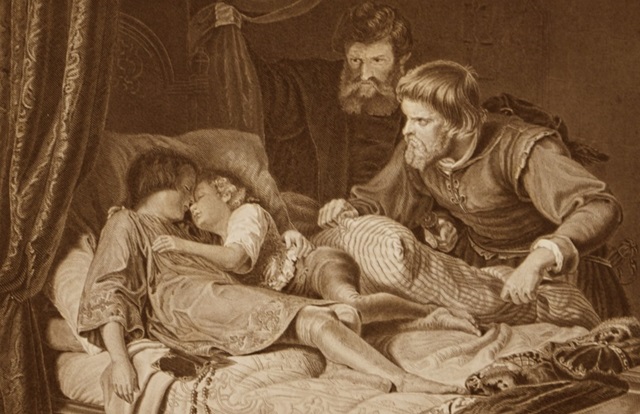
Edward V, aged 12, and his brother Richard of Shrewsbury, Duke of York, aged 9, disappeared in 1483, with prevailing theories blaming their uncle, Richard III. The boys’ remains, discovered in 1674 during remodeling at the Tower of London, were interred in Westminster Abbey under their names. However, no definitive evidence confirms their identities.
Thornton’s discovery involves a chain, possibly Edward V’s chain of office, passed into the possession of Sir James Tyrell’s relatives. Tyrell, a trusted knight of Richard III, has long been accused of murdering the princes on his master’s orders. This link strengthens the case for verifying the bones’ authenticity through DNA testing, Thornton argues.
“This is a mystery that may never be solved outright, but the balance of probabilities is shifting towards some clearer conclusions to which the testing would add,” Thornton told The Times.
Renewed Debate Over Testing
Calls for DNA analysis have faced resistance in the past. In the 1990s, requests to test the bones were declined by Westminster Abbey, supported by the late Queen Elizabeth II and her government. Proponents, however, believe advances in science and public interest warrant re-evaluation, particularly as King Charles III is reportedly open to the idea.
Critics argue against disturbing the remains, citing the children’s traumatic deaths and concerns over historical respect. Tracy Borman, joint chief curator of Historic Palaces, expressed mixed feelings at the Chalke History Festival. “I think probably that they are best left to rest in peace. But I can’t help being intrigued,” she said.
The decision ultimately lies with Westminster Abbey, which recently stated its position is “unclear” and dependent on approval from both the King and the Dean of Westminster.
What DNA Testing Could Reveal
If testing confirms the remains belong to the princes, critical questions about their deaths would still remain unanswered. While supporters like Thornton hope for clarity, groups like the Richard III Society caution against drawing premature conclusions, noting gaps in the evidence linking Tyrell to the crime.