


Nigel Farage has said women and children would be deported under Reform UK’s plans to remove up to 600,000 illegal migrants within five years if his party wins power, according to The Times UK.
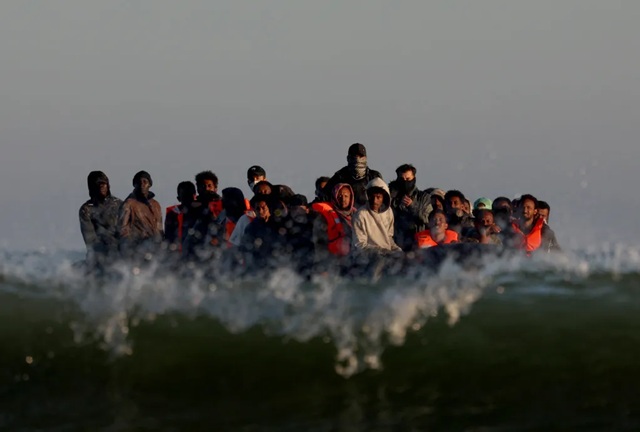
Unveiling what he called “Operation Restoring Justice” at Oxford London Airport, Farage pledged to introduce emergency powers to halt small boat crossings “within days” of taking office. The Reform leader outlined a phased approach: initial removals would focus on men and women, with unaccompanied children facing deportation later in the five-year plan.
Farage also raised the prospect of removing children born in Britain to parents who entered the country illegally, though he admitted such cases would be “complex.” “How far back you go with this is the difficulty,” he said, referencing the Windrush scandal as a cautionary example.
Reform UK’s deportation target — up to 650,000 according to senior party figure Zia Yusuf — would mark a tenfold increase on current government removals, which the Home Office reported at just over 9,000 in the past year. The plan, estimated at £10 billion over five years, would involve prefabricated detention sites, daily deportation flights, and the use of RAF resources.
Farage conceded details such as which air bases could be used had not been finalised, though he insisted the public’s priority was “avoiding having illegal immigrants on the street.” He said some exceptions would apply, such as for Afghan interpreters who aided British forces.
Reform has also vowed to withdraw the UK from the European Convention on Human Rights and replace the Human Rights Act with a British Bill of Rights to prevent legal challenges. Farage even suggested deportation deals could be struck with regimes such as the Taliban or Iran’s Revolutionary Guard, despite risks of persecution for returnees.
The announcement comes as Reform seeks to convert strong polling into concrete policy proposals. Farage claimed public anger over migration now poses “a genuine threat to public order,” saying communities had “just had enough” after what he described as an “invasion” of small boat arrivals.









