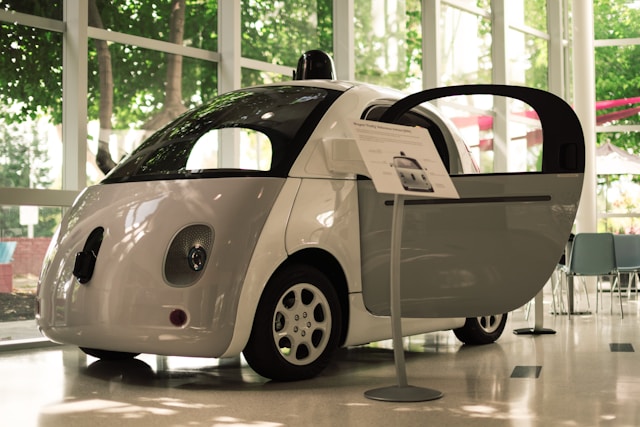
Uber and Lyft are set to test self-driving taxis in the United Kingdom in 2026 through a partnership with Chinese technology group Baidu, marking another step in the rapid global push to commercialise robotaxi services. The move places the two U.S. ride-hailing giants among a growing list of companies betting that autonomous vehicles will reshape urban transport by improving safety and cutting operating costs.
Under the agreement announced in December, Uber and Lyft will trial Baidu’s Apollo Go RT6 autonomous vehicles on UK roads, subject to regulatory approval. Robotaxis are widely seen as a way to reduce reliance on human drivers while optimising routes using real-time data, potentially lowering fares and improving efficiency. Governments and city authorities around the world have increasingly positioned themselves as testing grounds, hoping to attract investment and innovation in autonomous mobility.
Asia has emerged as a major hub for robotaxi development. In Singapore, Chinese autonomous driving firm Momenta has partnered with ride-hailing company Grab in a deal that included an undisclosed investment, while WeRide and Grab received regulatory approval to expand autonomous shuttle trials in the city-state’s Punggol district. WeRide has also begun fully driverless commercial operations in Guangzhou, running 24-hour services in designated districts, and is testing vehicles in Singapore with plans to move onto public roads pending approvals.
China remains at the forefront of large-scale deployments. Baidu’s Apollo Go service operates fully driverless robotaxis in cities including Beijing, Wuhan, Chongqing and Shenzhen, following regulatory approvals dating back to 2022. Pony.ai has secured multiple permits across China, launching paid robotaxi services in Guangzhou, expanding driverless ride-hailing in Shanghai, and testing new-generation vehicles in Beijing’s autonomous driving zones. The company is also preparing to roll out robotaxi operations in Hong Kong, initially focused on airport-related routes.
The Middle East has become another focal point for autonomous transport. In Abu Dhabi, Mercedes-Benz has teamed up with Momenta and local taxi operator Lumo to launch a luxury robotaxi service based on the Mercedes S-Class, with operations planned from 2026. WeRide and Uber have already launched Level 4 fully driverless robotaxi services in the emirate, offering public rides under a permit-backed rollout, while Baidu’s Apollo Go is testing vehicles in partnership with local mobility firm Autogo.
Europe is also moving closer to regular autonomous ride-hailing. In Switzerland, WeRide has secured a driverless robotaxi permit for operations near Zurich, with fully driverless passenger services expected in the first half of 2026. Baidu has partnered with Swiss Post’s PostBus to launch the AmiGo robotaxi service in eastern Switzerland, targeting full commercial operations by early 2027. In the UK, Waymo, Alphabet’s self-driving unit, has announced plans to launch an autonomous ride-hailing service in London in 2026, while Uber has separately partnered with British self-driving firm Wayve to begin advanced trials.
In the United States, several services are already available to the public. Amazon-owned Zoox has begun offering free robotaxi rides to selected users in parts of San Francisco and operates autonomous vehicles around the Las Vegas Strip while awaiting approval to charge fares. Waymo runs fully driverless services in Phoenix, San Francisco and Los Angeles, covering large urban areas with no human drivers on board. Tesla has also entered the field, launching a limited paid robotaxi rollout in Austin using Model Y vehicles under restricted conditions.
Japan has joined the race as well, with Waymo partnering with taxi operator Nihon Kotsu to test autonomous vehicles in Tokyo, initially with human drivers behind the wheel. Across regions, regulators are gradually expanding testing permissions, moving from pilot programs to commercial approvals as safety data accumulates.
The scale and speed of these deployments highlight how robotaxis are shifting from experimental projects to competitive commercial services. While regulatory hurdles and public acceptance remain key challenges, the growing number of trials suggests autonomous ride-hailing is edging closer to becoming a routine part of daily urban transport worldwide.