Residents of southern Lebanon are facing escalating insecurity and economic disruption as ongoing conflict involving Israel and Hezbollah continues to devastate border communities, with Christian populations among those most directly affected by the fighting and displacement.
In the border town of Rmeish, near the frontier with Israel, residents describe a life defined by uncertainty, disrupted livelihoods, and repeated cycles of displacement. One resident, Rita Elias, said she chose to remain in her home during the latest escalation to protect her property, family trucking business, and tobacco farm, after previously fleeing to Beirut during earlier hostilities. She said leaving again risked losing everything they had built.
The conflict has intensified following cross-border attacks involving Hezbollah and retaliatory strikes by Israel, with hostilities linked to wider regional tensions involving Iran. Israeli military operations have expanded into southern Lebanon and beyond, with evacuation orders issued in several areas as fighting spread across the border region.
The human toll has been severe. According to reporting cited in the source material, hundreds of Lebanese civilians have been killed in strikes following a prior ceasefire effort, while thousands more have been displaced. Infrastructure damage has been extensive, with dozens of towns and villages affected and key services disrupted. Israeli casualties have also been reported during the same period, reflecting sustained cross-border engagements.
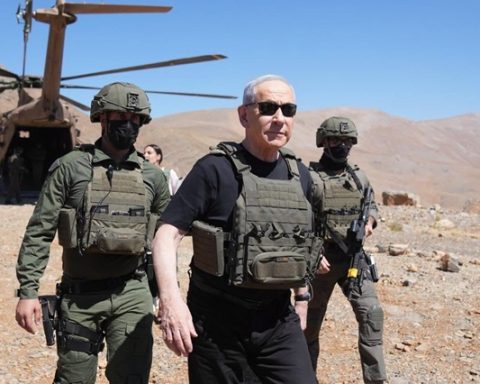
The Israeli military has advanced north of the Litani River, a key geographic reference point in United Nations arrangements intended to limit armed activity near the border. Israel has also established a security zone in southern Lebanon, controlling access across a stretch of territory along the frontier. These developments have contributed to fears among local residents that long-term displacement or territorial entrenchment could become entrenched features of the conflict.
The situation is further complicated by a fragile ceasefire framework, under which Lebanese armed forces are expected to deploy gradually in certain areas following Israeli withdrawal and reductions in hostilities. However, the agreement remains conditional and has not been fully implemented, with continued exchanges of fire undermining stability.
Analysts quoted in the report describe the region as being caught between competing sources of authority, including Israeli military presence, Hezbollah’s entrenched influence, and a Lebanese state struggling to assert control. The result, they say, is a breakdown in clear governance and security across border communities, leaving residents exposed to repeated cycles of violence and instability.
Economic conditions in southern Lebanon have deteriorated sharply alongside the security crisis. Rising food prices, infrastructure destruction, and loss of income sources have left many families dependent on limited state assistance or humanitarian aid. Agricultural activity, including tobacco farming, has been severely disrupted due to restricted access to land during critical planting periods.
Local services have also been strained. Schools have shifted between in-person and remote learning due to insecurity and fuel shortages, while medical infrastructure has been damaged or closed in several areas. Aid deliveries have been inconsistent, with humanitarian organizations reporting difficulties reaching affected communities due to destroyed roads, damaged bridges, and ongoing hostilities.
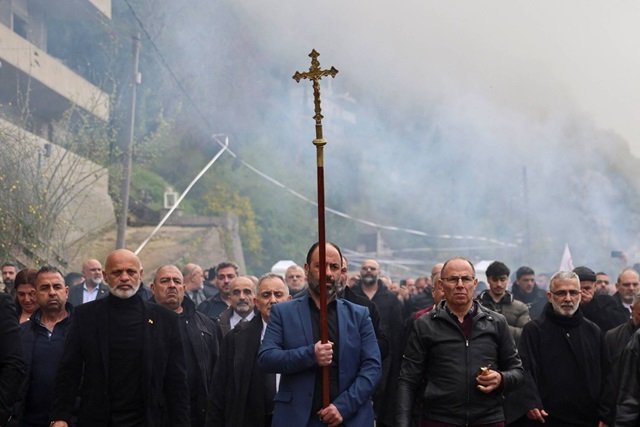
Religious and local leaders in affected towns have described a growing sense of abandonment. Communities that include a significant Christian population, alongside Muslim residents, report damage to churches, civilian infrastructure, and residential areas. Some incidents have included fatalities among civilians, including clergy and families, as strikes have continued in border towns.
The broader political context remains unresolved, with Israel stating that its operations aim to dismantle Hezbollah’s military infrastructure and protect northern Israeli communities from cross-border attacks. Lebanese officials, meanwhile, have warned that prolonged conflict risks deepening internal instability and exacerbating existing political and economic crises.
Despite ongoing diplomatic references to ceasefire arrangements and security guarantees, residents along the border continue to live with limited access to stable governance, essential services, and economic activity. For many families in towns like Rmeish, the situation remains defined by uncertainty over whether they will be able to remain in their homes or be forced to leave again as the conflict continues.