SpaceX is set to face a major test in the public markets this week as the first substantial tranche of previously locked shares becomes eligible for trading, marking a significant milestone following what was billed as the largest stock market debut in history.
The company, which entered public markets on 12 June with a market capitalisation of around US$1.5 trillion (€1.3 trillion), initially offered approximately 639 million shares, representing around 5% of its total share capital. Beginning on Thursday, a further tranche of up to 911 million shares held by pre-IPO investors may become available for trading as lock-up restrictions begin to expire. According to a Reuters estimate based on filings submitted to the US market regulator, the move would increase SpaceX’s publicly traded free float to approximately 12%, although estimates vary depending on how different categories of shareholder holdings are classified.
The gradual release of locked shares is designed to promote price stability rather than flood the market with stock in a single transaction. Nevertheless, the increase in available shares introduces a classic test of market dynamics, with the balance between supply and demand expected to play a decisive role in determining the company’s near-term share price.
The share release comes during an especially important week for the company, which is also due to publish its first quarterly earnings as a publicly listed business on Tuesday. Investors are expected to scrutinise the results closely for evidence that the company can justify its valuation while demonstrating a credible path towards profitability.
Analysts believe the combination of earnings and the expiry of lock-up periods could place additional pressure on the stock. Galen Meyer, a researcher at Bloomberg Intelligence, said some investors already view the end of the lock-up period as the point at which the company’s valuation will face a more rigorous market assessment. Bearish sentiment has strengthened in anticipation of these developments, with short positions increasing sharply in recent weeks. According to consultancy S3 Partners, short interest now represents 34% of outstanding shares, or around 219 million shares, compared with 29% two weeks earlier and just 5% in mid-June.
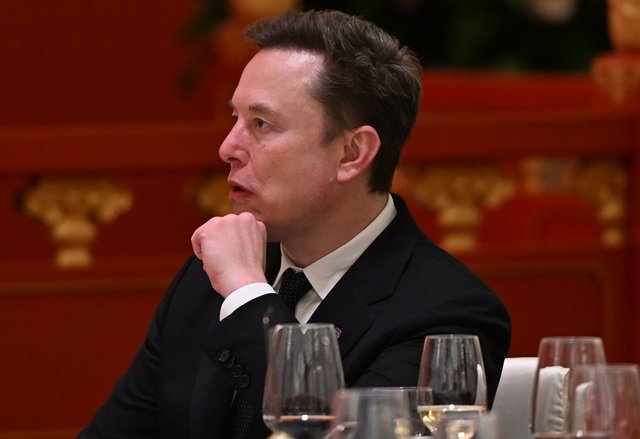
Matthew Unterman, Head of Research at S3 Partners, said bearish investors had expanded their positions ahead of several important events, including the expiry of lock-up restrictions. The growing volume of short selling has also drawn a response from SpaceX founder Elon Musk, who wrote on X on 18 July that investors betting against the company “will have little chance of surviving” financially because SpaceX “will be worth more than the Earth”. Despite Musk’s confidence, the article notes that investors taking a negative view believe the stock may continue to decline.
After an initial surge following its market debut, SpaceX shares have retreated significantly and now trade at around US$112, almost 20% below their initial price. The decline has extended beyond the company itself, contributing to broader concerns surrounding artificial intelligence-related stocks following SpaceX’s merger with xAI in February. Investors are increasingly questioning whether AI companies can generate sufficient returns to justify the substantial spending required for computing infrastructure, memory capacity and energy, particularly against a backdrop of oil prices exceeding US$90 per barrel and the escalating conflict in Iran.
The broader technology sector has also felt the impact. Axel Rudolph, Chief Technical Analyst at brokerage firm IG, said elevated AI valuations and concerns over future investment spending had weighed on semiconductor companies, while SpaceX’s fall below its IPO price reflected weakening investor appetite for high-growth companies. The resulting sell-off has contributed to recent declines in chipmaker shares and briefly pushed the Nasdaq into correction territory before it recovered during the following trading sessions.
Profitability remains another central concern. Market consensus compiled by Bloomberg expects SpaceX to report revenue of just under €6.11 billion and EBITDA of around €1.74 billion in its first quarterly results. However, the company continues to face mounting losses linked to its artificial intelligence operations, leaving investors eager to assess whether management can demonstrate meaningful financial progress.
Investor caution is also becoming evident in the debt market. Francisco Quintana, market strategist for ING Group in Spain, said retail investors who have enthusiastically supported SpaceX shares regardless of the company’s financial position exert far less influence over bond markets. As bond yields move inversely to prices, yields on the company’s ten-year debt have climbed towards 7%, while 30-year bonds are approaching 8%, increasing the company’s borrowing costs.
The forthcoming share release marks only the beginning of a longer process. More than a dozen additional lock-up expiries are scheduled over the next year, with another estimated 2% of the company’s share capital expected to be released on 20 August, followed by several smaller releases in September. A larger tranche is planned for October alongside the company’s second earnings report, when the proportion of freely traded shares is expected to rise from 25% to 35%.
By the end of 2026, more than 40% of SpaceX’s share capital is projected to be available for public trading. The staged process will continue until May 2027, before all remaining shares, including Elon Musk’s holdings, are scheduled to become freely tradable on 12 June 2027. Analysts believe the gradual timetable, designed by the company’s underwriting banks, should help reduce market disruption while allowing early investors and employees to realise gains in a controlled manner.