Singapore — Sri Lanka’s fragile post-bankruptcy recovery demands bold leadership, institutional reform, and urgent economic diversification, according to insights shared during a high-level trade policy session in Singapore.
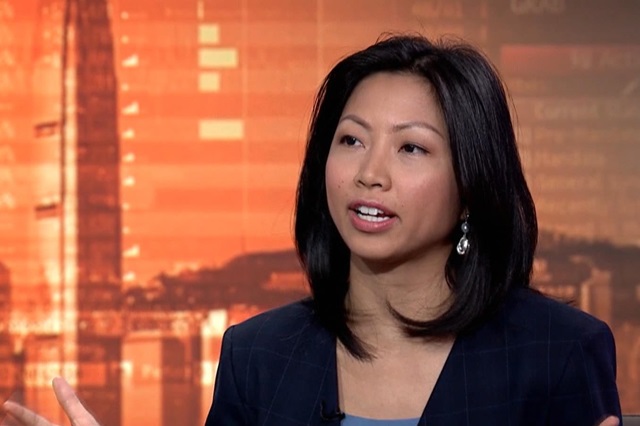
The remarks came during “Navigating the Uncertainty,” a session led by Trinh Nguyen, Senior Economist for Emerging Asia at Natixis, as part of the International Trade Fellowship organized by the National Press Foundation and hosted at the Hinrich Foundation office.
In response to a question posed by the Sri Lanka Guardian, Nguyen outlined a stark reality: unless Sri Lanka strengthens its institutions and reduces its dependency on tourism, the country risks slipping back into crisis after its IMF-backed grace period ends in 2028.
“Sri Lanka has beautiful beaches, tea, and safaris—but tourism is volatile,” Nguyen warned. “You need more than that. Countries that diversify their economies—like Vietnam—have weathered crises far better.”
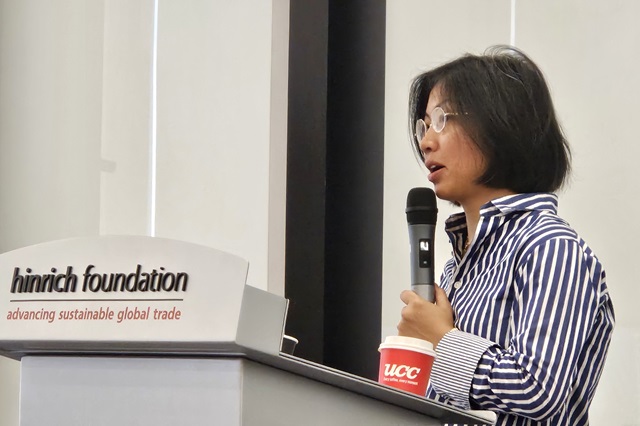
She also highlighted the importance of energy diversification, noting the dangers of relying solely on LNG or renewable sources without a robust grid. “Energy is the bloodline of your economy,” she said, urging policymakers to build buffers and alternative supplies.
But above all, Nguyen emphasized the role of leadership and institutions. She pointed out that long-term stability hinges not on charismatic individuals but on credible, functioning bureaucracies. “If you’re lucky, you get a Lee Kuan Yew-type leader,” she said. “But without strong institutions and technocrats, even the best plans won’t survive.”
She cited Thailand as a cautionary-yet-instructive example—a country riddled with political strife, yet held together by capable institutional frameworks like its finance ministry and civil aviation sector.
“Push your government to attract FDI. Push them to invest beyond tourism. And build institutions that can endure beyond political cycles,” she concluded.
Click here to read detailed article based on the full remarks from the session.