The Syrian state was ravaged by the war between 2011 and 2014, followed by crippling sanctions that further debilitated the nation. Despite retaking key cities like Hama, Homs, and Aleppo, the Syrian army has not fully recovered from the aftermath of those intense battles.
Sustained Israeli bombardments targeting Syrian military facilities have severely weakened the logistical and ordnance capabilities of the armed forces. These attacks have been a significant blow to Syria’s defense infrastructure.
The Israeli invasion of Lebanon and the death of Sayyid Hassan Nasrallah of Hezbollah diminished Hezbollah’s operational capacity, even within southern Lebanon. This led to a ‘ceasefire’ agreement with Israel, highlighting Hezbollah’s inability to reenter Syria and defend the Syrian government against potential armed incursions along the Hama-to-Damascus M5 highway.
Additionally, Israeli strikes on Iranian supply depots and military facilities in Syria, coupled with broader attacks on Iran, have thwarted any significant buildup of Iranian forces to support Damascus. The weakening of Hezbollah has further eroded Iran’s regional influence.
The ongoing conflict in Ukraine has diverted Russia’s focus and resources, leaving Syria unable to count on substantial Russian military assistance for the protection of Damascus or the naval base in Latakia.
As a result, the Syrian government is now largely without the military backing of its primary allies, Iran and Russia, against strengthened rebel forces.
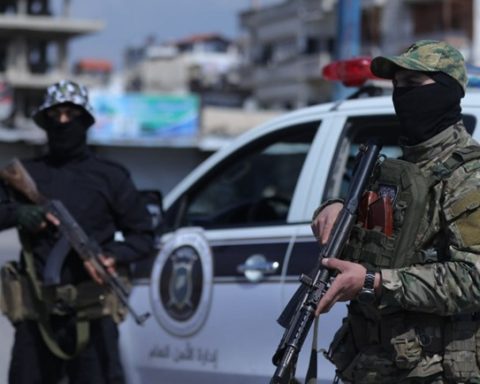
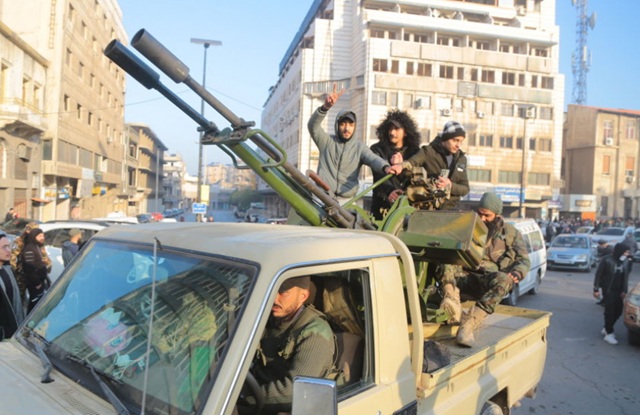
Hayat Tahrir al-Sham (HTS), formed in 2017 from al-Qaeda-linked factions, has consolidated various military groups, including fighters from Turkey, Uyghur units, and other al-Qaeda-influenced forces. Over the past decade, HTS has fortified its presence in Idlib with support from Turkey and, covertly, from Israel (as disclosed by a highly placed Turkish intelligence official).
The future of a potential HTS-led government raises pressing questions: How will they address the many social minorities in Syria? What stance will they take on the Golan Heights and Israeli incursions, such as those in Quneitra?
The situation remains unresolved, with further unrest anticipated. ISIS continues to pose a threat, while Kurdish groups in the north, backed by Turkey, are locked in combat against YPG and PKK forces in Manbij. Meanwhile, U.S. forces remain in eastern Syria, citing their presence as a buffer against ISIS and maintaining control over oil-rich regions. Tensions are also simmering between Turkey and the U.S. over the directives for an HTS-led administration.
There is hope that statements made by Abu Mohammed al-Jolani, advocating against retribution, will be upheld. However, fears persist regarding the treatment of minority populations. The potential involvement of Iraqi militias in Syria and the fate of significant sites like the Sayyida Zaynab shrine in Damascus remain uncertain, contingent on unfolding events.