


Editorial Gananath Obeyesekere, a man larger than life, passed away today. His death marks the end of an intellectual force that reshaped the very foundations of anthropology, psychoanalysis, and the critique of

Editorial Gananath Obeyesekere, a man larger than life, passed away today. His death marks the end of an intellectual force that reshaped the very foundations of anthropology, psychoanalysis, and the critique of
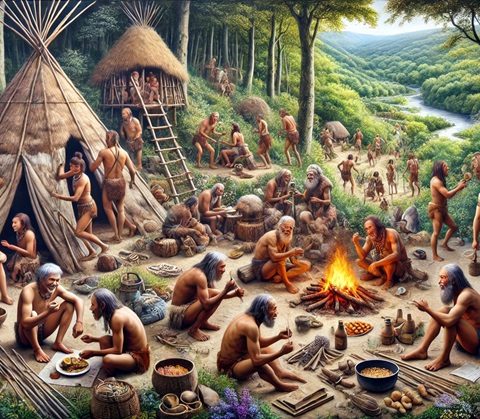
There is a great deal of attention in modern societies to inequality and the social problems it causes. Often inequality is considered to be the unavoidable consequence of how society operates in many cultures, with large population numbers and competition for resources
The ancient figure of the Antichrist has returned to public debate through an unlikely messenger: billionaire investor Peter Thiel. In speeches delivered from San
A recent investigation of human remains found in the UK’s Cheddar Gorge has once again brought a particularly unsavory aspect of our human story
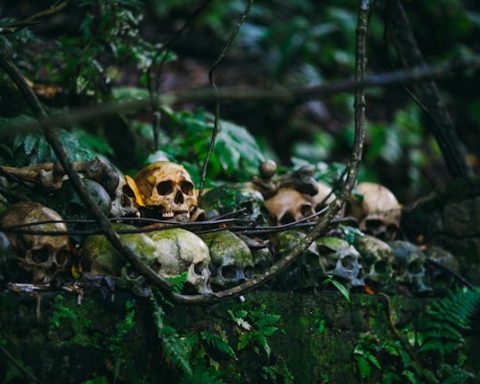
A recent investigation of human remains found in the UK’s Cheddar Gorge has once again brought a particularly unsavory aspect of our human story into the light: human consumption of other humans.
More
Numeracy or numerosity, the ability to think about and use numbers, varies among human cultures and within populations, much like intelligence does. Many known languages, for example, have no words for numerals
More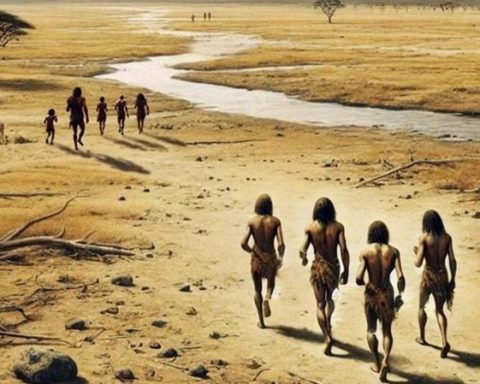
The migration and spread of ancient humans across the Eurasian continent after leaving Africa were significantly influenced by climate change and landscape evolution, according to a new study published in the journal
More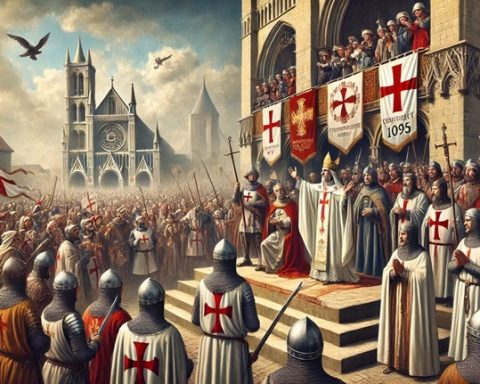
It is worth recalling that the Crusades were largely a reaction to the rapid and triumphant rise of Islam. Within a single generation, Islam had emerged as the third great monotheistic faith,
More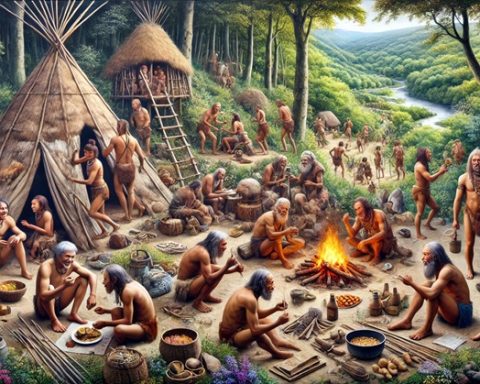
There is a great deal of attention in modern societies to inequality and the social problems it causes. Often inequality is considered to be the unavoidable consequence of how society operates in many cultures,
More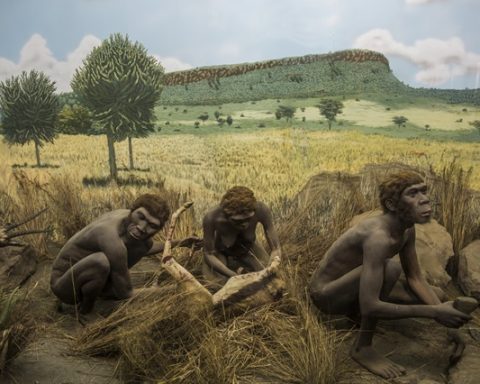
Prehistory is a modern idea. The word was “coined” only in the 1830s. Before the 19th century, we didn’t know much about dinosaurs or cavemen, and fossils remained a scientific curiosity. When
More
Is the order of the modern alphabet connected to how our shared ancestors counted the phases of the moon and its effect on tides 50,000 years ago? Did the first stirrings of
More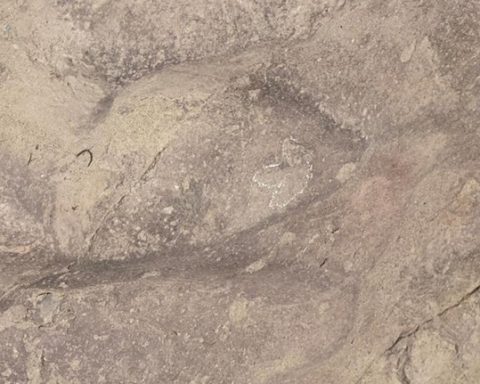
A set of five fossilized small dinosaur footprints from the Cretaceous period has been discovered in northwest China’s Gansu Province, believed to be among the smallest known dinosaur tracks in the world.
More
Ancient human retrovirus DNA could be one of the markers of susceptibility to mental illness—specifically schizophrenia, bipolar disorder, and major depressive disorder, a new study suggests. An international team of researchers examined
More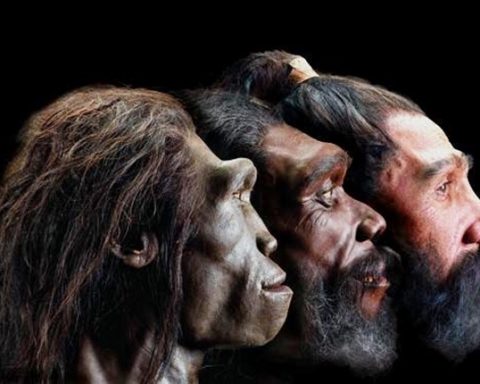
A glance at recorded history shows us that humans have “always” felt a need to explain phenomena perceived to exist beyond our comprehension. Today, we turn to science to seek answers to
More