


We use the vernacular term “porak” in Sri Lankan politics to describe anyone but a Leftist, Marxist-Leninist politician. How naïve we were. Our collective perception seemed to dictate that they (the JVP

We use the vernacular term “porak” in Sri Lankan politics to describe anyone but a Leftist, Marxist-Leninist politician. How naïve we were. Our collective perception seemed to dictate that they (the JVP
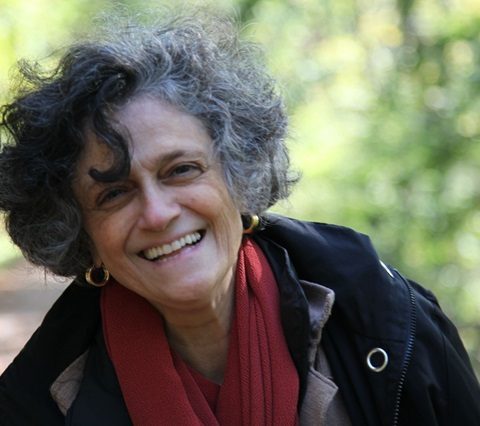
In a wide-ranging conversation, Bahiyyih Nakhjavani reflects on the unsettled nature of identity, the limits of historical truth and the moral responsibility of writing about people who can no longer speak for themselves. Drawing on her experience between Iran, Africa,
by Our Correspondnent in Colombo A significant disclosure was made during yesterday’s court proceedings into Sri Lanka’s Easter Sunday terrorist attacks, when Additional Solicitor
Ursula Kemp was a strong-willed woman. That may have been one reason she eventually ended up on the gallows. A midwife and healer in
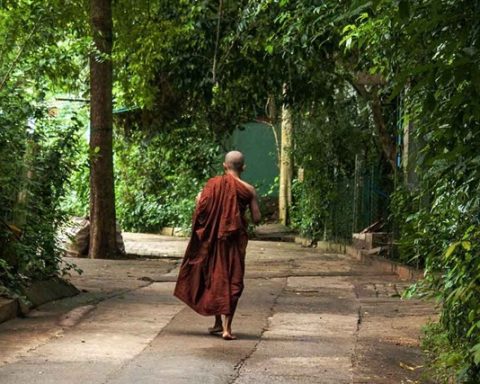
The last night tragedy at the Na Uyana Aranya Senasana in Kurunegala is not merely an unfortunate accident; it is a stark reminder of the perilous neglect and systemic indifference that continue
More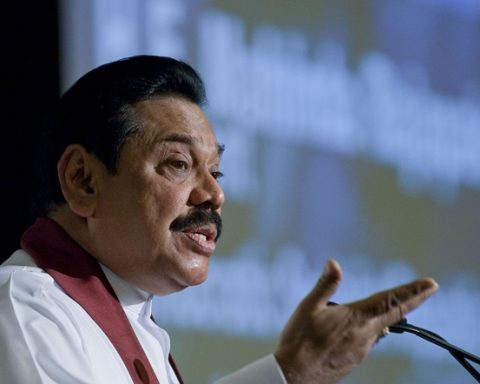
When Mahinda Rajapaksa became President of Sri Lanka in 2005, the country faced two critical challenges: bringing an end to the long-running civil conflict and addressing decades of underinvestment in infrastructure. While
More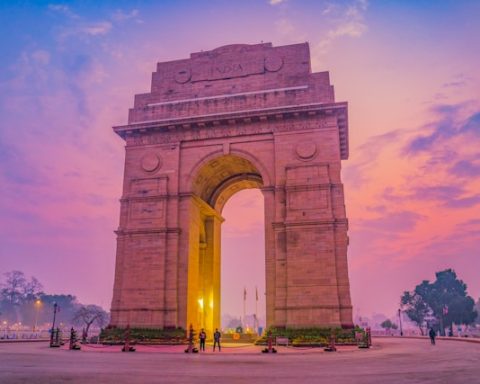
Traditionally and culturally, by and large, Indians have held in high respect those who make personal sacrifices for the sake of social upliftment, with a focus on the national cause and public
More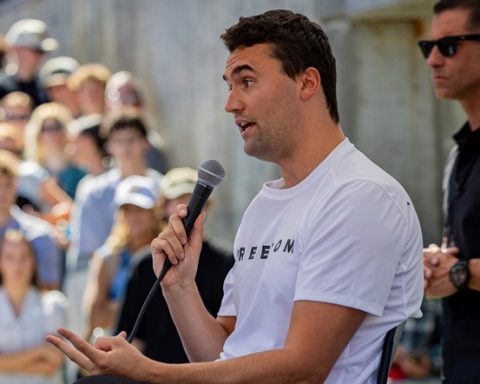
Summary: In the wake of Charlie Kirk’s assassination, America faces a crisis unlike any in its history—more precarious than the Civil War, World War II, Vietnam, the civil rights movement, or 9/11.
More
“Democracy faces a perfect storm of autocratic resurgence… To fight back, democracies need to protect key elements of democracy, like elections and the rule of law, but also profoundly reform government so
More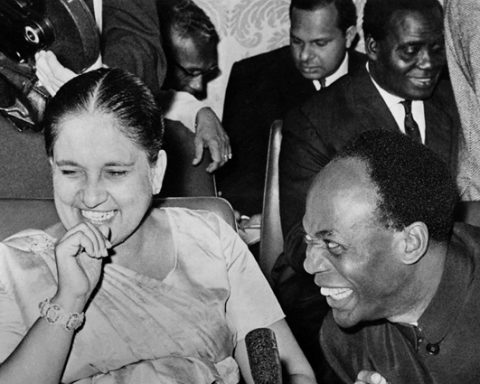
It was around the end of 1956. “Bandaranaike set off a bomb in our heads…” Sirimavo said. He came home early that day. I sensed that he was worried. He told me
More
The government and the Ceylon Electricity Board (CEB) strikers are playing a game of chicken, and the prospects of blackouts loom large, with the warring trade unions intensifying their industrial action. The
More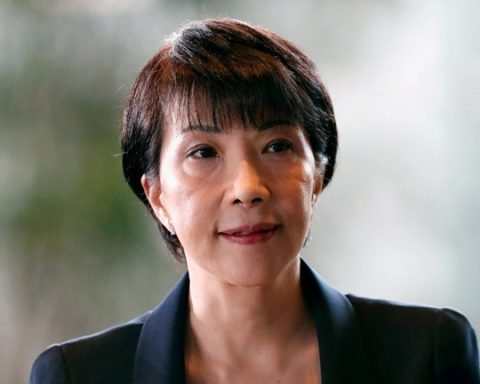
Japan may soon make history with its first female prime minister, as Sanae Takaichi rises among the frontrunners in the ruling Liberal Democratic Party’s (LDP) leadership contest. The election, scheduled for October
More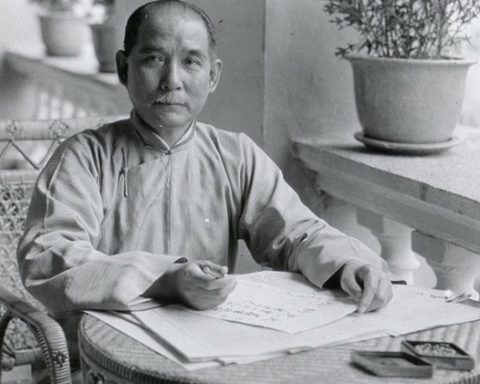
On 28 November 1924, Sun Yat-sen delivered a speech in Kobe, Japan titled China and Japan: Natural Friends, Unnatural Enemies. Here, he outlined his progressive vision for Pan-Asianism – a world where the ‘rule of
More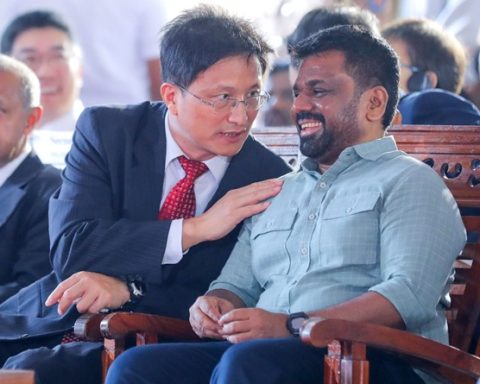
by Our Correspondent in Colombo Addressing the nation at the inauguration ceremony for the resumption of construction on the Kadawatha to Mirigama section of the Central Expressway Project, the President emphasized that
More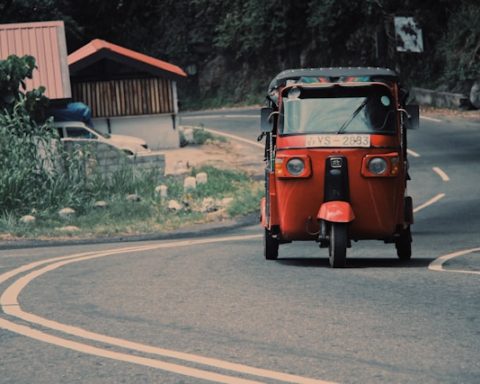
If Part One diagnosed the problem, Part Two considers solutions. How can Sri Lanka strengthen decision-making, rebuild trust, and create a political culture rooted in integrity and accountability? Lessons for this can
More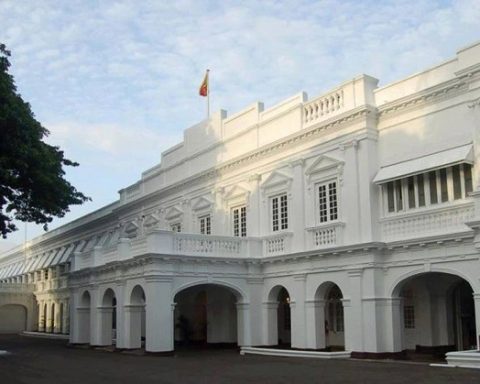
Editorial The world today is interconnected in ways unprecedented in history. Diplomacy, once confined to discreet negotiations and guarded communiqués, now finds itself exposed to the instant gratification culture of social media
More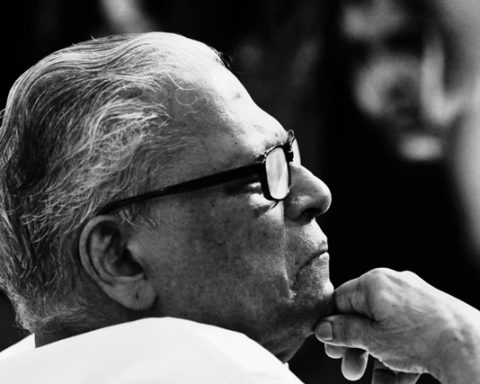
I vividly remember reading Thakazhi Sivasankara Pillai’s classic Malayalam novel Randidangazhi in high school. Set in 1940s Kuttanad, Alappuzha—Kerala’s rice bowl—it depicts the brutal socio-economic conditions of Dalit agricultural workers and impoverished tenant peasants,
More This record is not a eulogy. It is an explanation. People called Charlie Kirk many names because they could not read what was driving him. Some saw a culture warrior who ignored
More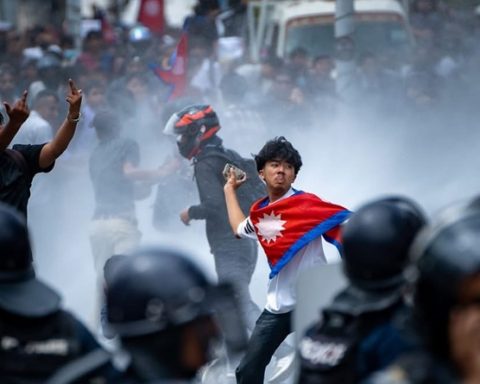
In a historic display of youth-driven political activism, Nepali protesters, largely from Generation Z, managed to force the resignation of Prime Minister KP Sharma Oli in under 48 hours. However, choosing the
More