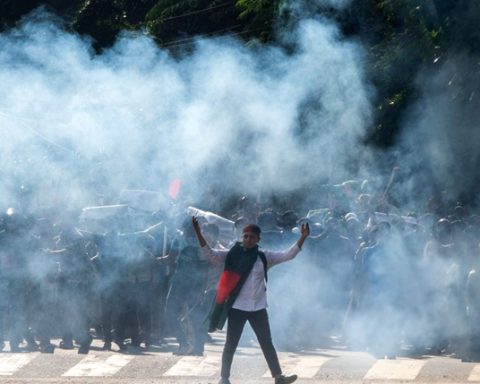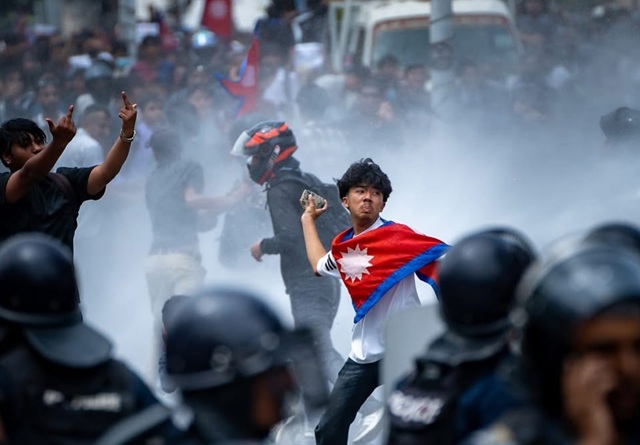
In a historic display of youth-driven political activism, Nepali protesters, largely from Generation Z, managed to force the resignation of Prime Minister KP Sharma Oli in under 48 hours. However, choosing the next leader for the country’s interim government proved to be far more complex. Rather than rely solely on traditional political channels, young activists turned to artificial intelligence — specifically ChatGPT — for guidance.
According to The Times, members of the online forum Youths Against Corruption consulted the AI chatbot to identify potential candidates for interim leadership. The list proposed by ChatGPT included figures such as Sagar Dhakal, an Oxford-educated engineer; Sumana Shrestha, former education minister; Balen Shah, rapper and mayor of Kathmandu; and Sushila Karki, Nepal’s first and only female chief justice.
The group then used ChatGPT to debate the strengths and weaknesses of each candidate. In one exchange, the AI recommended Sushila Karki as a transitional leader, stating, “She seems likely to command trust across different groups and could help oversee reforms and the path to fair elections.” For a longer-term solution, ChatGPT suggested Balen Shah, provided he could garner political support to avoid being absorbed by entrenched power structures.
The protests erupted after Oli’s government shut down 26 social media platforms, triggering widespread outrage. Riots quickly spread across Kathmandu, with homes of political figures set ablaze and at least 20 casualties reported. Amid this turmoil, Karki, 73, was selected by Hami Nepal, a Gen Z collective at the forefront of the movement, to lead negotiations with the military, which has since imposed a curfew in the capital.
Despite the enthusiasm for technological solutions, the approach has not gone without criticism. Some have cautioned against relying on an AI tool to make decisions with profound political implications. “To change laws, you need research, legitimacy and a real mandate. That’s not something you can just achieve using ChatGPT,” one user warned on an online forum. “If there’s even one wrong move made and political players from the outside take advantage — BOOM.”
Others expressed concern over the representativeness of the movement. Discord forums, where decisions are being debated and livestreamed, are chaotic, often filled with memes, insults and acrimony. Several users reported being banned for expressing dissent, and the group’s documents are headed with a Jolly Roger symbol — inspired by the anime One Piece, which has gained cult status among Nepali youth.
Still, many supporters remain optimistic. Balen Shah, the Kathmandu mayor, praised the movement’s idealism, calling the youth’s efforts “fire, vision and honesty.” Dhakal, too, backed Karki’s leadership during a livestream, while other protesters believe she offers the best chance to navigate Nepal through crisis and toward reform.
For many in Nepal’s Gen Z, this movement represents not just an act of political defiance, but a bid to reshape the nation’s future — with technology, creativity, and collective action at its core.