Hearts appear to change their biological age after transplantation, with young donor organs showing accelerated ageing in older recipients and older hearts displaying signs of rejuvenation when placed in younger bodies, according
In January this year, South Korean researcher Byeongjun Park opened an e-mail that would draw him into one of the most heated debates in modern science. Two computer scientists in India told
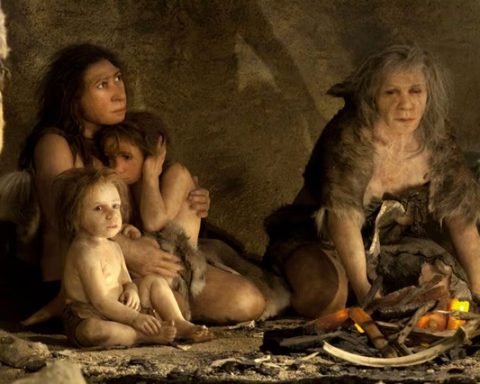
MoreRecent scientific research is shedding new light on the dietary habits of Neanderthals, revealing surprising cultural practices and challenging long-held assumptions about what our ancient relatives ate. A detailed report originally published
MoreThe humble potato — long celebrated as a staple food and driver of historic empires — has just had its deepest secret uncovered: it is, quite literally, a child of the tomato.
MoreIn 2005, a groundbreaking experiment changed how scientists understand and detect consciousness. A 23-year-old woman, left unresponsive after a car accident, was asked to imagine playing tennis while undergoing a brain scan.
MoreFor anyone who has ever felt groggy and disoriented after hitting the snooze button, science may now have an answer for why. A groundbreaking study published today in Current Biology has revealed
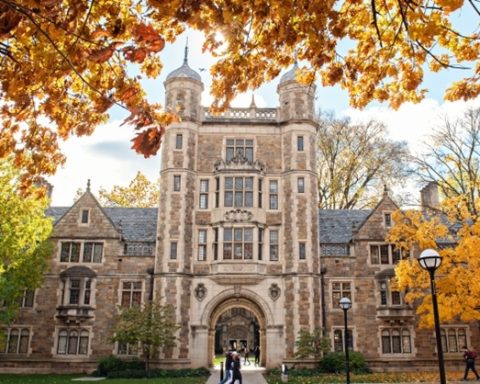
MoreThe University of Michigan is facing a federal investigation after two Chinese scientists with ties to the university were separately charged with attempting to smuggle biological materials into the United States. The
MoreChinese researchers have developed a groundbreaking method to convert carbon dioxide into white sugar, offering a potential solution to global challenges such as climate change and food insecurity. The team from the
MoreScientists have sequenced proteins from fossils over 20 million years old, dramatically extending the molecular fossil record—and potentially opening the door to studying dinosaurs at the molecular level. As reported by Nature,
MoreThe laboratory of developmental biologist Michael Levin at Tufts University, with its dozen or so postgrads, is a hub of ideas, experiments, and discoveries. Most exciting is the focus on cognition as
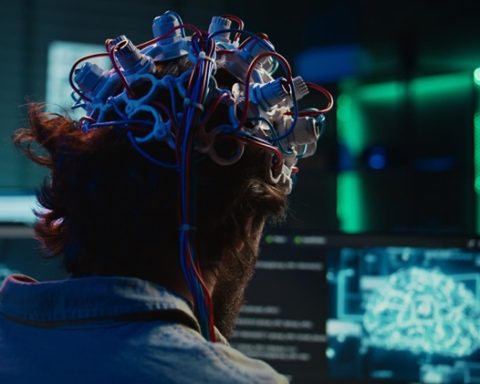
MoreIn a laboratory just outside Cambridge, a groundbreaking “biological computer” is taking shape. Known as the CL1 device, it contains around 200,000 human brain cells grown in the lab and integrated onto
MoreIn a striking new study titled “Your Brain on ChatGPT”, researchers from MIT and affiliated institutions have uncovered profound cognitive consequences of relying on large language models (LLMs) like ChatGPT for writing
MoreIn a groundbreaking experiment reported by Nature, researchers have successfully grown beating heart tissue containing human cells inside pig embryos — a major milestone in the emerging field of human–animal chimaera research.
MoreIn a remarkable scientific advancement published in Nature, researchers have developed a brain–computer interface (BCI) that enables a man with a severe speech disability to speak expressively and even sing — using
MoreDaiza Gordon watched her two younger brothers die from Hunter syndrome, a rare and incurable genetic disorder that mostly affects boys. It occurs when the body is missing a crucial enzyme. At
MoreIn a breakthrough that blurs the line between science fiction and reality, Chinese researchers have developed contact lenses that allow users to see in the dark—even with their eyes shut. As reported
More