


Elon Musk is accelerating the development of Starship, SpaceX’s giant next-generation rocket, after the spacecraft reached Earth orbit for the first time. The company has received authorisation from the US federal administration
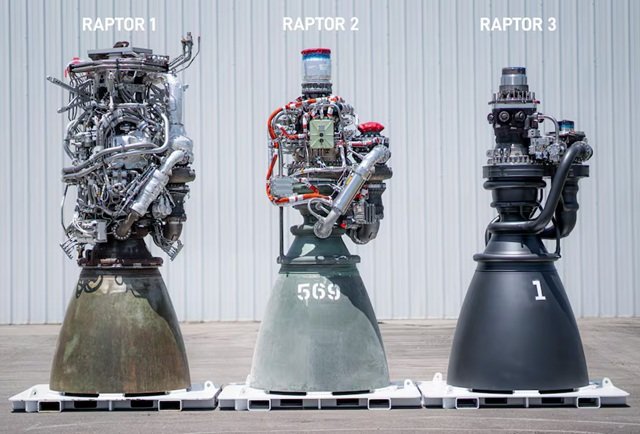
Elon Musk is accelerating the development of Starship, SpaceX’s giant next-generation rocket, after the spacecraft reached Earth orbit for the first time. The company has received authorisation from the US federal administration
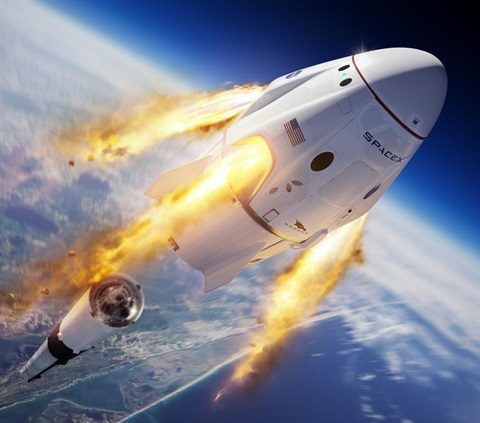
Four astronauts arrived at the International Space Station on Thursday after completing the fastest journey by a US spacecraft to the station. The crew, commanded by NASA astronaut Jessica Watkins, reached the ISS 7 hours and 55 minutes after launching
China has taken another step towards reusable rockets, with two successful booster recovery tests bringing its state-owned and commercial launch sectors closer to a
Google is taking its first major step towards putting artificial intelligence computing infrastructure in orbit, launching a prototype satellite carrying four of its custom
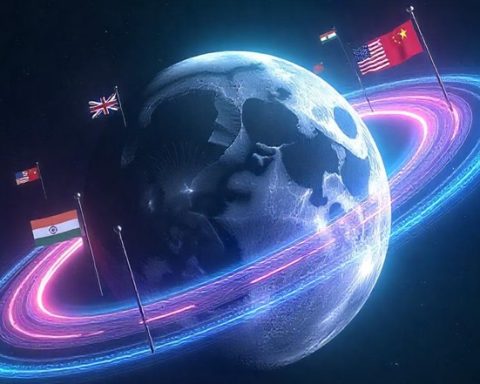
Private companies are staking a significant claim to the Moon’s radio spectrum, aiming to lay the groundwork for the future lunar economy. As The Financial Times reports, over 50 applications have been
More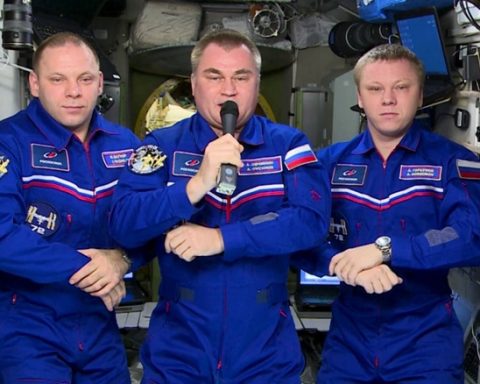
Russian cosmonauts aboard the International Space Station (ISS) have shared heartfelt New Year’s greetings with citizens on Earth, wishing for happiness, health, and peace while encouraging kindness and connection during the festive
More
Let me think back to the USSR. Soviet nostalgia is still alive and well in today’s Russia. Looking back at the USSR, which existed from 1922 to 1991, is like taking a
More