Iran is confronting its most severe water crisis in decades, with authorities warning that Tehran, home to more than 10 million people, could soon become uninhabitable if rainfall does not arrive before December. President Masoud Pezeshkian cautioned that the government may need to start rationing water in the capital, emphasizing that without rain even rationing may not suffice, forcing residents to leave the city.
The crisis stems not only from record-low rainfall but also from decades of mismanagement, including overbuilt dams, illegal wells, and inefficient agricultural practices, experts say. Authorities have attributed the shortage to a combination of past government policies, climate change, and over-consumption, with Tehran residents reportedly using up to 70% more than the recommended daily 130 liters per person.
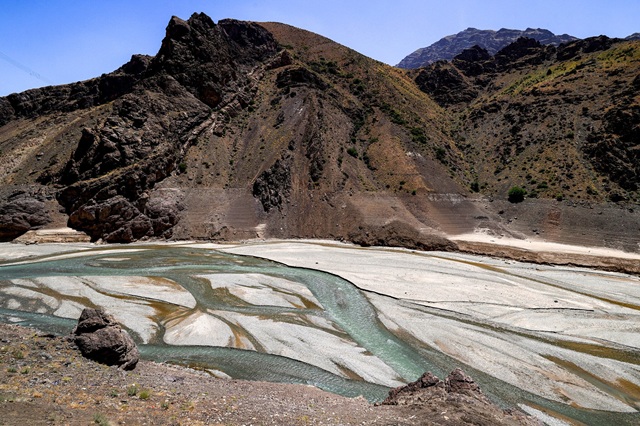
Water pressure reductions have already been applied nightly in parts of Tehran, with some districts potentially seeing taps run dry. Tehran relies on five reservoirs fed by rivers outside the city, but inflows have fallen sharply. Behzad Parsa, head of Tehran’s Regional Water Company, reported that water levels have dropped 43% from last year, leaving the Amir Kabir Dam at just 14 million cubic meters—8% of its capacity. Overall, the city’s reservoirs, which could once hold nearly 500 million cubic meters, now contain barely half that amount, enough to last only two weeks at current consumption rates.
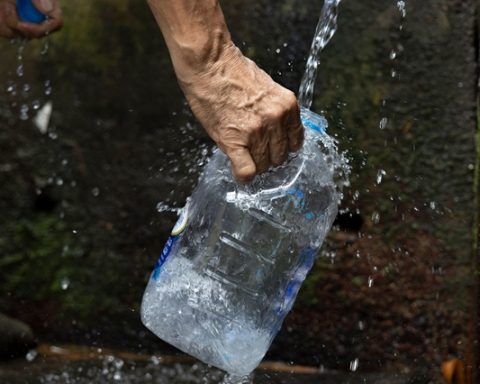
The crisis extends nationwide. Nineteen major dams, roughly 10% of Iran’s total, are effectively dry, and Mashhad, the country’s second-largest city, has water reserves below 3%. Residents describe daily life as increasingly difficult, with households forced to rely on bottled water or storage tanks, while businesses such as carpet cleaning in Mashhad struggle to operate.
Climate change has exacerbated the situation, accelerating evaporation and groundwater depletion, while record-breaking summer temperatures above 50 degrees Celsius (122 degrees Fahrenheit) prompted emergency public holidays and shutdowns of some public buildings to conserve water and electricity. Critics have also highlighted the politicization and mismanagement of environmental resources, though the government has rejected these claims.
Authorities are attempting temporary measures, such as lowering water pressure and transferring water from other reservoirs, while urging citizens to install storage tanks and pumps. Despite these efforts, many Iranians fear the measures may be too little, too late. As the crisis deepens, memories of violent water-related protests in Khuzestan in 2021 loom large, raising concerns about the social and political consequences of the worsening drought.