The Pashtun Tahafuz Movement (PTM), established in 2018, has been a highly controversial political entity in Pakistan, positioning itself as an advocate for the rights of the Pashtun community. However, a closer examination reveals a movement not genuinely invested in the welfare of the Pashtun people but rather in furthering divisive and negative politics. PTM rhetoric, often marked by inflammatory statements and calls for rebellion, has made it an instrument for exploitation rather than empowerment.
PTM: A Divisive Group, Not a True Representative of Pashtuns
While PTM presents itself as a representative voice of the Pashtun community, its actions suggest otherwise. The movement has consistently adopted a confrontational stance towards the state, rather than engaging in meaningful dialogue with state institutions. PTM leadership, particularly its founder Manzoor Pashteen, has often made inflammatory speeches aimed at inciting hatred and mistrust towards Pakistan’s security forces. The rhetoric, which frequently targets the military, is steeped in divisive narratives that pit the Pashtun community against the state.
One of the most striking aspects of PTM political strategy is its avoidance of electoral politics, despite claiming to represent Pashtuns nationwide. The movement’s failure to garner significant support in elections, including the largely unsuccessful Pashtun Qomi Jirga and the rejection of PTM candidates in the 2018 general elections. PTM stronghold appears to be confined to certain tribal areas, where it has managed to mobilize a small but vocal base. However, the lack of widespread support among the broader Pashtun population underscores PTM failure to position itself as a true representative of Pashtuns.
PTM leaders consistently project a narrative that pits the Pashtun community against security forces, claiming that anti-terrorist operations in Pashtun-majority areas are unfairly targeting innocent civilians. While there is undoubtedly a need for a more nuanced approach to addressing the grievances of the Pashtun community, PTM blanket condemnation of the state’s counterterrorism efforts only serves to embolden militants and further destabilize the region. By framing anti-terrorism operations as part of a broader conspiracy against the Pashtun people, PTM seeks to incite hatred and division within the community, exacerbating existing tensions.
Exploiting Terrorism for Political Gain
One of the most troubling aspects of PTM’s activities is its exploitation of terrorism incidents for political point-scoring. Whether it is the Quetta railway station suicide attack or other terrorist incidents, PTM and its allied political group, the National Democratic Movement (NDM), have consistently sought to use such events to malign Pakistan’s security forces. Rather than condemning terrorism and supporting the state’s efforts to combat extremism, PTM and NDM have often chosen to criticize the security forces, accusing them of failing to protect the Pashtun population.
This opportunistic stance, which seeks to turn terrorist incidents into a political tool, is not only morally reprehensible but also counterproductive. The Pashtun people, who have borne the brunt of terrorism and extremism in the region, are being exploited by PTM leaders for their own political gain. The continued use of terrorism as a political weapon undermines efforts to foster peace and stability in the region.
PTM and FAK
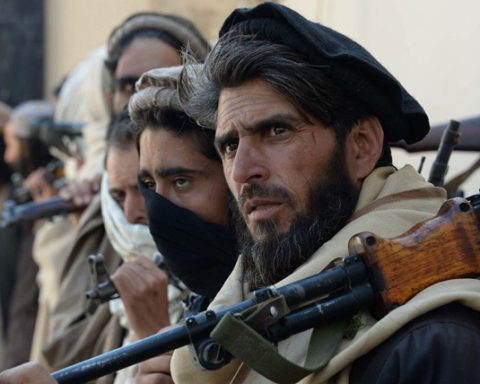
A further layer of concern arises from the alleged links between PTM and the militant group, the Free Afghan Khorasan (FAK). PTM sharp criticisms of Pakistan’s military and its support for anti-state rhetoric have raised suspicions that the movement may be playing into the hands of groups like FAK, which seeks to further destabilize Pakistan’s tribal areas. PTM divisive actions, which often focus on creating a rift between Pashtuns and the security forces, have inadvertently assisted militant groups by providing them with the space to operate more freely in areas where PTM has influence.
While PTM leaders may deny any direct affiliation with groups like FAK, the shared political objectives—namely, undermining Pakistan’s state institutions—are too pronounced to be dismissed as coincidence. If PTM were genuinely interested in the welfare of the Pashtun community, it would cease its confrontational politics and adopt a more constructive approach that promotes peace and unity, rather than division and violence.
Moving Towards Constructive Engagement
It is clear that PTM current approach, rooted in confrontation, hate speech, and political opportunism, is not conducive to the welfare of the Pashtun community. If PTM genuinely seeks to serve the interests of the Pashtun people, it must abandon its divisive politics and work towards positive engagement with the state. Constructive dialogue, rather than inflammatory rhetoric, would yield far greater benefits for the Pashtun community in the long run.
Moreover, the Pashtun people themselves, particularly those who are politically aware, have already demonstrated their rejection of PTM agenda. The movement’s failure to gain widespread support in elections and its inability to rally meaningful numbers behind its cause should serve as a wake-up call. The future of Pashtun society lies in unity and cooperation, not in the divisive politics propagated by PTM.
PTM narrative of hate, division, and political opportunism represents a significant threat to the long-term welfare of the Pashtun community. The movement’s exploitation of terrorism incidents for political gain, its incendiary rhetoric, and its alignment with groups that seek to undermine Pakistan’s security forces all point to a political agenda that prioritizes vested interests over the genuine needs of the Pashtun people. For the sake of Pashtun unity and peace, it is imperative that PTM abandons its divisive politics and adopts a more constructive, solution-oriented approach that promotes the welfare of the community.