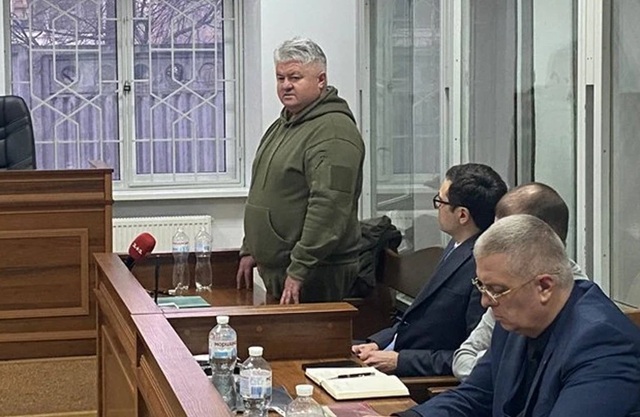
Oleh Druz, the chief psychiatrist of Ukraine’s armed forces, has been arrested on suspicion of corruption as part of an investigation into bribery and military service exemptions. Druz, who was responsible for assessing the mental fitness of individuals for military service, is accused of receiving up to $1 million in illicit funds since Russia’s full-scale invasion of Ukraine nearly three years ago.
The arrest, carried out by the SBU (Security Service of Ukraine), follows a raid on Druz’s properties, where investigators uncovered $152,000 in cash and €34,000 during a search of one of his homes. The SBU also revealed that Druz owned several properties in Kyiv, Odesa, and luxury cars, which were allegedly registered in the names of family members and associates to conceal his assets.
Though the SBU has not explicitly charged Druz with accepting bribes, local media reports suggest that the psychiatrist may have accepted money in exchange for helping draft dodgers avoid military service. Druz now faces up to ten years in prison if convicted.
The investigation has raised concerns about pervasive corruption within Ukraine’s military system, where bribery for medical exemptions has been a significant issue. As the country grapples with the human cost of war and a diminishing pool of recruits, many men have sought to evade military service through illegal means, including paying for fraudulent medical documents that deem them unfit for duty.
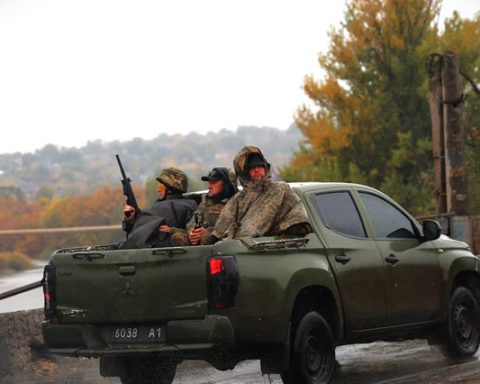
The corruption case comes at a time when Ukraine is facing increasing pressure on the front lines, as many of the soldiers who volunteered early in the war are either dead, injured, or exhausted. The country has introduced various measures to maintain a steady flow of new recruits, including lowering the minimum enlistment age from 27 to 25, although President Volodymyr Zelensky has so far resisted calls for further reductions.
The arrest of Druz is not an isolated incident. Last year, Yurii Nikolov, a Ukrainian journalist, highlighted previous corruption charges against Druz in 2017, which resulted in an acquittal after an investigation that Nikolov described as substandard. The case underscores the ongoing frustrations with Ukraine’s efforts to combat corruption, particularly in the military and government sectors.
Despite public attempts to tackle corruption through high salaries, public condemnation, and even arrests, many Ukrainians remain skeptical about the effectiveness of anti-corruption measures. A recent opinion poll revealed that over half of respondents believe the country’s anti-corruption agencies are the main contributors to the issue, with a significant portion blaming President Zelensky for the persistence of corruption.