Donald Trump is reportedly considering a major escalation in tensions with Iran, including the potential seizure of Kharg Island, a critical hub for the country’s oil exports, as part of efforts to end disruptions in the Strait of Hormuz. According to reports citing White House sources, the move is one of several options being evaluated amid growing concerns over maritime security in one of the world’s most vital oil corridors.
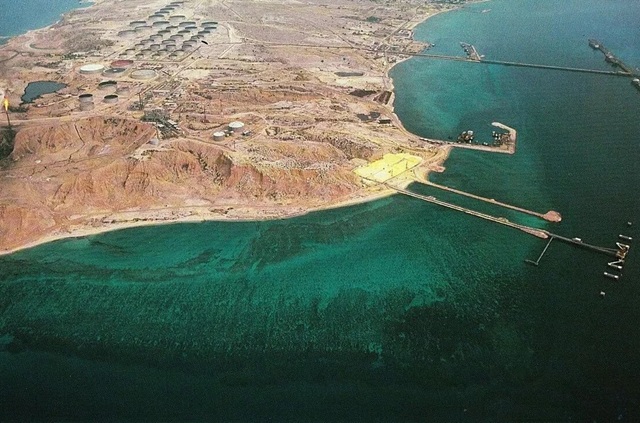
Kharg Island, located roughly 15 miles off Iran’s coast, processes the vast majority of the country’s crude oil exports, making it a highly strategic target with significant global economic implications. Sources familiar with internal discussions indicated that a ground operation to occupy the island is under serious consideration, alongside alternative strategies such as imposing a naval blockade to cut off tanker access and restrict Iran’s export capabilities.
Officials suggested that any such operation would likely follow a period of intensified military strikes aimed at weakening Iranian defenses. One source described a potential timeline involving weeks of sustained pressure before attempting to take control of the island and use it as leverage in negotiations. However, such an operation would place U.S. forces directly in harm’s way, raising the stakes of an already volatile regional standoff.
Despite these reports, Trump publicly downplayed the likelihood of deploying ground troops, stating that the United States was “not putting troops anywhere,” highlighting apparent divisions or evolving strategy within the administration. The mixed messaging has added to uncertainty over Washington’s next move, as allies and adversaries alike monitor the situation closely.
Any attempt to seize Kharg Island would mark a significant turning point in U.S.-Iran relations and could trigger broader conflict across the Middle East. Analysts warn that targeting such a critical piece of Iran’s energy infrastructure risks severe retaliation and potential disruption to global oil markets, amplifying the crisis beyond the region.
As deliberations continue, the situation underscores the fragile balance between military pressure and diplomatic maneuvering, with decisions in Washington likely to have far-reaching global consequences.