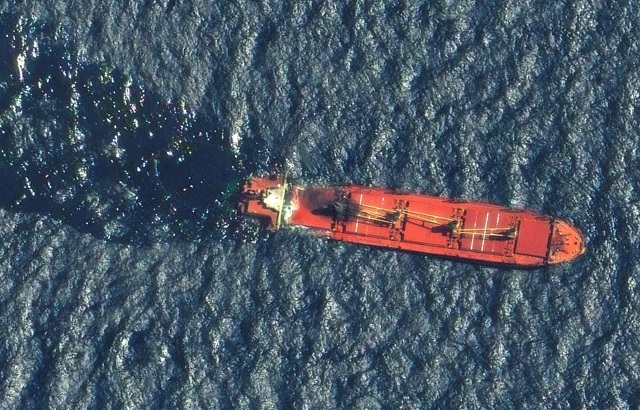
The global shipping industry’s hopes for a return to normal trade through the Red Sea have been dealt a blow following U.S. President Donald Trump’s proposal to take over Gaza. Shipping executives fear the move could reignite hostilities in the region, particularly from Yemen’s Houthi militant group, which had recently eased its targeting of commercial vessels.
According to Financial Times, Maersk CEO Vincent Clerc emphasized that confidence in the stability of the Red Sea remains fragile. Maersk previously attempted a return in late 2023 but was forced to reroute after Houthi forces attacked one of its vessels. Clerc stressed that customers need long-term stability rather than shifting policies that could lead to further disruptions.
Since the Houthis’ announcement on January 19 to stop targeting most ships—except those tied to Israel—Red Sea transit saw a modest 4% increase. However, Trump’s unexpected declaration has raised concerns that the group may reverse its decision, prolonging the crisis.
Jan Rindbo, CEO of Norden, highlighted that the situation remains volatile, with Trump’s proposal adding “to this picture of turmoil and tension.” Similarly, Lars Jensen of Vespucci Maritime noted that early optimism about a return to Red Sea routes had faded.
The shipping industry remains cautious, with major players like AP Møller-Maersk forecasting that Red Sea trade may not normalize until mid-to-late 2025. The ongoing instability continues to force companies to take the longer and more expensive route around Africa, increasing costs and logistical challenges.