A former British paratrooper, known only as Soldier C for his safety, is once again under investigation over the fatal 1972 shooting of Joe McCann, a prominent Official IRA commander during the Northern Ireland Troubles.
Speaking for the first time in over a decade, the veteran—now in his mid-seventies and wearing a hearing aid—told The Times UK that his memory of the events is patchy, describing “huge gaps” after decades have passed. Soldier C was acquitted in a landmark 2021 murder trial, the first prosecution related to Troubles-era incidents since the 1998 Good Friday Agreement. The trial collapsed due to lack of new evidence.
Despite this, he now faces his fifth investigation—a fresh inquest into McCann’s death—following years of legal and police scrutiny. Soldier C expressed frustration and a sense of injustice, questioning why he continues to be pursued while many suspected members of the Irish Republican Army (IRA) received “comfort letters” under the 1998 peace deal granting them immunity from prosecution.
“These letters effectively say you are no longer wanted by the police,” he said, adding, “What kind of justice is this?” The peace deal aimed to help Northern Ireland move past decades of sectarian conflict but has left many victims and veterans feeling abandoned.
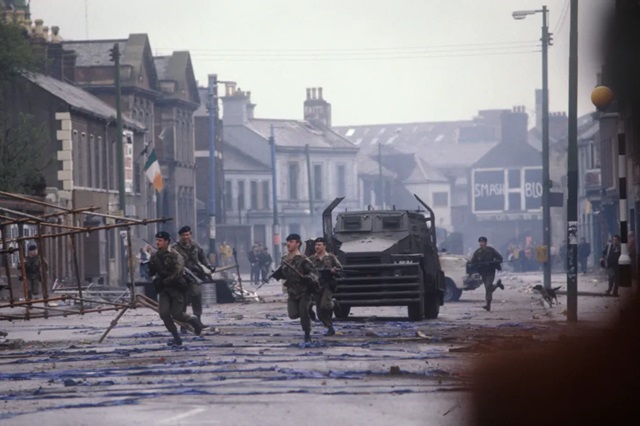
Soldier C joined the British Army’s Parachute Regiment in 1970 and was quickly deployed to Belfast amid intense urban violence. He recalled his early days in Northern Ireland: “I thought it was raining. It was raining bricks, stones.” The conflict claimed many lives on all sides.
Joe McCann was killed after soldiers opened fire during an attempted arrest. Although he was unarmed and shot in the back, the soldiers involved said they acted in self-defense, believing McCann posed a lethal threat. No charges were brought at the time.
After serving two decades with the elite Special Air Service (SAS) and receiving the British Empire Medal, Soldier C was contacted decades later by the UK Ministry of Defence and became embroiled in investigations that intensified over the years.
During the 2021 trial in Belfast, Soldier C and a fellow soldier, known as Soldier A, were named publicly in court despite efforts to protect their identities, causing the veteran “sheer terror.” Both pleaded not guilty, and the trial ended with acquittals.
Yet the veteran’s ordeal continues, as legal challenges and investigations persist. “These lawyers are relentless. They’re only relentless because the system allows them to be,” he said.
The Times UK previously reported that hundreds of former special forces soldiers now face renewed investigations into Troubles-era actions, sparking a parliamentary petition with over 160,000 signatures calling for protections against what veterans describe as endless legal harassment. A UK parliamentary debate on the issue is scheduled for July 14.
The Ministry of Defence has declined further comment on ongoing proceedings.