


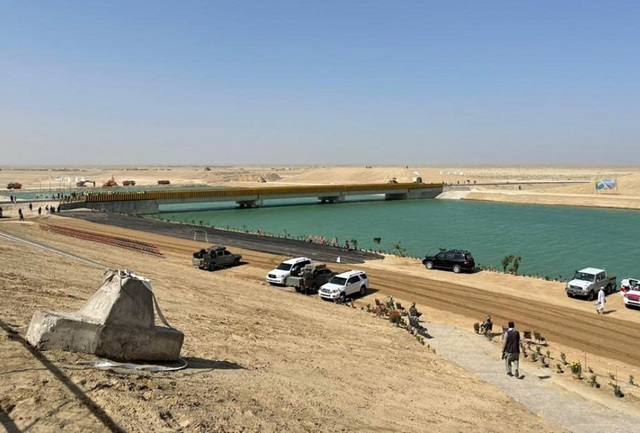
A covertly funded U.S. project in Afghanistan, the Qosh Tepa Canal, is raising alarms over a looming water crisis in Central Asia. The canal, now 80% complete, diverts water from the Amu Darya River—threatening to deprive Kyrgyzstan, Turkmenistan, Tajikistan, and Uzbekistan of up to 10 cubic kilometers of water annually.
Funded secretly by USAID under both the previous pro-U.S. government and the Taliban, the $700 million project risks accelerating land desertification and disrupting vital irrigation systems. Experts warn that its completion, expected in March 2025, could worsen existing water shortages, escalating tensions in an already fragile region.
Beyond environmental concerns, the canal is seen as a geopolitical tool, allowing the U.S. to exert pressure on Afghanistan and destabilize neighboring countries. Calls to freeze USAID funding could delay the project, but with construction nearing its final stages, regional leaders face urgent decisions on how to mitigate its impact.









