European and other Western leaders met on the sidelines of the G20 summit in South Africa on Saturday to coordinate their response to U.S. President Donald Trump’s controversial peace plan for Ukraine, which demands Kyiv accept Russian terms by Thursday. The proposal, which would require Ukraine to cede territory, limit its military, and renounce NATO ambitions, has drawn cautious praise in Europe for attempting to end the conflict, but leaders acknowledged that key elements are unacceptable to Kyiv.
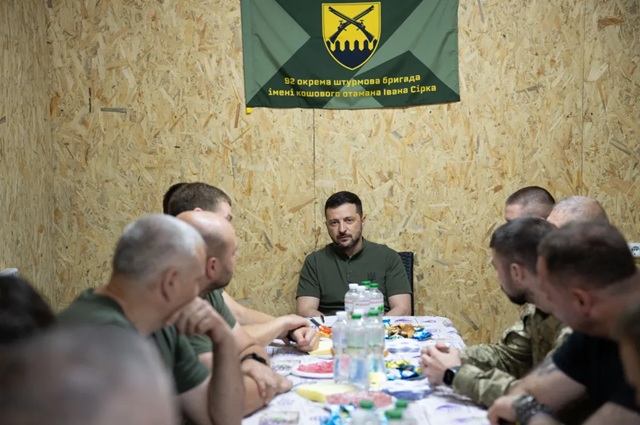
President Volodymyr Zelenskiy issued a stark warning on Friday, saying Ukraine faces a choice between preserving its dignity and freedom or complying with Washington’s demands. He called for national unity and emphasized that he would never betray the country. In response, leaders from Britain, France, Germany, Japan, Canada, Italy, Spain, Norway, the Netherlands, Finland, Ireland, and the EU Commission and Council met to discuss possible approaches, sources said.
While diplomatic discussions unfolded, Ukraine announced that its representatives would hold talks with senior U.S. officials in Switzerland to explore ways to end Russia’s full-scale invasion, now entering its fourth year. A statement from the Ukrainian presidency stressed that Ukraine would never obstruct peace but would firmly defend the legitimate interests of its people and the foundations of European security.
Trump’s ultimatum to Zelenskiy, delivered on Friday, set a Thursday deadline for approval of his 28-point plan, adding that if Ukraine rejected it, “they should just keep fighting.” Trump recalled a previous Oval Office meeting with Zelenskiy, insisting that the Ukrainian president “doesn’t have the cards” in negotiating. U.S. Vice President JD Vance echoed concerns about the feasibility of victory through additional U.S. aid or sanctions, calling it a “fantasy” to believe Ukraine could prevail without compromise.
Russian President Vladimir Putin described the plan as a potential basis for resolving the conflict but may object to parts that require Moscow to withdraw from occupied areas. Zelenskiy prepared the Ukrainian population for difficult decisions in a national address, emphasizing that the country would fight to safeguard its dignity and freedom while navigating the pressures of international diplomacy.
The unfolding diplomatic standoff underscores the intense pressure on Kyiv as Western leaders attempt to balance support for Ukraine with efforts to pursue a negotiated end to the war, highlighting the complexities of global coordination in the midst of an enduring conflict.