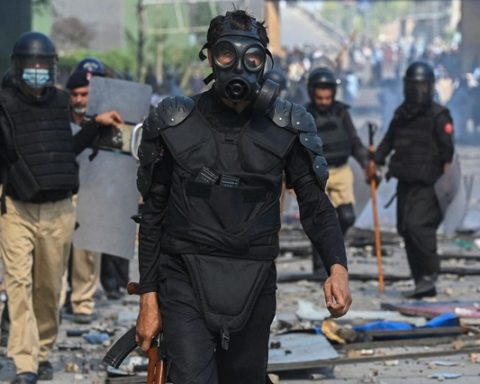
Pakistan’s northwest faces a sustained security challenge, with Bannu district at the centre of this pressure. The area borders Afghanistan, where militant networks exploit terrain, tribal linkages, and cross-border movement. A joint police and security forces operation on 29 January 2026 reflects this reality. Police sources confirmed that three terrorists were killed during coordinated action in the Domel, Asparka, and Akbar Ali Khan localities. Several others were injured, while surviving fighters fled. Security units launched follow-up searches across surrounding villages, and commanders pledged to restore order across the district.
Such operations did not emerge in isolation. Bannu has experienced repeated attacks in recent years. Police records from 2025 list 134 assaults on stations, checkpoints, and patrol teams. Twenty-seven police officers lost their lives, while fifty-three militants were killed during armed exchanges. These figures reveal the scale of the threat. The violence follows a clear pattern: militants target symbols of state authority, and police respond with force.
The political context is significant. Khyber Pakhtunkhwa sits on Pakistan’s western edge, where governance gaps emerged after decades of conflict across the border. The merger of former tribal districts created new administrative demands. Police presence expanded into areas with limited infrastructure, and militants targeted this transition. These attacks aimed to weaken public confidence in the state’s reach.
Economic pressure compounds insecurity. Bannu hosts displaced families from previous military operations, placing strain on local labour markets. Youth unemployment remains high. Militants exploit these conditions through financial incentives and intimidation. Security officials interviewed for this report describe money as a key recruitment tool used by banned outfits, with funds flowing through informal channels linked to cross-border networks.
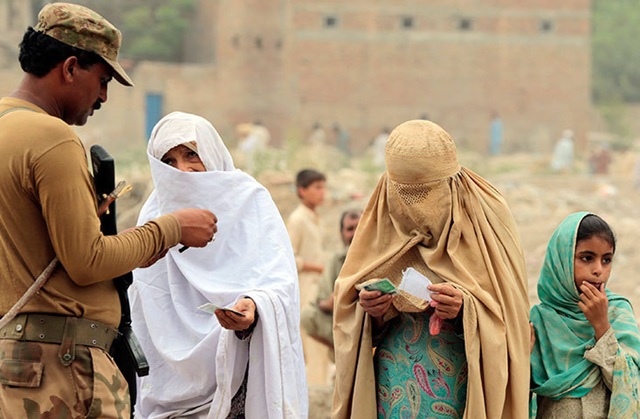
Social dynamics also play a role. Extended families span the Durand Line, and movement across mountain passes persists despite fencing efforts. Militants exploit these ties. Local elders report pressure from armed groups seeking shelter and supplies. Refusal brings threats, while acceptance invites police scrutiny. Civilians remain trapped between fear and loyalty.
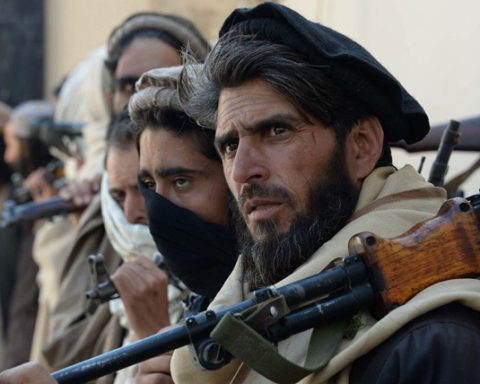
The Pakistani Taliban, known as the TTP, underpins much of this violence. Security assessments link recent attacks in Bannu to commanders based inside Afghan territory. Pakistani officials cite intercepted communications and movement trails as evidence. Afghan authorities reject these accusations and urge Pakistan to resolve its internal issues. However, ground evidence contradicts such claims. Militant sanctuaries across the border enable planning and regrouping, with fighters crossing into Pakistan after training and rest. Border fencing has reduced movement but has not ended infiltration. Afghan soil continues to host camps beyond Pakistan’s reach. Diplomatic engagement has failed to halt this trend, leading security planners to treat Afghan territory as a hostile rear base.
Pakistan’s response follows a layered strategy. Police lead urban and semi-urban operations, while military units provide intelligence and logistical support. Intelligence agencies map militant networks and financial flows. The 29 January operation reflects this model, with police units engaging first and security forces sealing escape routes. Coordination limited civilian harm. Experts from Islamabad-based think tanks emphasise police primacy, noting that counterterrorism in settled districts requires local law enforcement leadership, supported by military capabilities. This approach preserves constitutional order and strengthens police legitimacy through visible success.
Data supports this assessment. Districts that sustained joint operations recorded reduced attack frequency after six months. Bannu saw fewer large-scale assaults in late 2025 compared to mid-year peaks. Targeted raids disrupted militant cells, while arrests followed intelligence-led operations rather than random sweeps.
Afghanistan’s role remains central. Pakistani diplomats raised concerns through bilateral channels, and similar messages were delivered at regional forums. No structural shift followed. Afghan authorities lack effective control over eastern provinces, while some factions maintain ideological alignment with the TTP and others seek leverage against Pakistan.
This environment has pushed Pakistan towards unilateral measures. Border management has expanded, surveillance technology has improved, and additional checkposts have been established along infiltration routes. Critics raise humanitarian concerns, but security planners point to casualty figures among police ranks as justification. Local voices echo this stance. Peace committee members in Bannu were targeted earlier this month, resulting in the deaths of four members. Militants viewed community cooperation as betrayal, silencing civic resistance. Police protection for volunteers has now become part of the broader strategy.
Economic stabilisation offers long-term relief. Development projects in Bannu focus on roads, markets, and vocational centres, with provincial officials linking employment opportunities to reduced militant recruitment. Funding remains limited due to national fiscal pressures, while donor support depends on sustained security improvements. Education also plays a role. Madrassa oversight has been tightened across Khyber Pakhtunkhwa, and curriculum reforms aim to counter extremist narratives. Police officials report lower youth involvement in districts with active monitoring, though progress requires time and resources.
Media framing influences outcomes. Responsible reporting avoids panic and builds trust through accurate data, while sensationalism serves militant objectives. State institutions urge factual coverage grounded in verified sources. The 29 January operation signals resolve, with police leadership framing it as part of a sustained campaign rather than an isolated event. Search operations continue, arrests remain likely, and intelligence units monitor cross-border movement.
Pakistan’s security challenge in Bannu stems from geography, history, and external interference. Afghan territory shelters hostile actors, while local vulnerabilities provide entry points. The state’s response combines force, reform, and development.
Success depends on persistence. Police require equipment and training, border policy demands firmness, and diplomatic engagement needs clarity backed by evidence. Community support depends on protection and economic opportunity. The state carries the responsibility to protect its citizens, and police and security forces operate under the law. Recent operations demonstrate coordination and restraint. Militants face pressure from multiple angles. Bannu represents a frontline, and stability there signals strength across Khyber Pakhtunkhwa. Continued action affirms sovereignty, while peace demands vigilance, resources, and unity.