The Trump administration is setting its sights on revitalizing American shipbuilding with an ambitious industrial strategy designed to enhance the nation’s maritime strength. The initiative, expected to be formalized through an executive order, marks the most significant push in this sector since the mass production of Liberty ships during World War II.
The strategy, as reported by the Financial Times, aligns with a broader geopolitical vision, particularly in the Arctic, where Russia and China have expanded their naval activities. The administration views maritime dominance as a critical element of securing strategic control over the Western Hemisphere, an approach reminiscent of historical great-power struggles. The move comes amid heightened global maritime risks, including piracy, underwater cable sabotage, and conflicts in the Black Sea and Red Sea.
A key aspect of the plan involves bolstering America’s icebreaker fleet, a long-standing priority for Trump. Although the U.S. has not built an icebreaker in over 25 years, efforts initiated during Trump’s first term, later finalized under the Biden administration, have laid the groundwork for new polar cutters. Trump aims to accelerate these efforts during a potential second term.
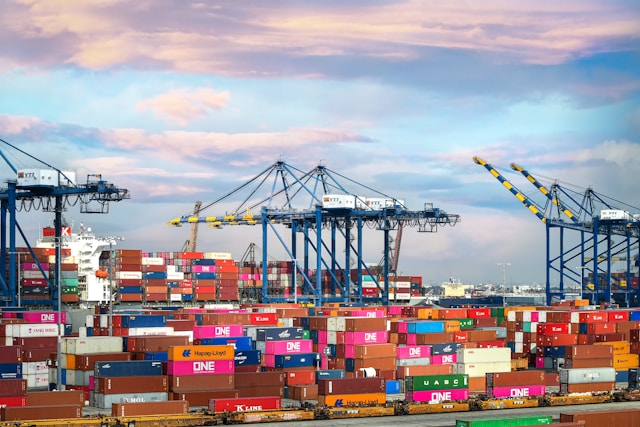
Beyond military needs, the administration seeks to strengthen commercial shipping, an area where the U.S. lags significantly. America currently operates just 185 ocean-going commercial vessels, compared to China’s 5,500. This disparity raises concerns about Beijing’s ability to disrupt U.S. supply chains and military logistics in a conflict scenario.
To address these challenges, Trump’s strategy merges military and commercial shipbuilding efforts, a shift from previous policies that separated the two. “This new office aims to reform procurement, boost demand, and remove barriers to U.S. shipbuilders’ competitiveness—giving them the confidence to invest in the industry’s long-term future,” said Ian Bennitt, a senior director at the National Security Council.
The approach echoes China’s state-driven industrial strategies, emphasizing government-backed incentives and market interventions. A leaked draft of the executive order outlines measures such as port fees on Chinese vessels, a Maritime Security Trust Fund offering tax credits and grants, and targeted trade sanctions to support domestic shipbuilders. The initiative will also require collaboration with allies, including South Korea, Japan, Finland, and Canada.
Trump’s commitment to this initiative will be tested, particularly in managing alliances. His remarks suggesting that Canada should become the 51st U.S. state before accessing American icebreakers raised eyebrows, though sources indicate that cooperative efforts under the ICE Pact remain unaffected by trade disputes.