On October 7, 2023, Israel launched a full-scale war on Hamas, vowing to destroy the group entirely. Prime Minister Benjamin Netanyahu declared Hamas’s annihilation as Israel’s primary war objective, and months later, the Israeli military has inflicted devastating losses. Hamas’s leadership has been decimated, its battalions dismantled, and thousands of its fighters killed. Yet, despite these blows, Hamas remains intact, continuing to operate and govern Gaza. Its survival is not just a stroke of luck but the result of strategic preparation, adaptability, and Israel’s reliance on aerial bombardment rather than a comprehensive counterinsurgency plan.
Hamas was well-prepared for Israel’s response to October 7. The group stockpiled weapons, food, and supplies long before the war began, anticipating an Israeli ground invasion. Its extensive tunnel network—some of which remains operational—allowed fighters to relocate, avoid attacks, and shelter from airstrikes. When Israel focused its offensive in the north, Hamas fighters moved south. When the Israeli Defense Forces (IDF) shifted their assault to the south, Hamas returned to areas like Jabalia and Shejaiya, forcing Israeli troops to retake the same ground multiple times. Even in the heart of Israel’s offensive, Hamas was able to run a mini-state in central Gaza, an area initially bypassed by Israeli forces. In al-Mawasi, a designated civilian refuge in the south, Hamas exerted control over aid supplies, ensuring that it remained the key power broker in a war-torn landscape.
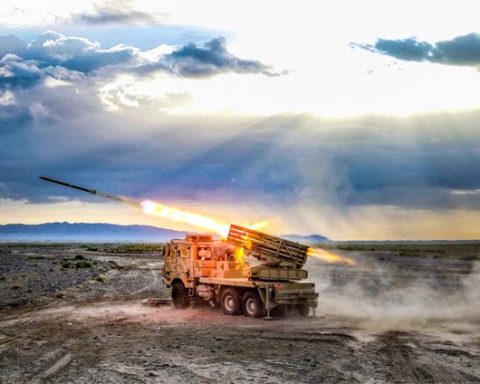
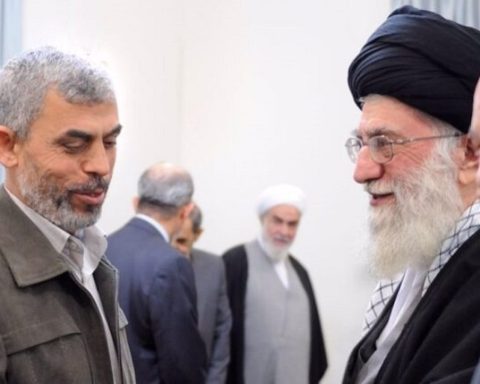
Despite relentless Israeli bombardment, Hamas maintained its ability to fight. Its weapons production, particularly short-range rockets and mortars, continued even as Israel targeted its manufacturing sites. While Israeli intelligence identified and destroyed some of Hamas’s supply routes, Iranian-supplied Russian and Chinese weapons, including RPGs and sniper rifles, still found their way into Gaza. Iran remained a key financial and military backer, but Hamas also generated its own revenue, seizing international food aid and selling it within Gaza. By doing so, it reportedly raised close to a billion dollars—an astonishing feat for a group under siege.
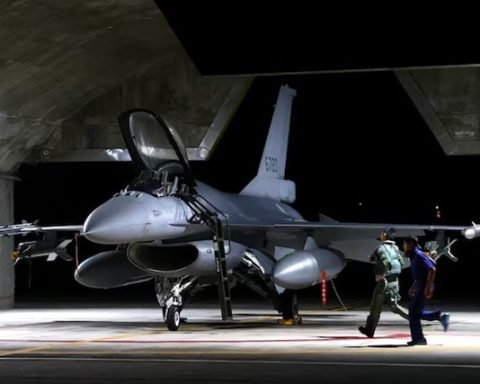
Israel’s military strategy, while effective in eliminating Hamas leaders and fighters, has struggled to uproot the organization itself. The IDF relied heavily on airstrikes, targeting Hamas operatives wherever they re-emerged. However, airpower alone has rarely been enough to destroy insurgencies. Hamas understood this well and embedded itself within civilian infrastructure, using schools and hospitals as bases, knowing that Israeli strikes would lead to civilian casualties and international condemnation. The IDF could have pursued a more traditional counterinsurgency approach, one that involved securing and holding territory, allowing civilians to return, and building stability. This strategy would have required a long-term commitment of troops and resources—something Israel was unwilling to risk as it faced multiple threats on other fronts, including Hezbollah in Lebanon and Palestinian militants in the West Bank.
The long-term outlook remains uncertain. Hamas has suffered, but it has also adapted. Despite losing thousands of fighters, it has recruited nearly as many, as former U.S. Secretary of State Antony Blinken warned. Gaza’s population of 2.3 million, over half of whom are under 18, provides a vast pool of potential new recruits. Hamas’s ability to regenerate is not just a result of external support but also a consequence of Israel’s military strategy, which has failed to fully dismantle the group’s presence and influence.
Israel’s war on Hamas has reshaped the battlefield but not eliminated its enemy. Hamas still governs Gaza, still arms itself, and still commands the loyalty of thousands. For a terrorist organization, mere survival in the face of a superior military force is a victory. Almost a year and a half into the war, Hamas is bloodied but unbroken, and Israel’s greatest challenge remains unanswered: how to truly defeat an enemy that refuses to die.