Editorial
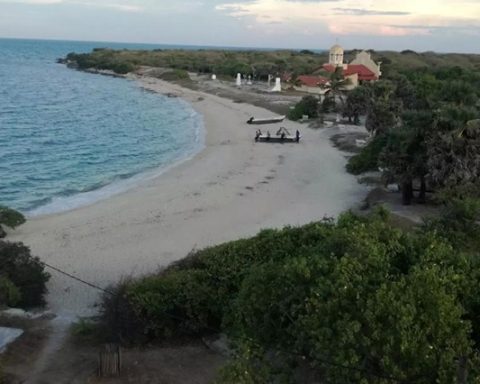
Sports are a science, and cricket is no exception. Those who understand the science would never abuse it, for it is a realm where integrity and sanity must prevail. The delicate balance of skill, strategy, and spirit that defines cricket deserves respect, transcending the game itself. Yet, in Sri Lanka, the sport that once united us as a nation has become a mere commodity, exploited by those who once wore its colours. Cricket, for many of these so-called heroes, has degenerated into a tool to fulfil selfish desires—whether material, financial, or egotistical. This degradation is embodied in their recent disgraceful appeal to Indian Prime Minister Narendra Modi for the construction of a cricket ground in Jaffna.
The issue is not the request per se but the moral bankruptcy that underpins it. These men, once hailed as national icons, have transformed into pitiable figures of opportunism. Their actions are driven not by any desire to enhance Sri Lankan cricket or invest in future talent but by an insatiable thirst for wealth, power, and recognition. They have completely abandoned the principles of sportsmanship and national responsibility. To now beg a foreign leader for basic infrastructure is nothing short of an embarrassment, exposing their failure to support their own country’s sporting future.
As Albert Schweitzer once said, “Sports is not just a game; it’s a test of character.” Yet the cricketers who once personified this character now stand as stark opposites—embodying not discipline and honour, but the very opposite: greed and self-indulgence. The noble ideal of sport has been corrupted by their selfish pursuits. Cricket, a sport that once carried immense pride and integrity, has been reduced to a means of exploitation.
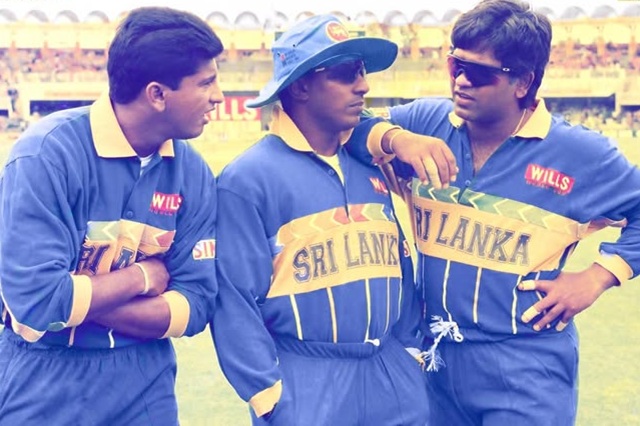
The 1996 World Cup victory was a defining moment for Sri Lanka. It elevated the country’s global stature, generating a national pride that crossed borders. For a brief period, these cricketers were more than athletes; they were symbols of hope, unity, and achievement. Yet, over time, it has become painfully clear that those hailed as national heroes did little to sustain the sport’s growth or to reinvest in the country that made them famous. Rather than leaving a legacy of excellence, they squandered their influence on ventures that served no purpose beyond their personal gain.
What is most tragic is that some of these men, once proud symbols of Sri Lanka’s cricketing prowess, have distanced themselves entirely from both the sport and the people who once revered them. Their post-cricket careers have not been about uplifting others or contributing to the sport; they have been about building empires for themselves, indulging in luxuries, and pursuing scandalous ventures. At no point did they think to use their fame to help foster the next generation of Sri Lankan cricketers, or invest in the infrastructure that is sorely lacking.
Cricket, in its truest form, is a science—a delicate art requiring dedication, precision, and a sense of purpose. To abuse it is to undermine the very values that make it a force for good. However, for many of these cricketers, the sport was simply a stepping stone to wealth and status. They used cricket as a tool to propel themselves into higher echelons of society and wealth, betraying the very essence of the sport in the process. The words of the great C.L.R. James resonate here: “What do they know of cricket who only cricket know?” These men may understand the mechanics of the game, but they have lost its soul—they have failed to grasp that cricket is about more than runs and wickets; it is about integrity, service, and commitment to one’s country.
In contrast to the opportunistic behaviour of most of their peers, Roshan Mahanama continues to embody the true spirit of cricket. Mahanama has consistently used his platform to benefit the underprivileged, and his advocacy for social change reflects a deep understanding of cricket’s power to transform lives. While others have indulged in excess and self-interest, Mahanama has remained focused on using cricket as a force for good. His legacy, built on hard work and a commitment to the sport’s true values, stands in sharp contrast to the greed and negligence of his former colleagues.
Yet, for the majority of Sri Lanka’s World Cup-winning team, their legacy is defined by neglect, opportunism, and self-interest. These men, who once wore the national colours with pride, have succumbed to the temptations that should have been beneath them. Their appeal to Prime Minister Modi for a cricket ground in Jaffna is not merely a sign of desperation; it is a symptom of a wider rot within the cricketing establishment. These former heroes, once admired by millions, have become parasites, seeking external solutions for problems that they, with their vast resources and influence, should have solved themselves.
It is a national disgrace that these men, who once stood as symbols of Sri Lanka’s cricketing excellence, have fallen so far from grace. They have shown little interest in developing infrastructure within their own country, and now, in their fading years, they turn to foreign leaders for help. Their request for assistance from Narendra Modi is not just embarrassing; it underscores how far they have strayed from the ideals of self-reliance and national pride. Had they truly been committed to the sport and to Sri Lanka, they would have used their influence to create opportunities for young cricketers, to build the much-needed infrastructure, and to elevate the game to new heights. Instead, they have squandered their opportunity to leave behind a legacy of meaningful change.
After the 1996 World Cup, Sri Lanka’s cricketing heroes had the chance to build something greater than themselves. They had the opportunity to create world-class training academies, sports universities, and facilities to nurture future generations of cricketers. Yet, they chose instead to chase personal wealth and indulgence. For them, cricket became nothing more than a vehicle to fulfil their own desires.
As Sir Winston Churchill once said, “We make a living by what we get, but we make a life by what we give.” These cricketers, in their relentless pursuit of self-interest, have failed to give anything of lasting value to the nation that once adored them. Their legacies are not marked by contributions to the sport or society but by scandal, exploitation, and neglect.
The request for a cricket ground in Jaffna may seem innocuous on the surface, but it is a microcosm of a larger, more troubling issue: the abandonment of national responsibility by Sri Lanka’s former cricketing heroes. These men have become shadows of their former selves, using their fame to exploit and manipulate rather than to build and inspire. Their legacy is one of shame, not heroism. It is time for Sri Lanka to recognise the true heroes—the ones who continue to serve the game, the nation, and the people with integrity and honour. It is time to reclaim the spirit of cricket—not as a tool for personal gain but as a force for national renewal.