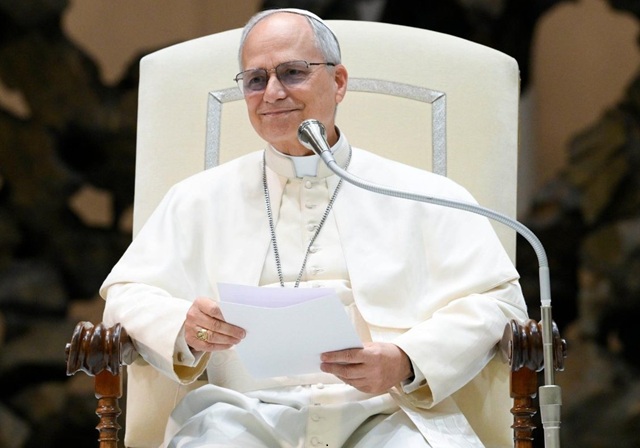
In a striking departure from his predecessor’s more cautious approach, newly elected Pope Leo XIV has offered vocal support for Ukraine and endorsed a Western-backed 30-day ceasefire, as reported by the Financial Times. The move signals a new chapter in Vatican diplomacy and comes just days after his election as head of the Catholic Church.
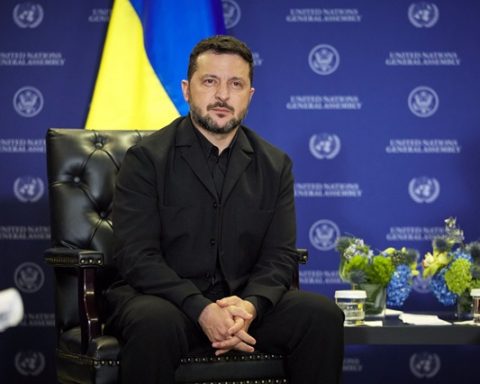
Ukrainian President Volodymyr Zelenskyy announced on Monday that he held a “very warm and truly substantive” phone call with the pope, thanking him for his “supportive and just” words and inviting him to visit war-torn Ukraine. The Vatican confirmed the call but did not release further details.
Pope Leo’s statement over the weekend expressed solidarity with the people of Ukraine and condemned the ongoing Russian aggression. “I carry in my heart the sufferings of the beloved Ukrainian people,” he said. “May all the prisoners be freed and may the children return to their families.” His words mark a distinct tonal and policy shift from Pope Francis, who during his tenure sought to maintain a neutral position and often faced criticism for implying moral equivalency between Kyiv and Moscow.
The Financial Times noted that Francis, following Russia’s full-scale invasion in 2022, repeatedly refrained from directly naming Russia as the aggressor. His suggestion that NATO had provoked the war and his controversial advice last year that Ukraine “should have the courage to wave the white flag” drew widespread condemnation from Ukrainians and allies.
By contrast, Leo XIV — previously a bishop in Peru — had denounced the war as “imperialist” back in 2022 and accused Russia of committing “crimes against humanity.” His election has reignited hopes among Ukraine’s Catholic community and broader civil society that the Holy See will take a stronger role in advocating for justice and peace.
“We really feel that Pope Leo XIV will be the pope of peace for the long-suffering, war-torn Ukraine,” said Sviatoslav Shevchuk, head of the Ukrainian Greek Catholic Church.
A key focus of the pope’s conversation with Zelenskyy was the plight of nearly 20,000 Ukrainian children reportedly abducted by Russian forces. According to a Financial Times investigation last year, many of these children were taken early in the invasion, issued false identities, and put up for adoption in Russia. The International Criminal Court has issued arrest warrants for Russian President Vladimir Putin and Maria Lvova-Belova, his commissioner for children’s rights, over their alleged involvement in the scheme.
Zelenskyy expressed hope that the Vatican, under Leo’s leadership, could help secure the children’s return. “Ukraine counts on the Vatican’s assistance in bringing them home to their families,” he said.
Pope Francis had attempted to mediate during his papacy, sending Cardinal Matteo Zuppi on humanitarian missions to Moscow, but those efforts saw limited results. The Vatican has acknowledged that “a certain number” of children were returned, though no specific figures were provided.
In a further sign of shifting Vatican engagement, Leo XIV has endorsed the 30-day ceasefire proposed by Ukraine, which went into effect Monday. Russia, however, rejected the ceasefire and proposed a separate meeting between Putin and Zelenskyy in Istanbul later this week. Kyiv has signaled willingness to participate, but the Kremlin has not confirmed Putin’s attendance.
European Union foreign policy chief Kaja Kallas warned on Monday that Moscow may be stalling, saying Putin was “still playing games” and that further sanctions could follow if Russia refuses the ceasefire.