
In June 2025, the world witnessed the outbreak of a full-scale war between the Islamic Republic of Iran and the Zionist regime of Israel. This conflict, extending far beyond the military sphere, is reshaping political, media, and geopolitical landscapes. At the onset of hostilities, Israel launched a surprise operation targeting several high-ranking Iranian military commanders and scientists. Tel Aviv viewed this act as a significant achievement, anticipating that it would plunge Iran into psychological disarray and delay its response.
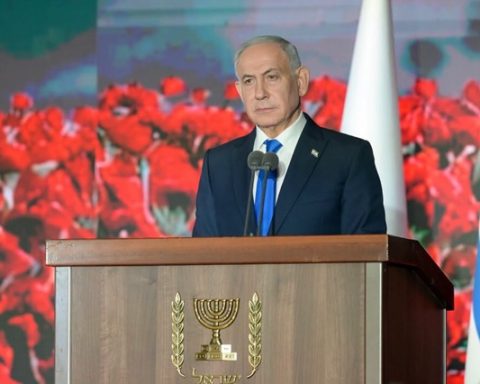
Yet this assumption proved gravely flawed. The Islamic Republic swiftly recovered and, within days, launched a series of unprecedented strikes on key Israeli cities such as Haifa and Tel Aviv. The scale of the damage inflicted on strategic infrastructure suggested a profound disruption to the psychological and political equilibrium, signalling a fundamental shift in the rules of engagement. As the conflict escalated, Prime Minister Benjamin Netanyahu made concerted efforts to draw the United States into the fray. Donald Trump, who initially reacted with sarcasm to reports of Iranian casualties, soon changed his tone, presenting himself as a mediator. This rhetorical pivot reflects not a genuine desire for peace, but rather a growing concern over the conflict’s expanding consequences.
From Tehran’s perspective, the war is not merely a reactionary campaign but a calculated effort to alter the regional balance of power. Iran’s approach suggests a strategic vision aimed at redefining the security architecture of West Asia. Analysts now grapple with a pivotal question: will the war remain confined to regional boundaries, or evolve into a broader global confrontation? The differing positions of nuclear powers from East and West point to emerging global realignments. Nations such as Pakistan, India, China, and Russia view the crisis through their distinct strategic lenses.
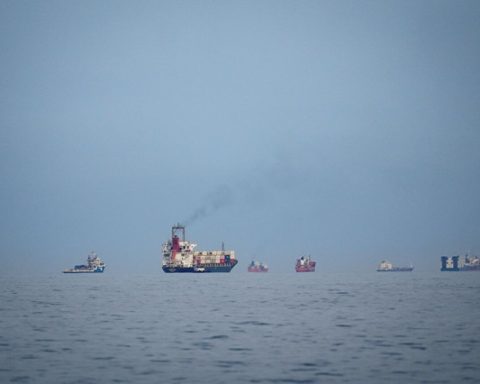
Meanwhile, the geopolitical relevance of chokepoints such as the Strait of Hormuz and Bab al-Mandab has resurfaced, underlining their significance to global trade and international stability. This war increasingly appears to be a confrontation between two competing visions of world order. The liberal, US-centric model—characterised by interventionism, hegemonic ambitions, and asymmetric power structures—is facing unprecedented resistance. In its place, a multipolar order championed by emerging powers is gaining traction.
If this moment is seized wisely by independent states and resistance movements, it could mark a turning point in contemporary political history. The world, once declared to have reached the “end of history”, is now experiencing the return of history—fuelled by the renewed agency of sovereign nations.
Ultimately, to counter imperial interventions and dismantle imposed global frameworks, this war must be understood not merely as an isolated event, but as a transformative juncture in international relations. Resistance today is not limited to a regional force—it is a global discourse that challenges domination. The choice between submission and resistance is no longer Iran’s alone; it is one that history must now resolve.