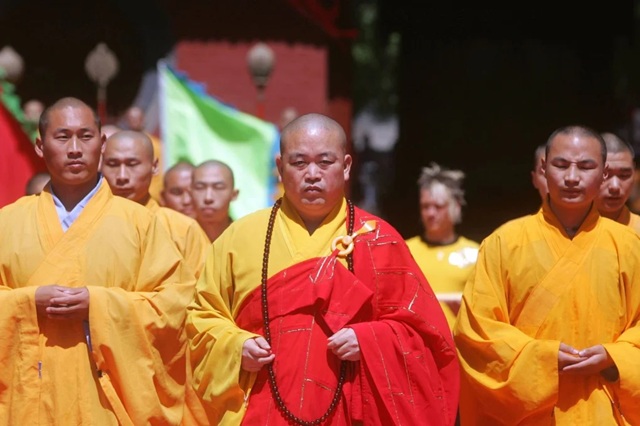
Shi Yongxin, the controversial abbot of China’s world-renowned Shaolin Temple, is under criminal investigation over allegations of embezzlement, abuse of temple assets, and serious violations of Buddhist precepts, the temple confirmed in a statement released Sunday.
The announcement, issued by the temple’s administration, marks a dramatic fall from grace for one of China’s most prominent religious figures and global representatives of Zen Buddhism. According to the statement, Shi is being investigated by multiple government departments for alleged financial misconduct and personal improprieties, including maintaining “improper relationships with multiple women” and fathering illegitimate children.
The temple described Shi’s actions as “serious violations of Buddhist discipline” and pledged to disclose further details to the public as the investigation unfolds.
Located in Henan province at the foot of the Songshan Mountains, the Shaolin Temple is considered the birthplace of Chan (Zen) Buddhism and is widely known as the cradle of Shaolin kung fu. Over the years, it has evolved into both a spiritual sanctuary and a major tourist destination, drawing millions of visitors annually.
Shi Yongxin, 60, has led the temple since 1999 and became known for his aggressive commercialization of the Shaolin brand. With an MBA and a knack for business, he earned the nickname “CEO monk” for turning the temple into a global franchise of martial arts academies, cultural exports, and international projects.
His leadership, however, has long been controversial. In 2006, Shi drew public criticism after accepting a luxury vehicle from local authorities. Nearly a decade later, in 2015, a former disciple accused him of fathering children and misappropriating temple funds — allegations that were never formally prosecuted at the time.
That same year, the temple faced public backlash over a proposed US$297 million development in Australia, which would have included a replica temple, a live-in kung fu academy, and even a golf course. Critics said the project symbolized the excessive commercialization of a sacred institution.
Shi has also held influential roles in China’s official religious bodies. He served as president of the Henan Provincial Buddhist Association since 1998 and was a deputy to the National People’s Congress from 1998 to 2018.
Sunday’s statement has sent shockwaves through China’s religious community and among followers of Buddhism worldwide. For many, the investigation raises serious questions about the intersection of religion, politics, and money in modern-day China — and what it means for the future of one of its most iconic spiritual landmarks.
Authorities have not yet released official charges or confirmed if Shi Yongxin has been taken into custody. The temple said it would continue cooperating with the investigation and reaffirmed its commitment to maintaining religious integrity and public accountability.