Apple Inc. has announced it will close one of its retail stores in China, marking the first such closure in the country since the tech giant entered the market over 15 years ago. The decision underscores Apple’s growing challenges in its second-largest market, where it faces declining sales, intensifying local competition, and mounting geopolitical pressure.
The Parkland Mall store in Dalian’s Zhongshan District will officially shut its doors on August 9, the company confirmed Monday. While Apple attributed the closure to “mall restructuring,” analysts say the move reflects a broader strategic shift as the company adapts to a changing market landscape in China.
Apple currently operates 57 stores in the country, accounting for over 10% of its global retail footprint. However, sales in China have been falling for six consecutive quarters. In 2024, Apple reported $66 billion in revenue from the market — nearly 10% below its 2022 peak.
The company is also losing ground to domestic smartphone brands such as Huawei, Xiaomi, and Vivo. According to research firm Canalys, Apple held a 15% market share in China this spring, slipping from 18% the year prior and ranking fifth overall.
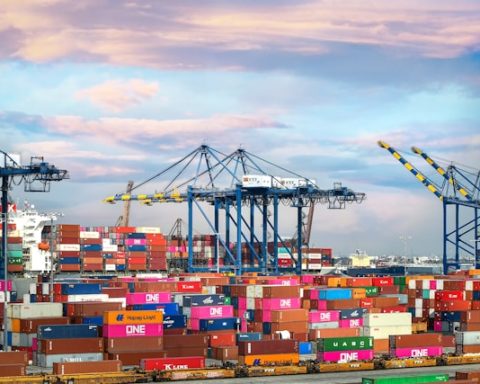
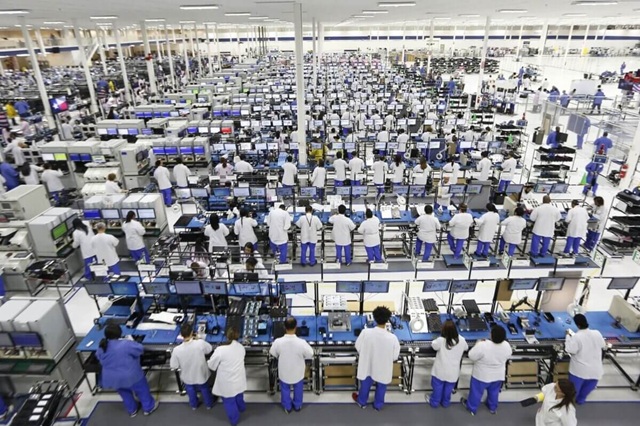
In response to intensifying competition and geopolitical risks, Apple has been gradually relocating parts of its supply chain out of China. The company is increasingly sourcing iPhone production from India and Vietnam in a bid to mitigate costs and reduce reliance on Chinese manufacturing hubs like those operated by Foxconn.
Trade tensions between the US and China have further complicated Apple’s position. After a series of escalating tariff measures earlier this year — including a 145% US duty on select Chinese goods and Beijing’s retaliatory 125% tariffs — both sides agreed to a temporary truce during a recent three-day summit in Stockholm aimed at easing economic friction.