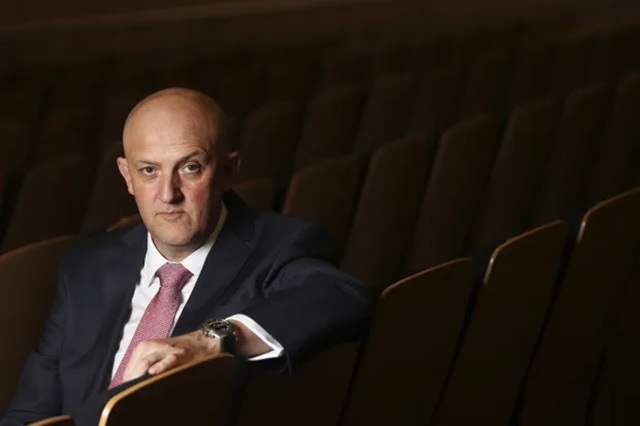
Australia is facing a growing and costly threat from foreign espionage, with spies “aggressively” targeting sectors from rare earths and Antarctic research to advanced science and even horticulture, according to Mike Burgess, the head of the Australian Security Intelligence Organisation (ASIO). Speaking on Thursday, Burgess revealed that espionage cost the Australian economy an estimated A$12.5 billion (US$8 billion) in 2024 — the first time such a figure has been publicly disclosed.
The estimate, developed in collaboration with the Australian Institute of Criminology, includes state-sponsored intellectual property theft and the costs of responding to attacks, but Burgess warned it is likely conservative. “This means the most serious, significant and cascading costs of espionage are not included,” he said, noting that many incidents go undetected or unreported.
ASIO has detected and disrupted 24 major espionage and foreign interference operations in the past three years — more than in the previous eight years combined. Burgess said foreign actors are no longer focusing solely on government or defence targets, but are also infiltrating media organisations, legal firms, commercial investments, universities, and scientific research institutions.
Burgess confirmed that three individuals are currently facing espionage-related charges and issued a stern warning to foreign agents attempting to compromise the Aukus nuclear submarine agreement between Australia, the US, and the UK. “I am confident there could be more if anyone tries to compromise Aukus,” he said, describing the level of foreign interest in the pact as “very unhealthy.”
Countries such as China, Russia, and Iran were named as being “very active” in espionage in the region. Burgess provided anonymised examples of recent incidents, including a cyberattack on a defence firm that resulted in stolen blueprints being used by a foreign state-owned enterprise to produce counterfeit products, costing the company millions in revenue. In another case, a foreign delegate visiting a horticultural facility was caught in a restricted area photographing a rare fruit tree. Though the images were deleted, the delegate smuggled branches out of the country, likely allowing foreign scientists to replicate two decades of Australian research.
Burgess also raised concerns over the use of social media by Australians with access to classified information. Nearly 2,500 individuals were found publicly stating they held security clearances, with about 400 disclosing their involvement in the Aukus project. “This still makes my head spin,” he said, highlighting the ease with which foreign intelligence services can exploit such information.
The intelligence chief emphasized the need for vigilance and collaboration across sectors to protect Australia’s national interests, warning that espionage is becoming more aggressive and increasingly targeting Australia’s innovation and commercial edge.