In the February 8 Lower House election, foreign workers emerged as a central issue for all major parties following a January 23 Cabinet decision calling for 1,231,900 foreign workers by March 2029 to fill acute labor shortages across 19 sectors. While some parties focused on stricter monitoring or quotas, the AI engineer-led Team Mirai offered a radically different solution: using artificial intelligence to reduce dependence on foreign labor.
Founded in May and led by Takahiro Anno, Team Mirai entered the election with no seats and won 11 proportional representation seats, including four in the Tokyo block, three in South Kanto, and one each in Tohoku, North Kanto, Tokai, and Kyushu. The party’s platform emphasizes expanding AI to reshape Japanese society, accepting highly skilled foreign personnel while restricting low-wage foreign labor, and reforming industries currently reliant on technical trainees.
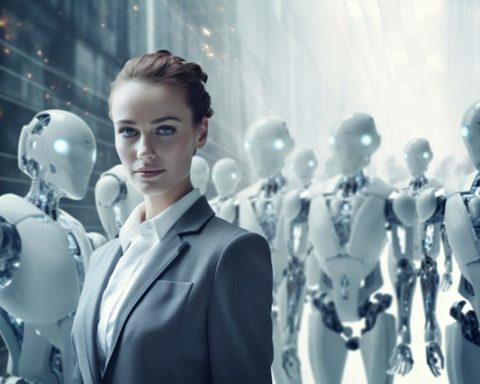
Anno stated that AI has the potential to replace office-based, white-collar work rather than field labor. “Jobs that involve gathering information and providing responses are the areas where AI can work most effectively,” he said, framing AI as a tool to maintain public safety and cultural norms while addressing labor shortages. The party did not specify which sectors might see AI replacements first.
Team Mirai’s push comes amid new regulations announced by Prime Minister Sanae Takaichi’s government, including a 2027 system requiring foreign workers to pass the Japan Foundation Test for Basic Japanese, replacing the controversial Technical Intern Training Program. Japan already hosts more than 2.5 million foreign workers, a record high, with large numbers in manufacturing, wholesale and retail, services, and lodging and food sectors. Vietnamese nationals make up the largest group, followed by Chinese and Filipino workers.
As Japan faces labor gaps and a growing reliance on foreign workers, Team Mirai’s AI-focused approach introduces a controversial debate over whether technology could supplement—or even replace—human labor, reshaping the nation’s workforce and immigration policies for decades to come.