Japan Tobacco (JT) will record a ¥1.4 trillion ($8.9 billion) financial charge after losing management control of its Russian subsidiaries, pushing the company towards a full-year net loss and forcing it to halve its projected year-end dividend. The Japanese tobacco manufacturer announced the impairment after Russian presidential decrees placed all seven of its subsidiaries in the country under temporary administration, preventing the company from exercising its previous control over their operations.
The development has substantially altered JT’s financial outlook. The company now forecasts an operating loss of ¥368 billion, reversing an earlier projection of a ¥1 trillion operating profit. Its revenue forecast has also been reduced by ¥63 billion to ¥3.8 trillion. The financial adjustment follows the removal of the Russian businesses from its consolidated accounts after Moscow’s intervention effectively deprived JT of its management authority.
Although the Russian measures do not formally transfer ownership of the businesses to the Russian state or the temporary administrator, they prevent JT from exercising shareholder rights and making operational decisions as before. The company said it continued to indirectly own 100% of the affected subsidiaries but was required to deconsolidate them under International Financial Reporting Standards (IFRS).
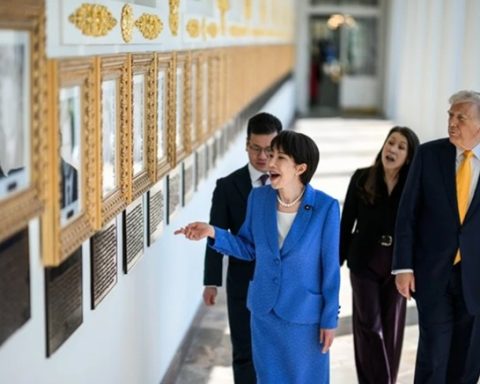
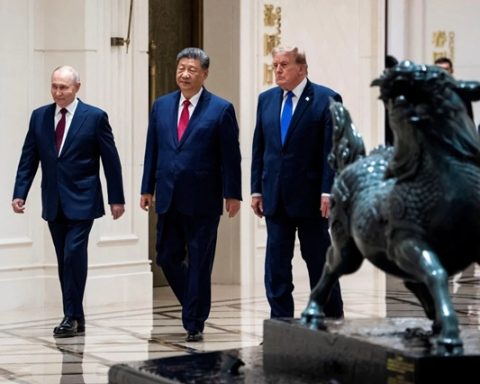
The issue has also become a diplomatic concern for Tokyo. Prime Minister Sanae Takaichi raised Russia’s seizure of foreign-owned assets, alongside the arrest of a Japanese journalist, during a meeting with Russian President Vladimir Putin in China on Wednesday.
JT had continued operating in Russia following Moscow’s 2022 invasion of Ukraine while complying with international sanctions. Russia remained one of its most important overseas markets, accounting for approximately 10% of group sales and a quarter of adjusted operating profit. The company had previously maintained that it retained a strong market position and intended to remain flexible about the future development of its Russian operations.
Chief Executive Takehiko Tsutsui said the company would examine the circumstances surrounding the loss of control and incorporate the lessons into its risk management framework. Speaking at an analyst briefing, he emphasised the need to review the situation and strengthen the company’s approach to managing comparable risks.
Despite the setback, JT intends to maintain its broader business strategy. The company will continue investing in key markets and expanding its reduced-risk product portfolio, including its Ploom range of heated tobacco devices. Excluding Russia, it expects adjusted operating profit to increase by an average of more than 10% annually between 2027 and 2029 on a constant-currency basis.
The financial announcement follows a roughly 25% decline in JT shares since Russia moved against its subsidiaries, erasing almost all the stock’s gains for the year. The development also presents difficulties for the Japanese government because the Ministry of Finance is the company’s largest shareholder. Nevertheless, Naoki Fujiwara, a senior fund manager at Shinkin Asset Management, said the financial impact was broadly in line with market expectations and suggested that removing uncertainty surrounding the Russian operations could produce a more favourable investor reaction.
JT’s response includes a reduction in executive remuneration. Its chairman, deputy chairman and three representative directors will accept a 50% pay cut for two months, while representative directors will forgo their fiscal 2026 executive bonuses. The company has also reduced its projected year-end dividend from ¥136 to ¥68 per share.
Japan Tobacco has operated in Russia since 1999 and employs approximately 4,000 people there, with manufacturing facilities in St Petersburg and Rostov-on-Don. Its position strengthened considerably following its $1.6 billion acquisition of Donskoy Tabak in 2018, giving it approximately 41% of Russia’s combustible-cigarette market.
The intervention forms part of a wider Russian campaign targeting foreign-owned businesses. Since September, Moscow has placed assets belonging to companies including Nestlé, Auchan and Germany’s Metro Cash & Carry under temporary management. The measures have intensified concerns among foreign investors from countries Russia considers unfriendly.
The latest action further complicates relations between Japan and Russia, already strained by Tokyo’s participation in Western sanctions following the invasion of Ukraine and a longstanding territorial dispute. The two countries have yet to sign a formal peace treaty formally ending their state of war from the Second World War.