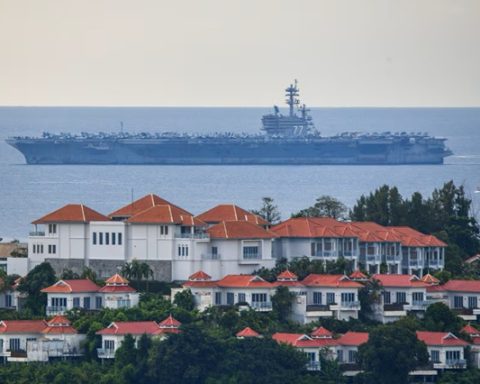
A sharp escalation in geopolitical tensions is driving a global fuel crisis, with gasoline and diesel prices surging across continents in the first quarter of 2026. The crisis has been fueled primarily by conflict involving the United States, Israel, and Iran, culminating in the closure of the Strait of Hormuz, a vital artery for global oil transport. The disruption has removed nearly 20 percent of the world’s petroleum supply from daily markets, pushing Brent crude prices to between $95 and $120 per barrel and adding a significant “war premium” to fuel costs worldwide.
Despite leading global crude production, the United States relies heavily on refining hubs in Asia and the Middle East to convert oil into usable fuels. State-backed giants such as Saudi Aramco, Sinopec, and PetroChina dominate the refining landscape alongside Western firms like ExxonMobil and Chevron. These companies play a critical role in supplying fuel to regions such as Europe and Latin America, which lack sufficient refining capacity and are therefore highly vulnerable to global price shocks.
The global supply chain has become increasingly interconnected, with major producers including China, the United States, Russia, India, and South Korea forming the backbone of fuel production. However, disruptions in the Persian Gulf have forced shipping routes to be rerouted, increasing tanker costs and insurance premiums. State-owned firms such as Abu Dhabi National Oil Company have stepped up efforts to stabilize regional output, while Western companies report record profits amid tightening supply. Meanwhile, a growing practice of “refining arbitrage” has emerged, with countries like India and China importing discounted crude from sanctioned regions and exporting refined products at higher prices to Western markets.
Fuel prices have climbed rapidly in early 2026. Global gasoline prices rose from approximately $1.15 per liter in January to as high as $1.45 by early April. Diesel prices have surged even more dramatically, particularly in parts of Europe where increases of up to 30 percent have been recorded. In the United States, average gasoline prices have reached $4.10 per gallon, with some areas exceeding $5.50, placing significant pressure on household budgets. Efforts by the U.S. government to release 172 million barrels from strategic reserves have provided limited relief, as markets continue to price in the risk of prolonged conflict.
The crisis has affected nations unevenly. Emerging economies such as Cambodia and Vietnam have experienced fuel price spikes of up to 50 percent within weeks, while European countries including the United Kingdom and Ireland are facing record diesel prices. In South America, Chile has seen steady increases since January. In contrast, major oil producers like Russia and Saudi Arabia have managed to shield domestic consumers by maintaining lower internal prices through state controls.
Governments worldwide are deploying a mix of policy responses to mitigate the crisis. Wealthier nations such as China and Türkiye have reduced fuel taxes and implemented price caps to cushion consumers. In countries where subsidies are unsustainable, rationing systems have been introduced. Nations including Sri Lanka and Ethiopia are using digital quota systems to limit fuel purchases, prioritizing essential services while allowing excess consumption at market rates. Additional measures such as remote work mandates and vehicle usage restrictions are being enforced to curb demand.
The ripple effects of the fuel crisis are extending far beyond transportation. Rising energy costs are driving up food prices, with fertilizer and agricultural production expenses pushing staple crops up by as much as 30 percent. Shipping costs have also surged due to increased insurance and fuel expenses, raising the price of imported goods such as medicine and electronics, particularly in developing economies.