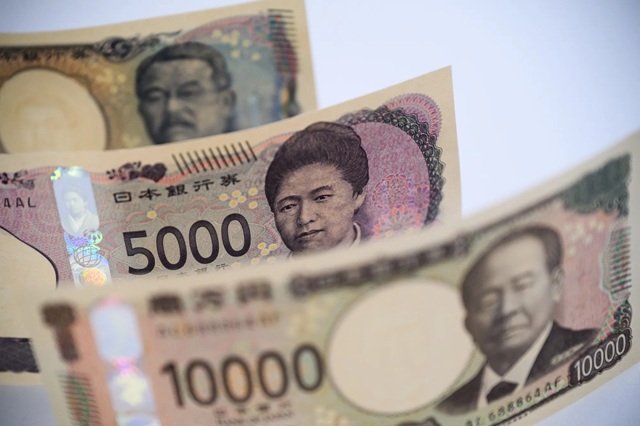
The Japanese yen weakened further on Tuesday as traders continued pushing the currency lower amid the absence of fresh intervention signals from Japanese authorities, though the possibility of a surprise yen-buying move limited the scale of losses.
The yen traded on the weaker side of 162 per US dollar in early Asian trading, remaining close to its lowest level against the British pound since 2007 at 217.09. The currency also declined against the euro, which last traded at 185.47 yen following a 0.5% gain in the previous session.
Analysts said the lack of action from Tokyo after recent market speculation that authorities could intervene again had encouraged traders to resume selling the yen.
“There had been speculation at the end of last week that Japan could intervene again to support the yen during the U.S. holiday when trading conditions were less liquid, but no action has been taken, contributing to the yen giving back some of its recent gains,” said Lee Hardman, senior currency analyst at MUFG.
The yen had gained some support late last week as investors became cautious over the possibility of a change in Japan’s intervention strategy. However, traders said the currency’s sharp rise on Thursday did not appear to be the result of official intervention.
The broader currency market was meanwhile focused on a weakening US dollar as investors reduced expectations of further Federal Reserve interest rate increases this year following weaker-than-expected employment data.
The euro rose slightly to $1.1442, extending gains from the previous session, while the British pound climbed to a more than two-week high of $1.34005 against the dollar. The dollar index, which measures the US currency against a basket of major currencies, stood at 100.86.
Market expectations for Federal Reserve rate hikes have also shifted. Investors are now pricing in around 29 basis points of rate increases by December, down from approximately 38 basis points a week earlier.
Carol Kong, a currency strategist at Commonwealth Bank of Australia, said markets may be underestimating the extent of future US monetary tightening.
“I think current market pricing is probably a little bit underpriced,” Kong said, adding that the Federal Open Market Committee would likely begin tightening policy from December. She said markets appeared to expect an earlier start to rate increases than her forecasts, but the overall scale of hikes remained below her expectations.
Investors are now awaiting the release of minutes from the Federal Reserve’s June meeting for further indications about the central bank’s interest rate outlook.
Kong said the minutes could provide limited guidance, noting that Federal Reserve Chair Kevin Warsh has been reluctant to offer forward guidance on monetary policy.
In other currency movements, the Australian dollar remained stable at $0.6955, while the New Zealand dollar gained slightly to $0.5702.
The yen’s continued weakness highlights the challenge facing Japanese authorities as they seek to prevent excessive currency declines without triggering renewed market volatility. Meanwhile, shifting expectations over US interest rates remain a key driver of global currency movements.