The rapid expansion of artificial intelligence across Asia is driving an equally dramatic surge in electricity demand, forcing governments, energy providers and technology companies to confront an increasingly difficult reality: the infrastructure powering the region’s digital future is relying heavily on one of its oldest and most polluting energy sources. According to a report by the South China Morning Post, coal has emerged as the primary stopgap solution as renewable energy struggles to keep pace with the unprecedented growth of AI-driven data centres.
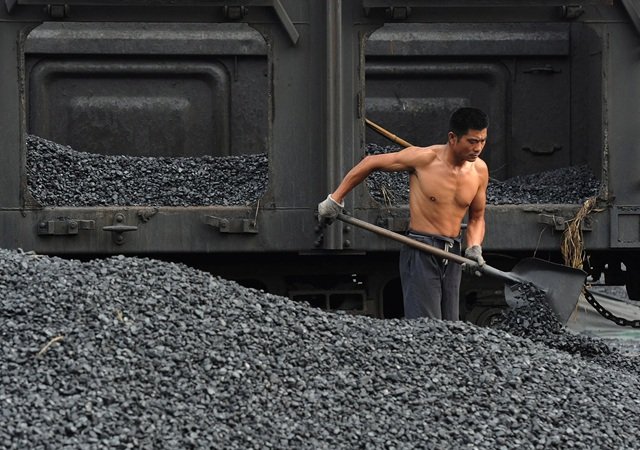
Asia possesses nearly three-fifths of the world’s known coal reserves, making the fuel comparatively affordable, domestically accessible and less vulnerable to geopolitical disruptions than imported oil and natural gas. While governments across the region continue investing in renewable energy, analysts say the immediate demands of artificial intelligence have created an energy gap that existing clean-power infrastructure cannot yet fill.
Artificial intelligence data centres operate continuously, training and running increasingly sophisticated models that require enormous amounts of computing power. Unlike many industrial facilities, these centres cannot tolerate interruptions. Even brief power outages can disrupt operations or erase months of computational work, placing reliability at the centre of energy planning.
Alexander Kheder, a market research analyst at BMI who tracks global AI infrastructure spending and data centre expansion, said AI demand is emerging faster than clean-energy generation can be brought online. Although solar and wind capacity has expanded rapidly, he said those sources are still unable to provide the uninterrupted baseload electricity that large-scale AI facilities require around the clock.
The effects of this transformation are already visible in Malaysia, where Cyberjaya, one of the country’s flagship smart-city developments, has become home to dozens of operating data centres, with more facilities planned. For residents living nearby, the pace of development has raised practical questions about whether essential public infrastructure is expanding quickly enough to support it.
Communications executive Adit Rahim, who lives in the area, said concerns extend beyond the construction itself to the long-term availability of electricity and water. As server farms continue multiplying, he questioned whether utility networks would be able to keep pace with rising demand, warning that constraints in electricity supply would inevitably affect water resources as well.
The pressure is not limited to power generation. Companies supplying critical equipment to AI facilities are also experiencing extraordinary demand. Ali Badreddine, Asia-Pacific vice-president for project delivery and data centre solutions at Johnson Controls, said customers across the region are requesting equipment at a pace the manufacturing sector cannot currently satisfy.
Backup power systems have become indispensable because uninterrupted electricity is essential for AI operations. Badreddine said equipment that previously required only months to deliver now faces waiting periods exceeding two years, adding that manufacturing capacity has struggled to keep up regardless of customers’ willingness to pay.
Industry analysts expect this imbalance between electricity demand and renewable energy supply to persist for several years. Kheder described coal as Southeast Asia’s principal stopgap source for bridging the widening gap until sufficient clean-energy capacity becomes available.
The energy challenge has been intensified by broader geopolitical developments. Asia imports much of its oil and natural gas, much of it transported through strategic maritime routes that have experienced disruption during conflict involving the United States, Israel and Iran. Oil prices have fluctuated sharply during the year, climbing from around US$60 per barrel in January to nearly US$120 during the height of fighting in April before moderating following a June ceasefire. Markets experienced renewed volatility after US President Donald Trump declared the truce over on July 8 following fresh exchanges between the opposing sides.
Natural gas prices have also climbed significantly, contributing to record electricity tariffs in several markets. Singapore has experienced electricity prices approaching 35 Singapore cents per kilowatt-hour, while consumers in the Philippines have increasingly turned toward solar energy amid rising costs. Vietnam has introduced peak-hour electricity pricing to ease pressure on the grid, while Malaysia has maintained relatively stable rates through government subsidies despite growing concerns surrounding future demand.
For major technology companies building AI infrastructure, reliability and speed have become dominant considerations. Ashwin Balasubramanian, a partner at management consultancy McKinsey, said operators typically focus first on how quickly electricity can be secured and whether supplies will remain dependable. Environmental commitments, he said, often become secondary priorities, noting that fewer than 40 per cent of data centres have made formal green-energy commitments and forecasting a short-term rise in fossil-fuel emissions.
Mayank Maheshwari, an energy analyst covering India and Southeast Asia at Morgan Stanley, said policymakers across Asia are primarily focused on ensuring dependable energy supplies. Consumers, he said, consistently favour energy sources that are both affordable and reliable, making coal an attractive option in a region with abundant reserves.
Morgan Stanley projects Asia’s coal consumption will increase by approximately 130 million tonnes by 2030, representing growth of between 8 and 10 per cent. Over the same period, the bank forecasts annual regional energy spending will double, exceeding US$5 trillion across both fossil-fuel and clean-energy investments. The region is also expected to absorb a substantial share of more than 100 million tonnes of natural gas forecast to enter global markets from the United States this year, with analysts anticipating more competitive pricing than Asian importers have faced in recent years.
Not all energy specialists, however, believe the AI boom will permanently reverse the region’s energy transition. Aditya Lolla, interim managing director at energy think tank Ember, argued that building a new generation of coal-fired power plants would represent an expensive response to what may prove to be a temporary surge in electricity demand. Given the years required to develop new coal facilities, he said many projects would only become operational after current AI-related demand pressures have eased.
International Renewable Energy Agency data also points toward the growing competitiveness of clean energy. The agency reported that more than 90 per cent of utility-scale renewable energy projects commissioned globally last year generated electricity at lower costs than the least expensive new fossil-fuel alternatives. In Indonesia, Thailand and the Philippines, renewable generation has already displaced an estimated US$5.7 billion in coal and gas imports.
Joe Phelan, executive director for Asia-Pacific at the World Business Council for Sustainable Development, said renewable energy has become the most cost-competitive source of new electricity generation in many markets and is increasingly the preferred procurement choice for major technology and industrial companies.
Regional differences nevertheless remain significant. Singapore, facing limited domestic energy resources, has increasingly pursued renewable electricity imports through partnerships with Indonesia and Australia. Michael Goh, vice-president and general manager for Asia-Pacific and other regions at Iron Mountain Data Centres, said his company has focused on improving efficiency while recovering waste heat from liquefied natural gas regasification processes to reduce additional pressure on electricity and water resources.
Attention is also returning to the Association of Southeast Asian Nations’ long-discussed integrated regional power grid, designed to enable countries to share surplus clean electricity across borders. Ali Nami, director and energy lead at specialist consultancy TBH, said Southeast Asia’s energy transition has entered a new phase in which regional coordination could play a decisive role in delivering reliable electricity for rapidly expanding digital infrastructure. As AI investment continues accelerating across the region, the balance between energy security, infrastructure expansion and long-term power planning remains at the centre of Asia’s evolving energy landscape.