China’s top intelligence official has warned that artificial intelligence is creating new national security risks and becoming a major arena of strategic competition between global powers, calling for stronger safeguards and international governance of the rapidly developing technology.
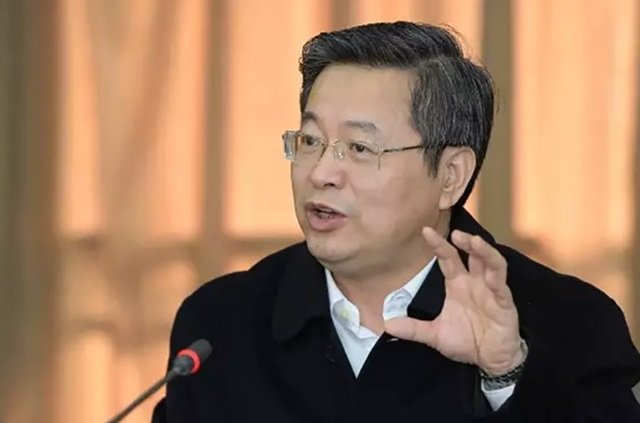
Chen Yixin, China’s state security minister, said AI had become “a new arena for strategic rivalry among major powers” in an article published on Sunday by China Cyberspace, a journal operated by the Cyberspace Administration of China. His warning comes as Beijing seeks a greater role in shaping global AI governance while opposing US restrictions on Chinese technology.
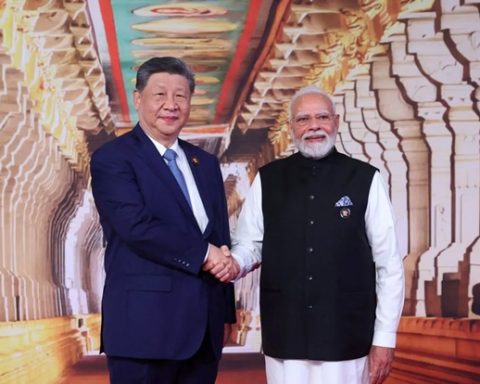
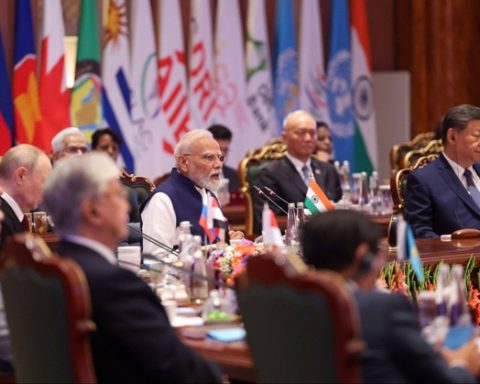
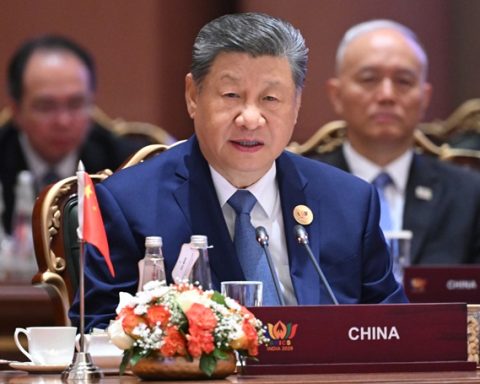
The comments also come as China promotes AI cooperation among emerging economies. At the Brics summit in India over the weekend, Chinese President Xi Jinping proposed an AI-powered initiative aimed at supporting new industrialisation and strengthening supply-chain cooperation among Brics members.
Chen urged China to maintain security boundaries while taking advantage of the opportunities created by AI. He warned that the technology could have a systemic effect on ideological security, including through its potential use by “hostile forces” to generate rumours and mass-produce harmful information.
Critical information infrastructure could also face heightened risks, he said. Chen argued that advances represented by next-generation US-led models such as Anthropic’s Claude Mythos and OpenAI’s GPT-5.5-Cyber could substantially reduce the technical barriers and costs involved in carrying out cyberattacks.
The risks, Chen said, extend beyond sophisticated state-sponsored operations. He warned that foreign intelligence agencies were using smart web crawlers, data mining and profiling technologies to obtain sensitive information, including critical state data, business secrets and personal information.
Domestic users could also inadvertently contribute to security breaches by processing sensitive information through foreign AI tools. Chen specifically warned that viral open-source AI agents such as OpenClaw contained structural vulnerabilities that could potentially permit remote control of devices and the leakage of sensitive data.
Chen also raised concerns about the global concentration of AI capabilities. He accused dominant technology powers of widening the development gap by restricting access to technology through entity lists and technology controls, monopolising industry standards and developing closed-source ecosystems.
Although he did not identify specific countries, the remarks reflected the wider strategic rivalry between the United States and China over AI development. Washington has openly said it cannot allow China to overtake it in the field, while US Treasury Secretary Scott Bessent warned on Tuesday that if the United States lost the AI race to China, “nothing else would matter”.
The competition has already extended beyond AI models to chips, investment, market access and the movement of technical talent, as Washington imposes restrictions on Chinese industries across several fronts.
Against this backdrop, Chen called for stronger early-warning systems and public advisories to expose attempts by foreign actors to use AI for espionage, theft of state secrets, disinformation and strategic containment against China.
He also called for resistance to “hegemonism, technological barriers, and exclusive blocs” and urged the creation of a “fair and open international AI rules system”.
Beijing is seeking to advance that approach through multilateral institutions. In July, 29 countries, including Russia, Kazakhstan, Laos, Pakistan and Indonesia, signed an agreement in Shanghai establishing the China-backed World AI Cooperation Organisation. The organisation aims to help Global South countries strengthen technical capacity and develop a global AI governance framework that takes account of differences in national policies.