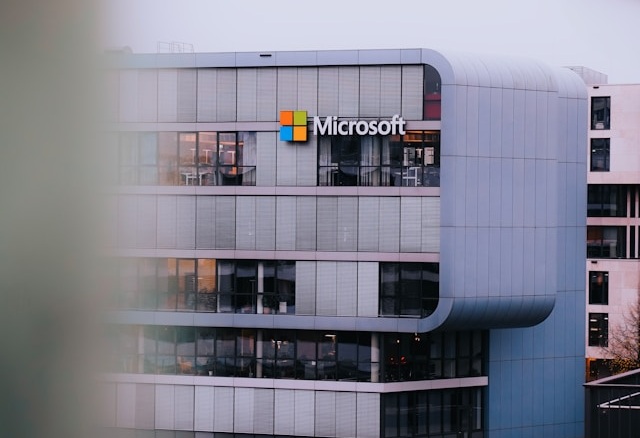
Microsoft is offering voluntary buyouts to about 60,000 employees across the United States, Canada, India and the United Kingdom as the software company seeks to manage rising costs associated with its artificial intelligence infrastructure expansion.
The programme is available to eligible employees at experience level 70 or below, according to a person familiar with the matter. The offer covers approximately 27% of Microsoft’s global workforce of 223,000 people. Employees must decide whether to accept it in early December, with those participating scheduled to leave the company on 31 December.
The initiative comes as Microsoft increases investment in data centres to meet demand for AI computing and provide cloud services to companies including Anthropic and OpenAI. The company said in July that capital expenditure for the September quarter would exceed $50 billion, compared with $34.9 billion in capital spending and finance leases during the same quarter a year earlier.
The scale of the investment has added pressure to the company’s finances as it seeks to balance the infrastructure required to support AI services with the need to maintain capital efficiency. Microsoft is also working to ensure that its workforce and spending priorities align with its evolving business strategy.
The new offer follows the company’s first voluntary retirement programme, announced in April and limited to a section of its US workforce. About 7% of US employees were eligible for that initiative. Microsoft subsequently announced plans in July to cut 4,800 jobs.
Amy Coleman, Microsoft’s executive vice-president and chief people officer, said the latest programme was intended to give employees greater flexibility during the company’s transformation.
“The Voluntary Exit Offer reflects an important part of how we’re evolving our approach to change: creating greater flexibility and, where possible, more ways for employees to shape their next chapter,” Coleman wrote in a memo to staff. She said the programme built on lessons from the voluntary retirement initiative introduced earlier in the year.
Unlike the earlier programme, which was available to employees at senior director level and below, the new offer extends to higher levels, including vice-presidents, according to the person familiar with the arrangements. More than 30% of employees eligible for the earlier retirement programme accepted it, Microsoft said in July.
The company has not set a target for the number of employees it hopes will take the latest offer. Some marketing, sales and engineering teams have decided not to participate, the person said.
Microsoft’s workforce changes are taking place alongside a broader shift in its business model, with the company increasingly seeking to charge customers according to their actual use of AI services. It has also introduced AI tools for programmers, sales staff and supply chain workers, reporting measurable results from their use.
The strategy is intended to position Microsoft for new growth opportunities while preserving its financial strength. In the second quarter, the company reported $19.64 billion in positive free cash flow, down 23% from a year earlier. Alphabet and Amazon, two major cloud competitors, both reported negative free cash flow during the same period.
Microsoft is scheduled to report its third-quarter results on Wednesday, providing investors with an updated view of its financial performance as spending on AI infrastructure and changes to its workforce continue.