


Ecuadorian Catholic priest Patricio Alfredo Sánchez Molinari was killed when a heavy crucifix and a statue of Jesus Christ fell from the wall behind the altar during a livestreamed Mass at the


Sirisena Amarasekara is a Sri Lankan public servant and diplomat. He is the former Sri Lankan High Commissioner to South Africa, Mozambique, Namibia, Zambia, Zimbabwe, Lesotho, Angola, Botswana, and Eswatin. He had functioned as the secretary to the Prime Minister on two occasions, and as the secretary to the Cabinet of Sri Lanka. Having completed more than 50 years of public service, Amarasekara is one of the most senior Sri Lankan public servants.
Ecuadorian Catholic priest Patricio Alfredo Sánchez Molinari was killed when a heavy crucifix and a statue of Jesus Christ fell from the wall behind the altar during a livestreamed Mass at the
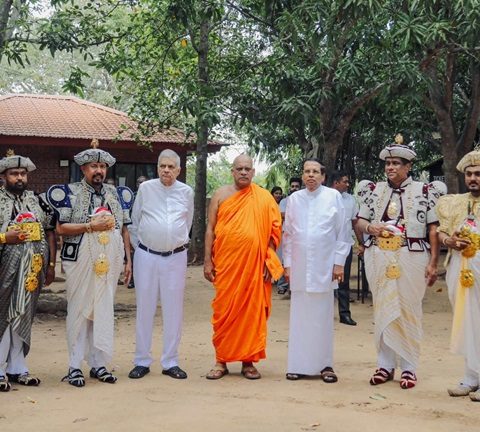
Former Sri Lankan president Maithripala Sirisena has acknowledged a procedural error in the granting of a presidential pardon to Galagoda Aththe Gnanasara Thero, saying the relevant documents were not submitted to the Ministry of Justice and Prisons for approval before
Former president Ranil Wickremesinghe has called for stronger cooperation among Theravada Buddhist nations, declaring Anuradhapura a sacred centre for Buddhists across Asia. Highlighting centuries
Brazilian President Luiz Inacio Lula da Silva and right-wing Senator Flavio Bolsonaro traded accusations of lying and corruption in their first presidential run-off debate

Click here to read Part Four of this series 5.1 Introduction The concept of rural development through city-centred regional development, discussed above, is to build from the present status of rural development
More
Read Part Three of this series 4.1 Turning point. Since independence, our development policies have been inconsistent. Policymakers who occasionally take the reins of governance think they are smarter than their predecessors;
More
Most rural areas get semi-urbanized self-spontaneously by establishing shops along main roads as ribbon development and almost all road junctions as small townships (Kada-Mandiyas) to provide daily needs to the rural community.
More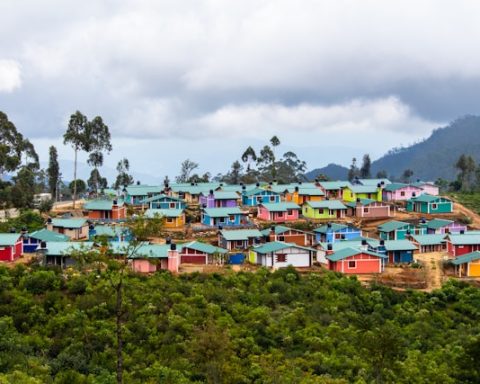
Click here to read the part two of this series 2.1 Rural Development Initiatives Undertaken Parallel to industrialization and economic growth, urbanization is a global trend. In contrast, Sri Lanka remains a
More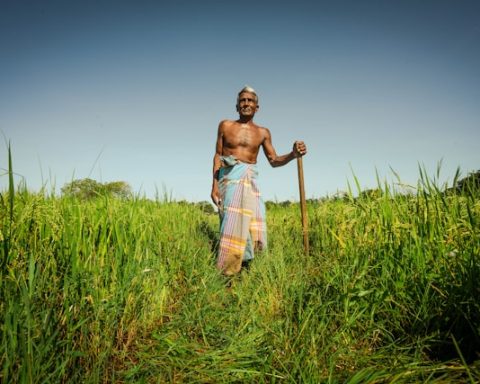
Introduction – The Concepts of Urban Development and Rural Development 1.1 Background The concept of rural development as a primary means of alleviating poverty in developing countries has been enthusiastically adopted
More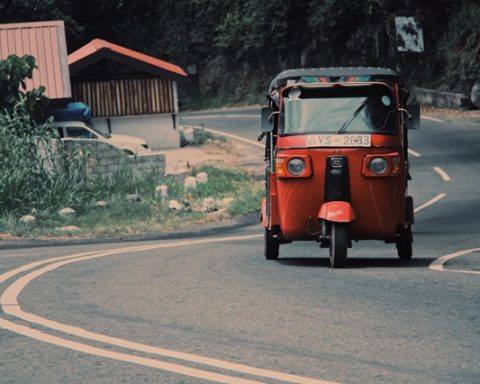
Irrespective of being rural or urban, everybody prefers the convenience of urban facilities. In a developed economy, the unit cost of goods and services is affordable to its citizens, and export-oriented products
More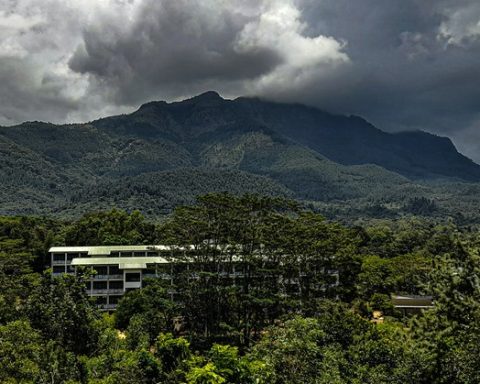
Though spatial planning is essential, it has received extremely low priority in Sri Lanka. Also, there have been issues of concern about the management of spatial development programmes and projects that have
More
2.1 Sri Lanka’s Unique Human Geography Sri Lanka is a small country with a population of 22 million and a land area of 65,610 sq. km. Comparing population size with other nations,
More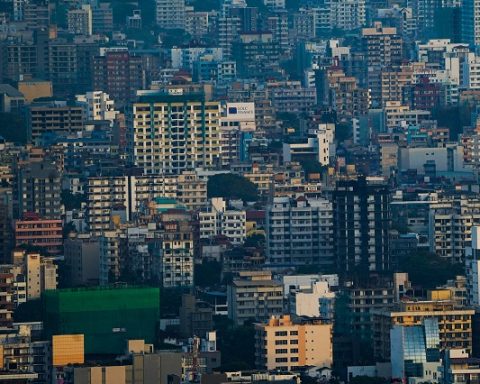
The Background 1.1 National Development and Planning There are many definitions and explanations for national planning and national development. However, “national development” refers to the improvement in all aspects, including the country’s political,
More
Click here to read the fourth part of this series Some people in the vulnerable group, such as neglected or abundant older adults, disabled, beggars, street children, drug addicts, street dwellers, etc.,
More
Click here to read the Third Part of this series Self-employment Self-employment would be an answer for people with high-demand skills, such as carpentry, masonry plumbing, electrical works, etc. People in those
More
Click here to read the Second Part of this series The IMF prescription of direct cash grants for the poor may work satisfactorily if the poor segment is small. It may be
More Click here to read the part one of this series Though the terminology was not used, Sri Lanka had paid attention to poverty alleviation since the pre-independent era, much before the initiatives
More
This series engages in a thorough exploration of strategies to alleviate poverty, critically examining the limitations of previous plans implemented by successive governments in Sri Lanka. It aims to propose a comprehensive
More
Click here to read Part One of this series. Limited land Resource As Sri Lanka is a county with highly diversified agroecological zones and two main cultivation seasons, most crops cultivated in
More