


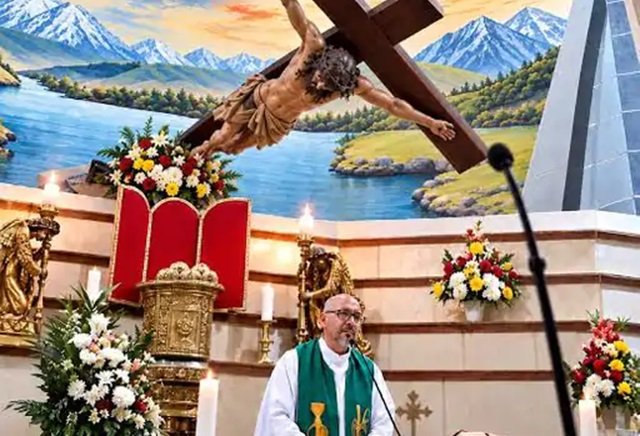
Ecuadorian Catholic priest Patricio Alfredo Sánchez Molinari was killed when a heavy crucifix and a statue of Jesus Christ fell from the wall behind the altar during a livestreamed Mass at the

Vijay Prashad is an Indian historian, editor and journalist. He is a writing fellow and chief correspondent at Globetrotter. He is an editor of LeftWord Books and the director of Tricontinental: Institute for Social Research. He is a senior non-resident fellow at Chongyang Institute for Financial Studies, Renmin University of China. He has written more than 20 books, including The Darker Nations and The Poorer Nations. His latest books are Struggle Makes Us Human: Learning from Movements for Socialism and (with Noam Chomsky) The Withdrawal: Iraq, Libya, Afghanistan, and the Fragility of U.S. Power.
Ecuadorian Catholic priest Patricio Alfredo Sánchez Molinari was killed when a heavy crucifix and a statue of Jesus Christ fell from the wall behind the altar during a livestreamed Mass at the
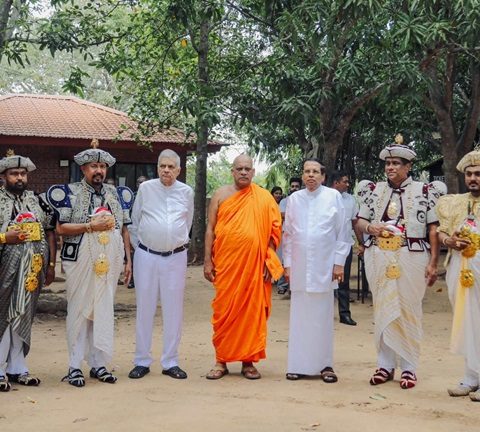
Former Sri Lankan president Maithripala Sirisena has acknowledged a procedural error in the granting of a presidential pardon to Galagoda Aththe Gnanasara Thero, saying the relevant documents were not submitted to the Ministry of Justice and Prisons for approval before
Former president Ranil Wickremesinghe has called for stronger cooperation among Theravada Buddhist nations, declaring Anuradhapura a sacred centre for Buddhists across Asia. Highlighting centuries
Brazilian President Luiz Inacio Lula da Silva and right-wing Senator Flavio Bolsonaro traded accusations of lying and corruption in their first presidential run-off debate
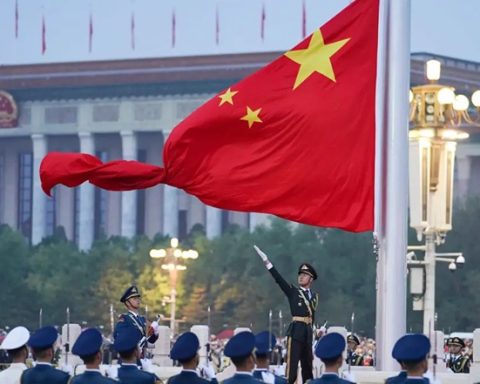
The fires of war burn from Palestine to Ukraine and from Sudan to Iran, demoralising billions of people around the world who suffer from the inferno and inflation. There seems to be
More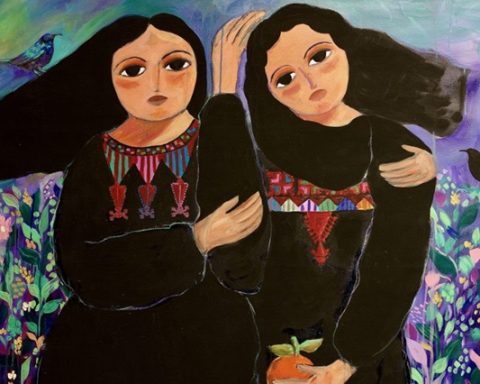
From Gaza’s shattered sanitation systems and devastated economy to forced displacement in the occupied West Bank, this account examines the enduring human cost of Israel’s military campaign and occupation. It also exposes
More
Lula remains the principal obstacle to the return of this project to the presidency. His defeat would affect workers and peasants throughout Brazil, but also the possibilities for regional cooperation and an
More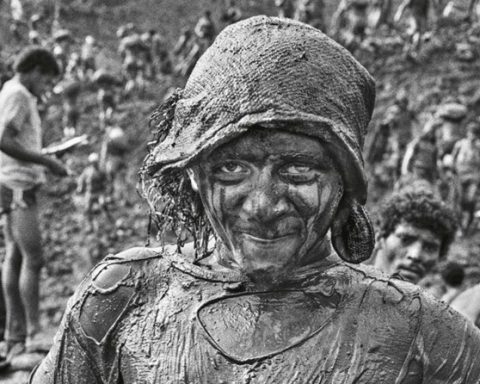
Greenland reveals the Trump Corollary in its most naked form. Far from an empty white space as it is often portrayed, this Inuit society of roughly 57,000 people has a long history
More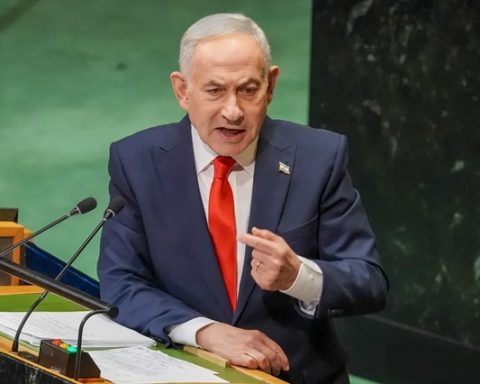
When Benjamin Netanyahu rose to address the United Nations General Assembly on September 24, the rows of empty seats spoke before he did. Diplomats walked out, while others stayed away from the
More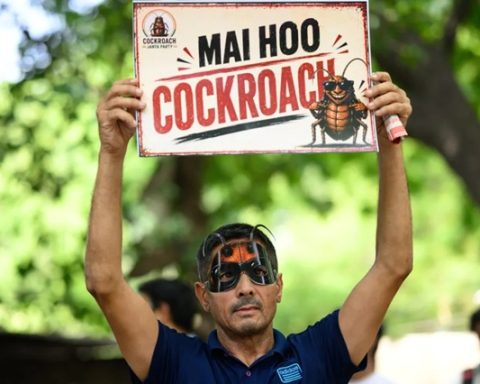
Over the past two years, young people around the world have taken to the streets. From Kenya to Nepal, Indonesia to the Philippines, from Madagascar to Morocco, and in Peru, they rise
More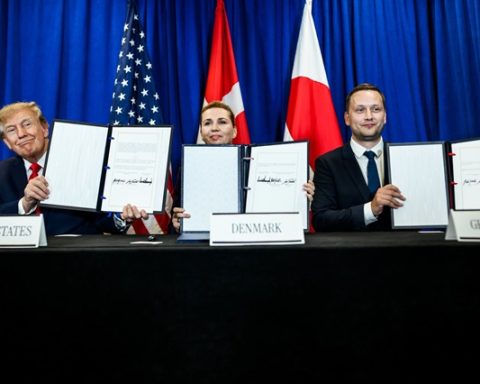
The Greenland dispute has moved beyond Trump’s rhetoric about buying territory. His demands for US ‘ownership and control’ have raised a deeper question about whether a great power can claim strategic rights
More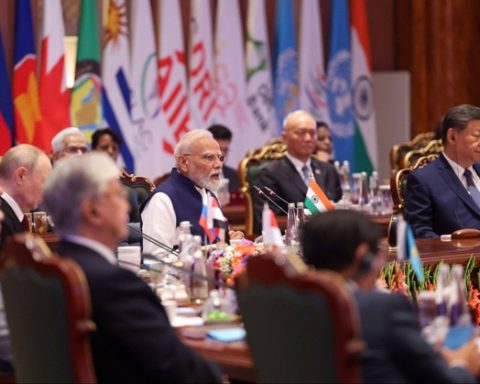
The 18th BRICS Summit, held in New Delhi on September 12–13, occurred amid an exceptional intensification of international contradictions. Wars in West Asia, unilateral sanctions, tariff barriers, and the weaponisation of finance and
More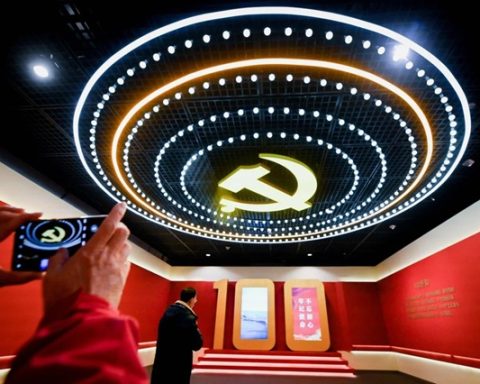
In 1960, the US economist Walt Whitman Rostow published The Stages of Economic Growth: A Non-Communist Manifesto. The subtitle revealed the book’s purpose. Rostow did not merely describe economic development; he offered an
More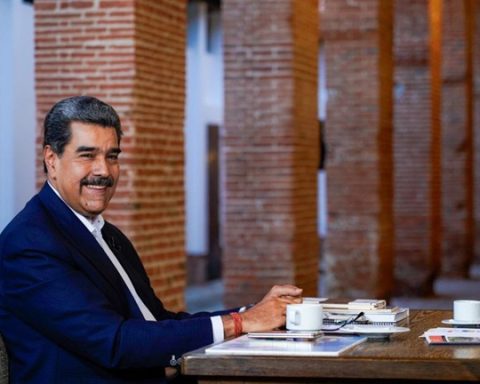
Venezuelan President Nicolás Maduro is innocent. This is a statement of law and fact, since Maduro has not been convicted of any crime. He has pleaded not guilty to every charge brought
More
On 2 September, fragments from a US missile tore through the roof of a wedding celebration in Kuhestak, in Iran’s southern county of Sirik. Four people were killed, including a child, and
More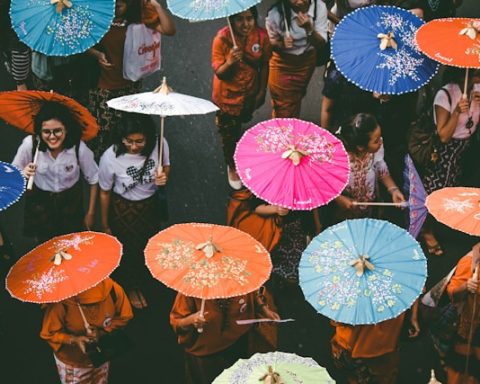
For forty years, the countries of the Global South were told that economic planning was an error. The state was to retreat, tariffs were to fall, public firms were to be privatised,
More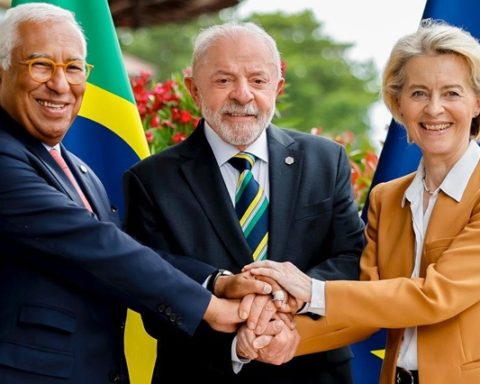
In Minaçu, in the northern part of the Brazilian state of Goiás, the landscape bears the scars of an earlier mineral rush. For decades, the town depended on the Cana Brava asbestos
More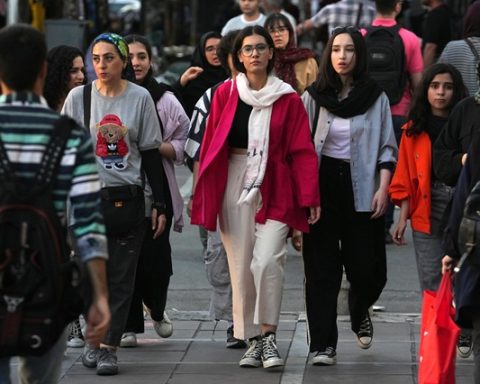
The gravest danger in the present war is not that Iran has already decided to manufacture a nuclear weapon. There is no verified evidence of such a decision. The danger is that
More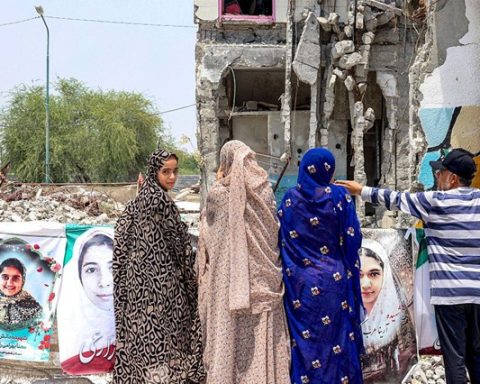
The United States and Israel launched a war of aggression against Iran in February of this year. For six months, US missiles and bombs have fallen upon civilian and military targets inside
More