Bangladesh has cancelled a $21 million defense contract with India’s state-owned shipbuilder Garden Reach Shipbuilders and Engineers Ltd (GRSE), signaling a further deterioration in relations between the two South Asian neighbors.
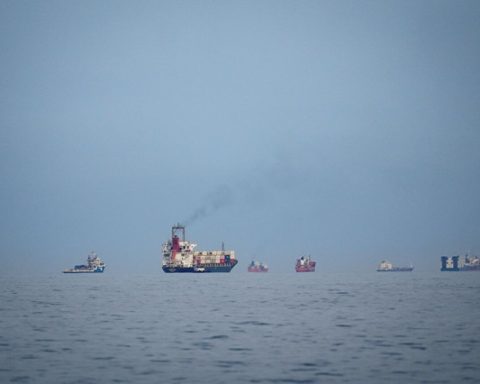
The contract, signed in July 2024, involved the construction of an advanced ocean-going tug for the Bangladesh Navy, a vessel intended for deep-sea towing and salvage operations. GRSE, a defense public sector undertaking under India’s Ministry of Defence, confirmed the cancellation in a stock exchange disclosure on May 21.
Although GRSE described the move as the result of “mutual discussions” with the Bangladesh government, the timing and broader diplomatic context suggest deeper tensions. According to GRSE, the financial impact is minimal, with the cancelled order comprising just 0.8% of its ₹22,680.75 crore ($2.7 billion) order book as of March 2025.
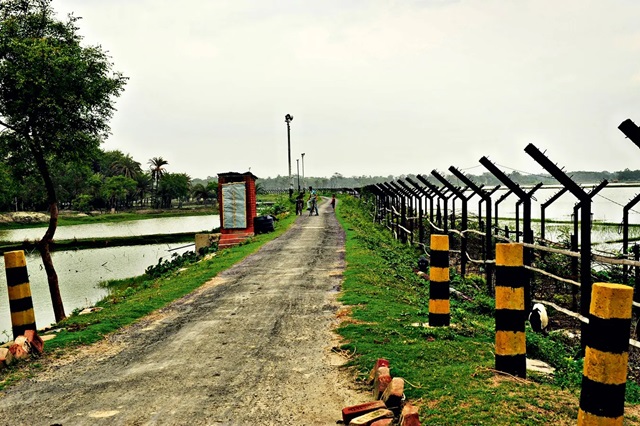
However, observers say the cancellation is emblematic of worsening ties between New Delhi and Dhaka. Analysts cited by Business Standard believe the decision may be retaliatory, coming days after India imposed new trade restrictions on Bangladeshi goods. On May 18, India tightened controls at several Integrated Check Posts along its northeastern border, disrupting exports of ready-made garments and processed foods—key revenue sources for Bangladesh.
Earlier, India had withdrawn a key transshipment facility that had allowed Bangladeshi goods to access third-country markets via Indian territory, a move that Dhaka viewed as economically punitive.
The tug contract, while relatively modest in scale, had symbolic importance as a marker of India-Bangladesh defense collaboration. Its termination underscores a shift in diplomatic tone following the ouster of Sheikh Hasina’s government in August 2024. The interim government that replaced her administration has taken a more assertive foreign policy stance, including banning the Awami League—Hasina’s party—under anti-terrorism laws in April, citing national security concerns.
Trade friction has further intensified. Despite being India’s largest trading partner in South Asia in fiscal year 2024, Bangladesh has seen its exports to India throttled. New Delhi has restricted Bangladeshi garment imports to select ports and blocked consumer goods at 11 land ports. In response, Bangladesh suspended yarn imports from India in mid-April, disrupting supply chains in both countries’ textile sectors.
This escalating tit-for-tat threatens to unwind years of growing economic and strategic cooperation. The tug deal was initially hailed as part of a broader effort to deepen defense ties and build regional maritime resilience. Its abrupt cancellation is being seen as more than a contractual matter—it is a barometer of fraying trust.
GRSE, meanwhile, continues to secure new contracts domestically. On May 22, it announced that it had emerged as the lowest bidder for the Indian Navy’s Next Generation Corvette (NGC) program. The Kolkata-based shipbuilder has delivered 111 warships to India and allied navies, including anti-submarine and missile corvettes.
As regional dynamics evolve and political alliances shift, the unraveling of even modest defense agreements may point to a more fundamental recalibration of South Asia’s strategic architecture.