When temperatures in Delhi cross the 40-degree mark, the city begins to function differently. Streets turn into heat traps, nights offer little relief, and daily life becomes an endurance test shaped by electricity access, shade, and water. What was once considered peak summer has now become a prolonged crisis, as heatwaves stretch longer and intensify across the capital. The impact is not uniform; instead, it deepens existing inequalities, dividing the city into zones of survival and zones of comfort.
For thousands of homeless families living under flyovers, near railway stations, and along footpaths, the heat is not just uncomfortable but punishing. Thin sheets laid over scorching concrete become beds that absorb and radiate heat throughout the night. Temporary shelters made of plastic sheets, torn cloth, and banners offer little protection from the relentless sun. In places like East Delhi and around major transport hubs, families struggle to find even a few hours of relief as concrete surfaces remain hot well into the night, turning sleep into a fragile and interrupted experience.
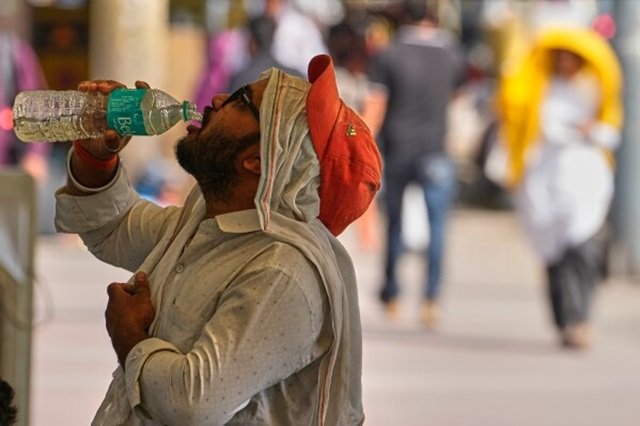
The burden is equally severe for construction workers, delivery riders, loaders, and street-level informal workers who keep the city running. On building sites across areas such as West Delhi and other rapidly developing zones, labourers carry bricks, cement, and iron rods under direct sunlight. Metal tools become burning surfaces by afternoon, and workers often wrap wet cloth around their heads or take short breaks under makeshift tin sheds. Yet, missing work means losing wages, leaving no real choice but to continue despite exhaustion and risk of heatstroke.
Healthcare professionals report a steady rise in heat-related illnesses as dehydration becomes widespread. Patients arrive with symptoms ranging from dizziness and weakness to breathing difficulties and full-blown heatstroke. Public hospitals in Delhi have been witnessing increased emergency cases during peak heatwave days, with doctors warning that delays in treatment can turn heatstroke fatal. The situation is worsened by rising nighttime temperatures, which prevent the body from recovering from daytime stress.
A stark contrast defines life for office workers and residents of gated communities. In corporate offices, government buildings, malls, and private institutions, air-conditioners run continuously, insulating people from the external environment. In housing societies across areas like Dwarka and Kondli, daily routines shift indoors during afternoons, with parks becoming empty and children avoiding outdoor play. For these groups, the heat translates mainly into higher electricity bills and occasional travel discomfort rather than direct physical exposure.
This divide is also visible in the city’s power consumption. On May 21 this year, Delhi recorded a peak power demand of 8,231 MW, the highest ever for that date and nearly triple the demand recorded five years earlier. Officials note that air-conditioning alone accounts for a significant share of this surge. While the system struggles to meet rising demand, uninterrupted electricity remains a privilege that determines how comfortably different groups experience the same extreme weather.
Water scarcity adds another layer of inequality. In several neighbourhoods of East Delhi, residents wake up unsure whether supply will arrive on time or last through the day. Some store extra water in anticipation of shortages, while others rely on tankers or limited supply hours. At construction sites and roadside stalls, workers like Sunita carry frozen water in the morning, only to find it warm within hours. Vendors in busy markets such as Okhla manage water not just for drinking but also for preserving vegetables and washing produce, often sacrificing their own hydration to save stock.
Street vendors and informal workers across the city adapt in small but crucial ways. In wholesale markets and roadside setups, plastic sheets and metal roofs trap heat, making working conditions even harsher than open streets. Many sprinkle water over vegetables to prevent wilting, while others depend on shopkeepers, public toilets, or nearby community spaces for refilling bottles. These informal arrangements form an invisible support system that helps sustain daily life but does not eliminate the underlying hardship of working in extreme heat.
Public health warnings have become routine as authorities urge citizens to stay hydrated and avoid peak afternoon exposure. Yet for those whose livelihoods depend on being outdoors, such advice is difficult to follow. Recent reports from hospitals in Delhi and surrounding regions like Noida and Ghaziabad indicate a rise in heatstroke cases, with doctors cautioning that the situation could worsen if temperatures remain high. Red alerts in neighbouring districts underline the regional scale of the crisis.
Environmental experts argue that rapid urbanisation has intensified the problem by replacing natural surfaces with heat-retaining concrete and reducing green cover. The result is a city that stores heat during the day and releases it slowly at night, preventing cooling cycles. This phenomenon affects everyone, but its consequences are shaped by class and occupation, making heat not just an environmental issue but also a social one. The same sun, they note, produces vastly different realities depending on access to cooling, water, and shelter.
For domestic workers travelling across neighbourhoods like Vikaspuri and Kondli, the day is a constant shift between extremes. Inside homes with air-conditioning, conditions may feel manageable, but travel between houses exposes them to suffocating outdoor temperatures. Many report dizziness, fatigue, and dehydration as they move from one workplace to another. Similarly, workers in kitchens, security guards, rickshaw pullers, and parking attendants describe how even basic coping mechanisms like fans or coolers lose effectiveness during peak afternoon heat.
Across Delhi, volunteers and residents have begun setting up stalls offering chilled water to commuters and labourers, providing small but essential relief. Yet these efforts exist alongside a broader reality in which survival depends on economic stability. For daily wage workers, taking a break is not an option when income is tied to each day’s labour. As temperatures continue to rise, the capital’s heatwave has become more than a seasonal challenge; it has turned into a mirror reflecting the deep structural inequalities that define urban life.