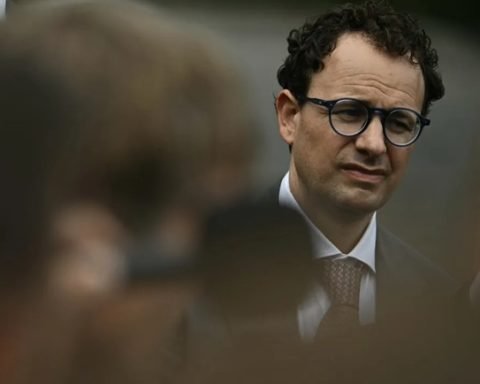
Iranian Foreign Minister Abbas Arachi has accused foreign intelligence agencies and terrorist groups of orchestrating deadly violence during weeks of protests across Iran, claiming that initially peaceful demonstrations were deliberately transformed into armed unrest aimed at destabilizing the country. Speaking to foreign diplomats in Tehran this morning, Arachi presented what he described as documented evidence of foreign involvement, asserting that CIA and Mossad operatives, alongside ISIS elements, infiltrated the protests to provoke bloodshed and chaos.
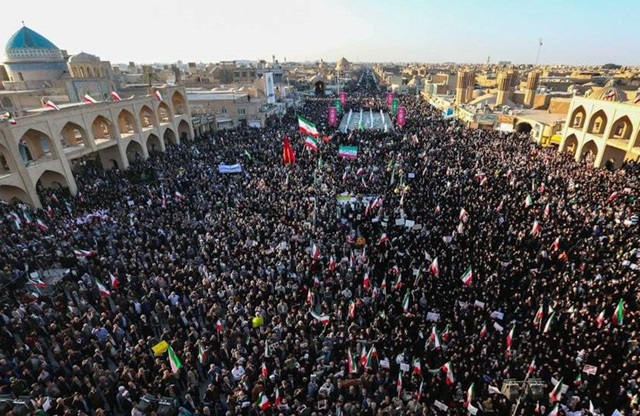
Arachi explained that the protests began in late December as peaceful demonstrations driven by economic hardship. He said the government acknowledged the legitimacy of these grievances and responded by engaging with demonstrators, particularly merchants and workers, initiating economic reforms and holding dialogue. According to him, these measures led to a noticeable decline in protests by December 30, when demonstrations were nearly absent in several cities.
However, the foreign minister said the situation changed dramatically at the beginning of January. From January 1 onward, protests resumed in what he described as a “different and suspicious manner,” marked by organized violence and the appearance of armed individuals. Arachi stated that from January 8 to January 10, the unrest entered a dangerous phase, as terrorist operatives allegedly infiltrated demonstrations and began using firearms. He claimed these individuals fired not only at security forces but also deliberately at protesters and civilians in order to maximize casualties.
According to Arachi, the objective of these armed operatives was to drive up the death toll and create international outrage that could be used as a pretext for foreign intervention. He directly linked this strategy to statements made by former U.S. President Donald Trump, who had suggested that Washington would intervene if violence escalated in Iran. Arachi described this as “flagrant interference” in Iran’s internal affairs and argued that the violence was engineered to serve that purpose.
The foreign minister alleged that hundreds of people were killed during the violent phase of the protests, including civilians and members of the security forces. He stated that more than 100 Iranian security personnel were killed in the line of duty, while many civilians lost their lives as a result of gunfire, arson, and attacks carried out by armed infiltrators. He claimed that forensic evidence showed many protesters were shot from behind, indicating they were not confronting security forces but were instead targeted by terrorist operatives embedded within the crowds.
Arachi described a series of acts that he attributed to ISIS-style tactics, including the execution of security personnel, throat-slitting, and setting individuals on fire. He said public and private property was systematically targeted, with more than 200 commercial shops burned, 180 ambulances destroyed, and numerous public transportation buses attacked within just three days. He emphasized that mosques were also set ablaze, claiming that at least 350 places of worship were targeted, an act he said no Iranian protester would commit.
He further alleged that injured civilians were deliberately killed while being transported for medical care, citing an incident in which 11 wounded individuals were shot and killed on their way to a hospital. Arachi claimed that these acts were intended to spread fear, deepen chaos, and portray the situation as an uncontrollable uprising. He said intelligence services had uncovered financial incentives behind the violence, with some individuals reportedly paid between 50 and 80 million tumans to attack police stations and government buildings.
Central to Arachi’s remarks were accusations of foreign intelligence involvement. He claimed that Mossad agents, some of whom allegedly spoke fluent Persian, were actively operating inside Iran and coordinating attacks. He also accused the CIA of playing a role in planning and encouraging the violence, framing the unrest as part of a broader campaign to destabilize Iran from within after failed external military pressure. Arachi suggested that the protests represented a continuation of what he called a “12-day war” initiated from outside Iran, arguing that when direct confrontation failed, foreign powers shifted to internal sabotage.
The foreign minister criticized Western governments and media outlets for what he described as selective outrage and misinformation. He accused them of ignoring terrorist violence while blaming Iranian security forces, drawing a sharp comparison with the international response to Israeli actions in Gaza. Arachi argued that the same countries condemning Iran had remained silent over the deaths of tens of thousands of Palestinians, calling the contrast a clear double standard.
Despite his harsh rhetoric, Arachi reiterated that the Iranian government distinguishes between peaceful protesters and violent actors. He stated that approximately 30 percent of demonstrators had lawful demands and the right to protest, while 70 percent of the violence was driven by foreign-backed operatives. He said the government remains open to dialogue with peaceful protesters through legal and judicial channels.
Arachi concluded by asserting that the situation across Iran is now under control, with security forces having dismantled armed networks and arrested operatives caught with firearms. He said confessions and evidence would soon be made public and warned that Iran would pursue accountability not only domestically but also through international legal mechanisms. He announced that disrupted internet services were being gradually restored and praised citizens and officials for enduring difficult conditions during the unrest.