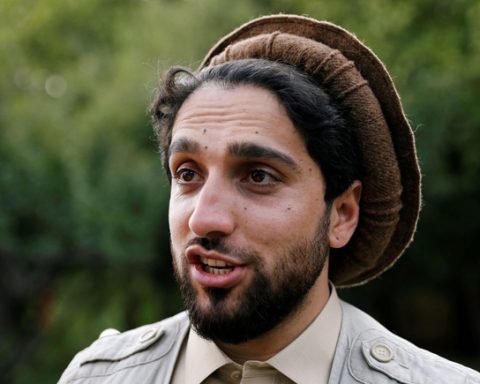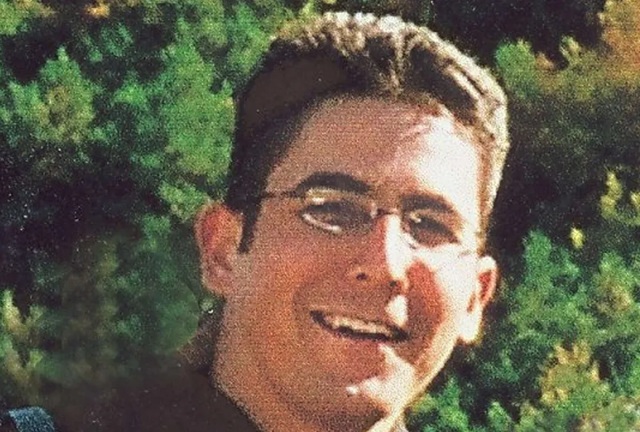
Daniel Andreas San Diego, one of America’s most wanted terrorists, has been arrested in Wales after spending 21 years evading authorities, The Times UK reports. The IT expert, linked to bombings in California in 2003, was finally identified by distinctive tattoos that left little doubt about his identity.
San Diego had been described by the FBI as “armed and dangerous” and placed on its most wanted list with a reward of $250,000 (£198,000) for information leading to his arrest. His name was listed alongside high-profile terrorists such as Osama bin Laden.
The court heard that San Diego lived under the alias “Danny Webb” in a secluded villa in north Wales, approximately 5,000 miles from California. He was arrested in November last year in a picturesque home near Maenan, overlooking the River Conwy, where he had been residing since 2023 after purchasing the property for £425,000.
Despite his efforts to conceal his identity, the FBI confirmed his involvement after being sent photographs of his tattoos, including burning hillsides on his chest inscribed with the words “It only takes a spark,” and collapsing buildings etched on his abdomen and back.
San Diego, born in Berkeley, California, is accused of placing two bombs at the Chiron Life Science Center in Emeryville near San Francisco in August 2003. The attacks, believed to target emergency responders, were followed by a nail bomb explosion at a nutritional products firm in Pleasanton a month later.
The attacks were claimed by the “Revolutionary Cells — Animal Liberation Brigade,” associated with the UK-based Stop Huntingdon Animal Cruelty (Shac) campaign. These groups demanded that companies sever ties with Huntingdon Life Sciences, Europe’s largest animal testing laboratory.
His extradition case, being heard at Westminster magistrates’ court, is now considered a landmark trial. It will test whether allegations of political interference in the US justice system — including claims involving President Trump — make it unsafe to extradite suspects. Defence counsel Mark Summers KC presented expert reports detailing the “political capture” of the US judiciary, Department of Justice, and prison services.
Among the witnesses is David Patton, a lawyer for another high-profile case involving illegal immigrant Kilmar Abrego Garcia, highlighting broader concerns about US immigration enforcement and judicial impartiality.
For over a decade, San Diego was a ghost. His movements were tracked across multiple countries, including Germany, Spain, France, Italy, Costa Rica, and Bolivia. FBI behavioural analysts noted that he likely avoided animal products, used prepaid phones, and frequently changed email addresses.
His fugitive lifestyle was marked by paranoia and secrecy, traits consistent with his expertise in IT and Linux programming. His last known activities before capture involved working as a computer network specialist in northern England and Wales.
If convicted, San Diego faces a minimum sentence of 35 years without parole and could receive up to 90 years in prison if found guilty of terrorism-related offences.
This case not only underscores the challenges of tracking long-term fugitives but also raises significant questions about political influence over judicial processes, the handling of international extradition, and the risks associated with domestic extremism.