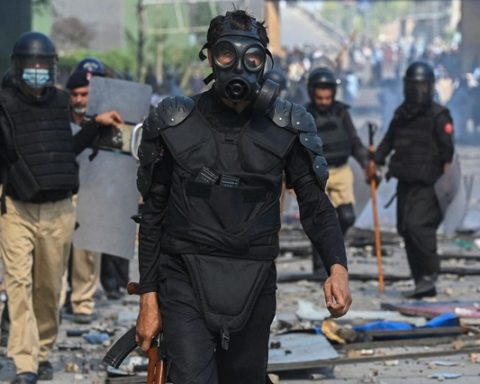
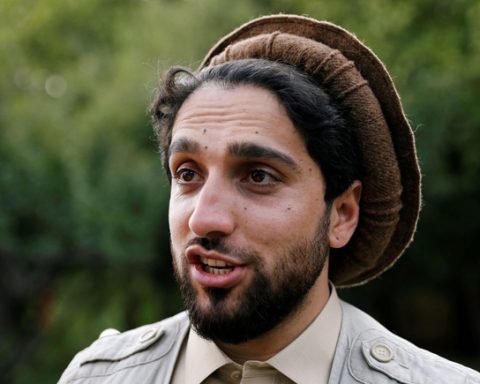
The leader of Tehrik-i-Taliban Pakistan (TTP), Noor Wali Mehsud, made a shocking declaration that has sent ripples of concern across the Muslim world. He asserted that it is permissible for Muslims to seek assistance from non-Muslims (Hindus) in fighting against the Pakistani state (Formed on the name of Islam). This statement is not only a misinterpretation of Islamic principles but also a dangerous invitation to division, hatred, and violence within the Muslim community. Such a position undermines the very essence of Islamic teachings on brotherhood, justice, and unity.
Core Islamic Teaching
Islam is fundamentally a religion that emphasizes the unity of the Ummah (Muslim community). The Holy Qur’an repeatedly reminds believers that Muslims are brothers and sisters in faith, bound together by a sacred trust of mutual respect and protection. The Prophet Muhammad (peace be upon him) instructed Muslims to uphold justice and peace among themselves and warned strongly against betrayal and division.
Noor Wali’s claim, therefore, that Muslims may collaborate with non-Muslims against fellow Muslims blatantly contradicts the Qur’anic injunction:
“The believers are but brothers, so make settlement between your brothers. And fear Allah that you may receive mercy” (Qur’an 49:10).
The misuse of Islamic teachings to justify violence against other Muslims and to invite external enemies to intervene breaks this divine command and promotes a culture of mistrust and enmity within the Muslim world.
Legacy of the Khawarij
The ideology Noor Wali espouses echoes that of the infamous Khawarij, an extremist group from early Islamic history known for declaring other Muslims as apostates and justifying violence against them. The Khawarij movement led to tremendous bloodshed, including the assassination of revered Caliphs like Usman (RA) and Ali (RA), which left deep scars on the Muslim Ummah.
Noor Wali’s approach mirrors this dangerous sectarianism by labeling the Pakistani state and its institutions as non-Islamic, thereby legitimizing attacks against them and inviting help from their adversaries. This form of extremism is unequivocally rejected by mainstream Islamic scholarship worldwide. Respected scholars affirm that such declarations of takfir (excommunication) without clear evidence and authority are not only un-Islamic but also destructive to the social fabric of Muslim societies.
Manipulation and Political Agendas
Further compounding this issue is the reality that Noor Wali’s faction receives backing from foreign intelligence agencies seeking to destabilize Pakistan. Evidence shows that countries like India support terrorist groups operating from Afghan soil, including the TTP, to foment unrest and weaken the Muslim-majority state. Noor Wali’s open admission of accepting help from non-Muslim countries, particularly those opposed to Muslim interests such as India and Israel, exposes his group as a proxy in geopolitical games rather than genuine defenders of Islam.
Pakistan’s stance that terrorism is fueled by foreign proxies gains further credence from Noor Wali’s statements. His group’s alignment with Israel and India—a pairing that stands in opposition to the Palestinian cause and broader Muslim solidarity—reveals a betrayal of the Muslim Ummah’s collective struggle for justice.
Islamic Scholars Response
Prominent Islamic scholars have unanimously condemned Noor Wali’s stance. These scholars clarify that treaties or alliances with non-Muslims are permissible only to protect Muslim lives and should never be used as a pretext to wage war on fellow Muslims. Cooperation with enemies against one’s own people is a blatant violation of Shariah and undermines the sacred authority of legitimate Islamic leadership.
Commander Saeedullah Saeed of the Islamic Army of the Greater region criticized those who fight against the Amir-ul-Momineen (Commander of the Faithful) and emphasized that such actions are a betrayal of Islamic unity and governance. He reaffirmed that those who wage war within Muslim lands at the behest of foreign powers are rebels, not true mujahideen.
The Consequences of Misusing Islam
Noor Wali’s distortion of Islamic teachings fuels sectarian hatred, weakens Muslim unity, and destroys social harmony. His Khawarij-style extremism spreads a poisonous ideology that legitimizes intra-Muslim violence and cooperation with enemies, jeopardizing the future of the Muslim community. Moreover, such misinterpretations harm Islam’s global image, contributing to the rise of Islamophobia by falsely linking terrorism with Islamic faith.
True Islam advocates mercy, justice, and brotherhood—values that Noor Wali and his group betray through their violent actions and deceitful rhetoric. It is the collective responsibility of Muslims worldwide to expose these extremist narratives and stand united against the forces that seek to divide them.
The Qur’anic Warning Against Killing Fellow Believers
The Qur’an is explicit in its condemnation of unjust violence against Muslims.
“Whoever kills a believer intentionally, his recompense is Hell, wherein he will abide forever” (Qur’an 4:93).
Noor Wali’s group, by attacking the Pakistani state and Muslims who uphold its institutions, defies this divine warning and partakes in the very rebellion that historically led to the martyrdom of righteous companions of the Prophet.
Conclusion
Noor Wali Mehsud’s statements and ideology represent a profound betrayal of Islam’s teachings. By encouraging alliances with non-Muslims against fellow Muslims, he fractures the essential unity of the Ummah, endorses sectarian violence, and becomes a tool for foreign powers seeking to destabilize Muslim societies. His ideology echoes the dangerous Khawarij sect, long repudiated by Islamic scholarship. The Muslim community must reject such extremism decisively. Upholding the true spirit of Islam means promoting peace, justice, mercy, and unity among all believers. Only through steadfast adherence to authentic Islamic principles and solidarity can the Ummah overcome these threats and protect its integrity for generations to come.